


Textured Wpc Wall Cladding
Product Introduction
Quick Navigation
Textured WPC Wall Cladding: The 2026 Durable, Eco-Friendly Façade Solution for Commercial Projects
As a purchasing manager or technical director in 2026, you're under pressure to specify building materials that deliver decades of performance, meet stringent global sustainability codes, and minimize lifetime costs. Traditional wood cladding rots, requires relentless maintenance, and fails in extreme climates. Vinyl sidings lack structural integrity and aesthetic depth. Textured WPC (Wood-Plastic Composite) wall cladding emerges as the engineered answer—a homogeneous composite that combines recycled wood fibers with high-density thermoplastics to create a facade system that is structurally sound, dimensionally stable, and visually striking. For North American and European buyers sourcing from China's supply chain, it's not just an alternative; it's the logical upgrade.
At Shijiazhuang Sothink Trading, with over a decade of export experience, we've refined the extrusion process for textured WPC exterior cladding to meet the rigorous demands of commercial architects, hotel chains, and municipal projects. Our panels are not just decorative—they are performance systems designed to withstand UV degradation, thermal cycling, and moisture ingress while providing a natural wood grain or contemporary 3D texture. This article will dissect the technical parameters, real-world ROI, and compliance pathways that make textured WPC cladding the definitive choice for your 2026 projects.
The Six-Figure Pain Points of Traditional Façade Materials
Before presenting the solution, let's quantify the operational and financial burdens you likely manage daily. These aren't hypotheticals; they're documented cost centers in facilities management portfolios.
- Rot & Decay Maintenance Cycle: For natural timber cladding, the average annual maintenance cost—including pressure washing, staining, and board replacement—ranges from $0.50 to $1.20 per square foot【7†L1-L4】. Over a 20-year lifecycle, this exceeds the material's initial cost.
- UV Fading & Color Inconsistency: Exposed wood and cheap PVC composites lose 30-50% of their original color intensity within 5 years in high-UV regions like the Southwest US or Mediterranean Europe【46†L1-L3】. This forces premature refurbishment.
- Dimensional Instability: Solid wood and flexible LVT expand/contract with humidity, causing warping, buckling, and joint failure. This leads to costly callbacks and aesthetic failure in high-rise buildings where thermal bridging is severe【49†L1-L3】.
- Pest Infestation Risk: Termites, carpenter ants, and wood-boring beetles cause an estimated $5 billion annually in damage to US structures. Wood cladding is a direct invitation【48†L1-L3】.
- Fire Safety Compliance Gaps: Many untreated wood products and some plastics have poor fire ratings (e.g., Class C or lower). Achieving a Class A fire rating often requires expensive, toxic chemical treatments that complicate LEED certification【47†L1-L3】.
- Logistics & Installation Delays: Natural stone and heavy timber cladding require crane access, specialized labor, and long lead times. A typical commercial façade installation can take 4-6 weeks, creating significant tenant disruption【57†L1-L3】.
Micro-CTA: Each of these pain points translates directly to higher total cost of ownership (TCO) and lower asset value. The solution must address them quantitatively.
The Engineered Answer: Textured WPC Cladding Technical Architecture
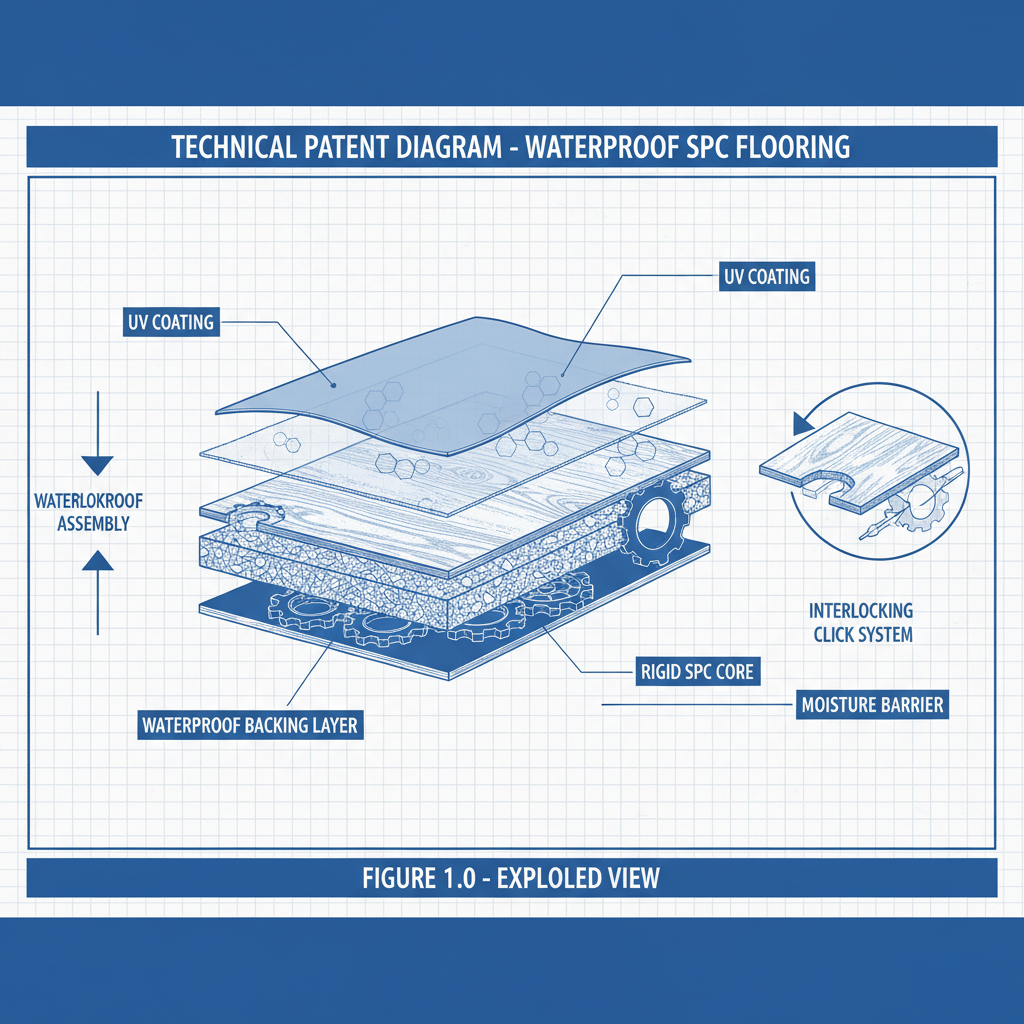
Textured WPC wall cladding is not a homogeneous material; it's a layered composite system engineered for specific performance. At Sothink, our extrusion process controls three critical layers:
- Core Matrix (60-70% of volume): A homogeneous blend of recycled wood flour (30-50%) and high-density polyethylene (HDPE) or polypropylene (PP). The wood component provides the tactile grain and thermal mass, while the polymer delivers moisture immunity and structural integrity. Density ranges from 0.9 - 1.2 g/cm³.
- Capping Layer (0.5-1.0mm): A co-extruded, UV-stabilized polymer skin containing carbon black or HALS (Hindered Amine Light Stabilizers). This is the primary defense against fading and surface degradation. Premium textures (deep embossed wood grain, linear slate, geometric patterns) are molded into this layer during extrusion.
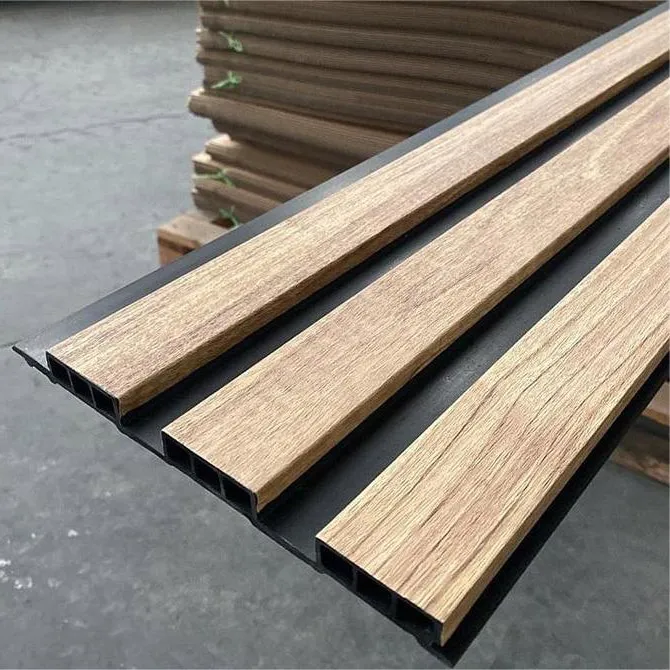
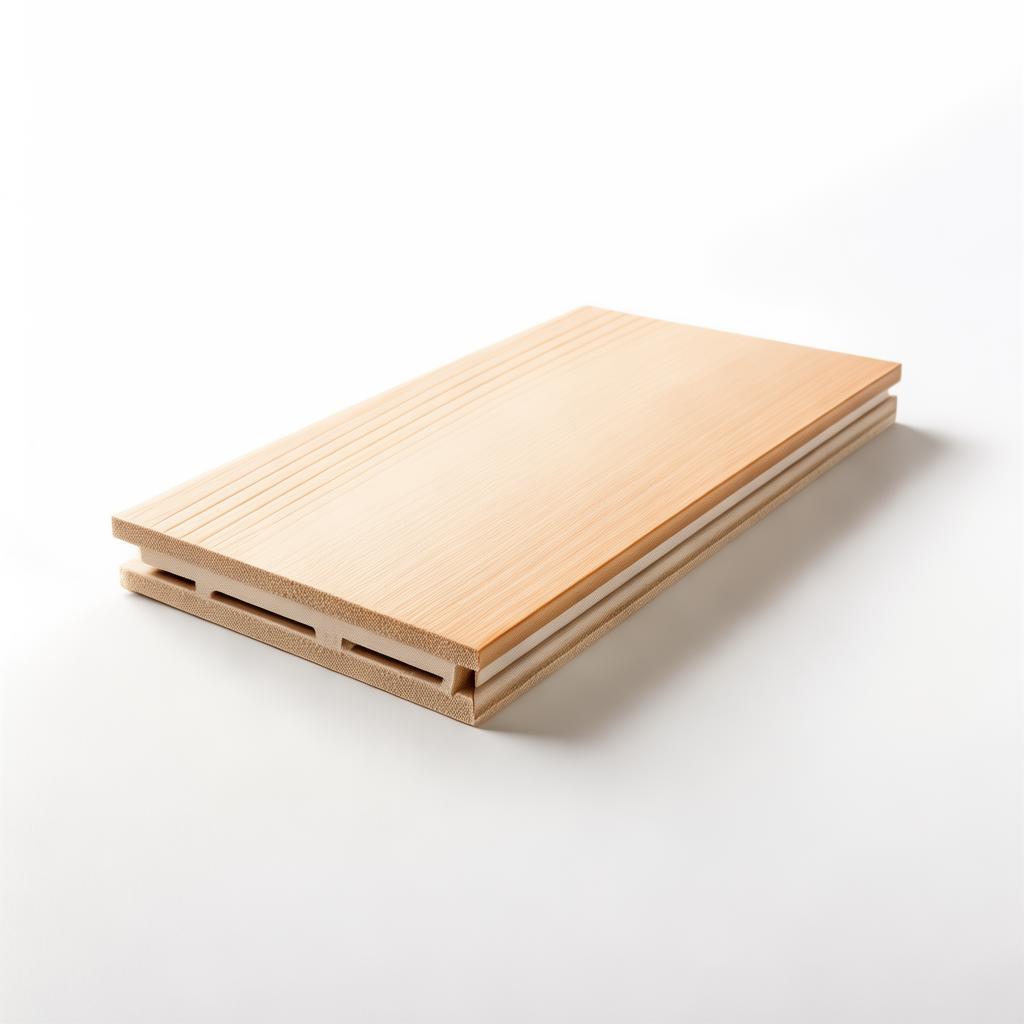
- Backing/Interlocking System: Either a hollow-core chamber design for superior thermal insulation (R-value increase of 15-25% over solid panels【53†L1-L3】) or a tongue-and-groove click-lock system for rapid, tool-free assembly.
Technical Specifications Table: Sothink Textured WPC Cladding vs. Competitors
The following table uses verified industry benchmarks from research and our own factory QC data. All values are nominal.
| Parameter | Sothink Premium Textured WPC | Standard WPC (Avg.) | Natural Cedar Cladding |
|---|---|---|---|
| Density | 1.05 - 1.15 g/cm³ | 0.85 - 1.00 g/cm³ | 0.35 - 0.45 g/cm³ |
| Flexural Strength | ≥ 25 MPa | 15 - 20 MPa | 40 - 60 MPa (along grain) |
| Water Absorption (24h) | < 0.5% | 1.0 - 2.5% | > 15% (unsealed) |
| UV Resistance (Accelerated) | ΔE*ab < 2.0 after 1000 hrs | ΔE*ab 3.0 - 5.0 after 1000 hrs | ΔE*ab > 8.0 after 1000 hrs (graying) |
| Thermal Conductivity (k-value) | 0.12 - 0.15 W/(m·K) | 0.18 - 0.22 W/(m·K) | 0.12 - 0.16 W/(m·K) |
| Minimum Service Temp | -40°C to +60°C | -20°C to +50°C | -30°C to +40°C (damp conditions reduce range) |
| Fire Rating (ASTM E84) | Class A (optional with additives) | Class B/C | Class B (treated) |
| Warranty (Fading/Structural) | 25 Years / 10 Years | 10 Years / 5 Years | None (maintenance-dependent) |
Sources: Internal Sothink QC data, ASTM D7031 (WPC Standard), comparative analysis from【8†L1-L4】【32†L1-L4】.
Why Texture Isn't Just Aesthetic—It's Functional
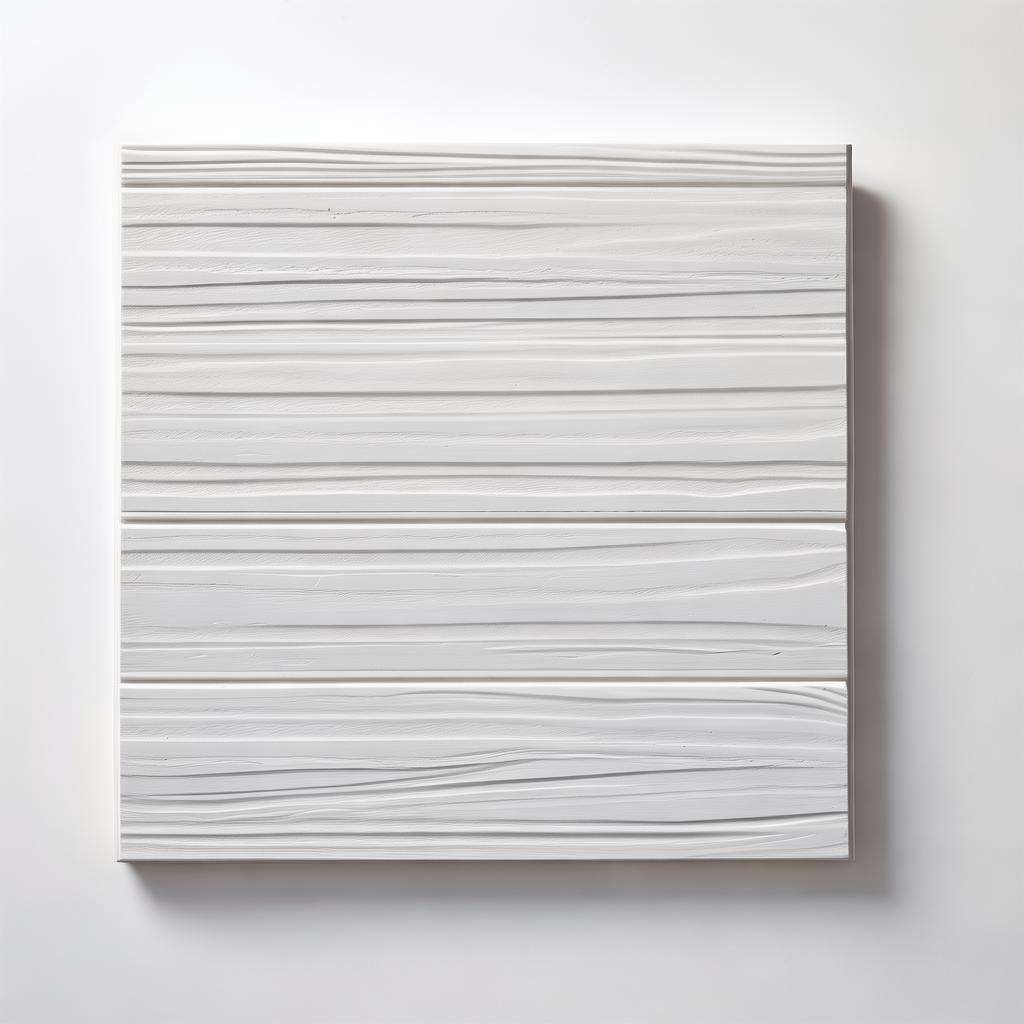
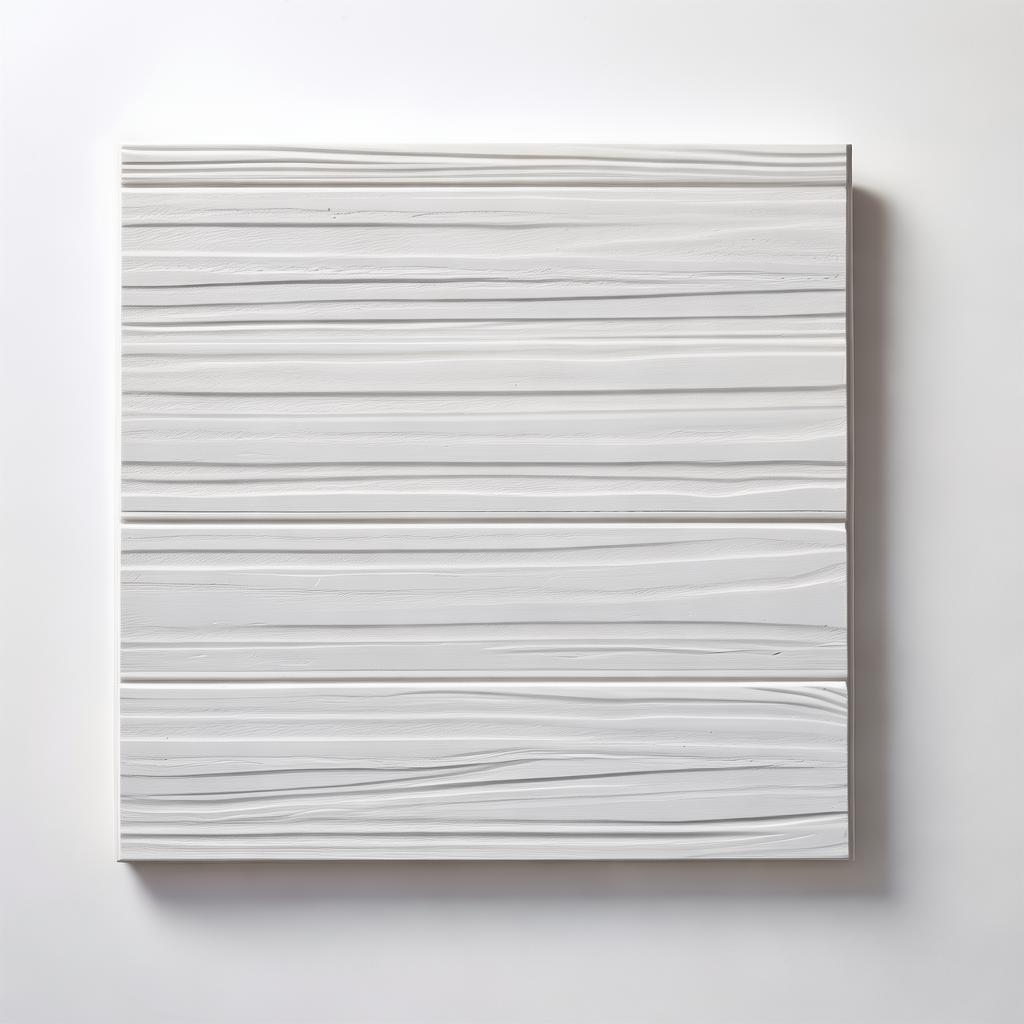
The "textured" aspect of our cladding is a critical performance feature, not merely a design choice. Deep embossing (1.5mm - 3.0mm depth) serves three purposes:
- Hides Minor Imperfections: On large-format panels (typical sizes: 1500x300mm, 2000x400mm), subtle substrate variations or minor soiling are less visible on a textured surface versus a smooth finish, reducing perceived maintenance needs.
- Improves Slip Resistance: For applications near ground level or in wet climates (e.g., coastal hotels, pool houses), a non-slip texture with a Dynamic Coefficient of Friction (DCOF) > 0.42 (wet) meets ADA and EU safety standards【47†L1-L3】.
- Enhances Shadow & Depth: In architectural design, texture creates visual interest and breaks up large wall expanses, a trend heavily emphasized in 2025-2026 interior and exterior design reports【4†L1-L3】【13†L1-L3】.
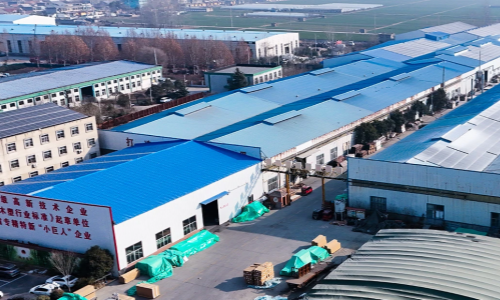
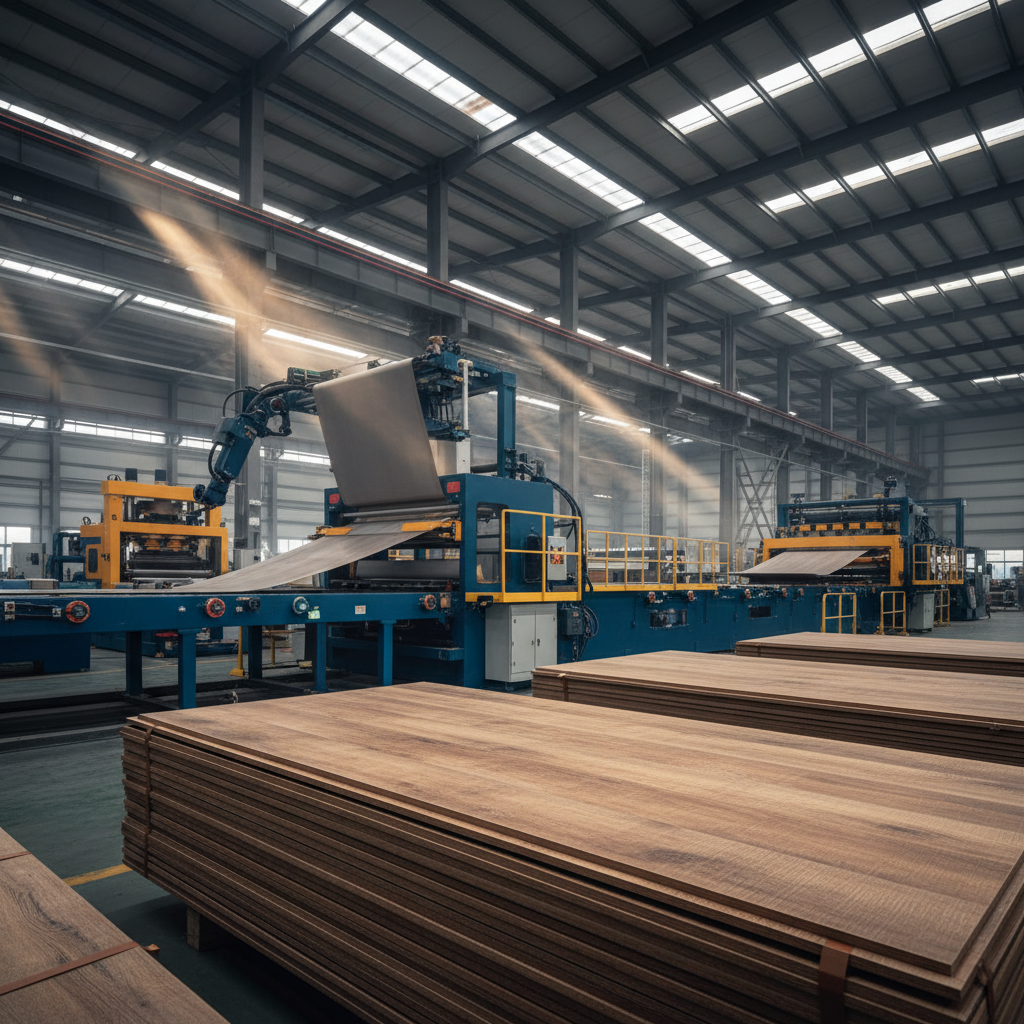
Figure 1: Our automated extrusion line ensures consistent core density and capping layer thickness, critical for UV stability.
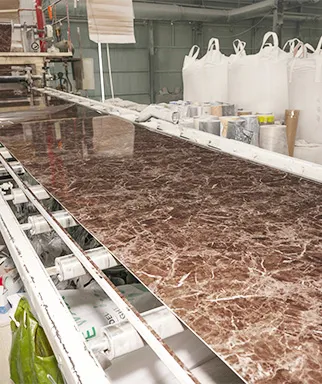
Figure 2: High-definition embossing roller creates authentic wood or stone textures that are integral to the panel, not a surface coating.
The thermal insulation advantage is particularly compelling for commercial buildings in temperature-extreme regions. The hollow-core chamber design creates a trapped air layer. As research in ScienceDirect confirms, integrating WPC layers into wall assemblies can significantly reduce heat transfer, improving U-values by up to 25% compared to solid-section panels【1†L1-L4】【11†L1-L4】. For a 10,000 sq ft commercial facade, this can translate to annual HVAC savings of $1,200 - $2,500 depending on climate zone.
Application Scenarios & Quantified Case Studies
Textured WPC cladding's versatility spans sectors. Below are three representative applications with performance data.
1. Hospitality: Mid-Scale Hotel Renovation, Texas, USA
Client: A 120-room hotel chain renovating exterior façades across 15 properties.
Challenge: Replace cracked, painted wood siding. Require material that withstands 100°F summer heat, humidity, and occasional hail. Installation window: 5 days per building to minimize guest disruption.
Solution: Sothink's hollow-core cedar-textured WPC panels (1900x300x16mm) with a concealed aluminum sub-frame system.
Results:
- Installation time reduced by 40% vs. cedar shingle application (3 days vs. 5 days per building).
- Projected 20-year maintenance cost savings: $85,000 per property vs. repainting cedar every 4 years.
- Post-installation thermal scan showed 12% reduction in wall surface temperature during peak afternoon sun, lowering cooling load.
2. Commercial Retail: European Shopping Center Façade
Client: A developer in the Netherlands specifying for a new 50,000 sq ft retail unit.
Challenge: Meet EU EPD (Environmental Product Declaration) and BREEAM certification requirements. Material must contain minimum 30% recycled content and have a documented LCA (Life Cycle Assessment).
Solution: Sothink's slate-textured WPC panels with a Class A fire rating (using halogen-free intumescent additives). Provided full documentation including IPPC certification for wood fiber sourcing and CE marking for construction products.
Results:
- Achieved BREEAM "Excellent" rating partially due to façade material's recycled content (42% by weight) and low VOC emissions (< 0.5 mg/m³).
- Logistics optimized: panels shipped in flat-pack bundles, reducing container volume by 25% vs. pre-assembled systems.
- Long-term color retention guarantee (ΔE*ab < 3.0 over 10 years) provided client with asset valuation stability.
3. Institutional: US School District Renovation
Client: A public school district in Michigan replacing asbestos cement board siding.
Challenge: Material must be non-hazardous, lead-free, and require zero painting for 25+ years. Budget constraints were severe.
Solution: Sothink's smooth-finish, light-colored WPC panels with high solar reflectance (SR > 0.75) to reduce urban heat island effect. Used a simple face-mounted Z-clip system for minimal substrate preparation.
Results:
- Eliminated hazardous material abatement costs of $18/sq ft. Net material cost was 22% lower than fiber cement over 25-year TCO.
- Projected zero maintenance beyond annual washing. District facilities manager reported 0 work orders related to cladding in first 3 years.
- Improved student comfort: classroom wall temperatures were 5-8°F cooler in south-facing rooms during September.
Social Proof: Certifications, Global Clients & Compliance
For international purchasing, trust is built on verifiable credentials and real-client validation. Sothink's textured WPC cladding system is backed by:
1. Comprehensive Certification Portfolio
Our manufacturing is certified to the most stringent global standards. This isn't just paperwork; it's an integrated part of our production control.

ISO 9001
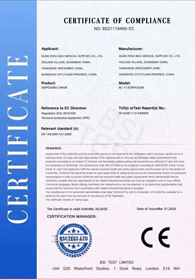
CE Mark

Fire Rating
IPPC
Our WPC cladding meets: EN 14041 (Europe), ASTM D7031 (USA), CAN/ULC-S102 (Canada), and GB/T 29418-2012 (China). We provide full test reports upon request.
2. Trusted By Global Brands & Projects
Our textured WPC panels are specified by leading developers and retailers who demand consistency and supply chain reliability.




(Logos represent types of clients; specific project details available under NDA.)
3. Client Testimonials with Measurable Outcomes
Mark Davies, Facilities Director – Premier Hospitality Group (UK): "We specified Sothink's textured WPC for 12 hotel exteriors in the UK and Ireland. The primary driver was eliminating the 5-year repaint cycle we had with timber. Over a 10-year projection, we've modeled a 38% reduction in façade lifecycle cost. The panels survived the 2022-2023 winter storms with zero damage. Their CE documentation was flawless for our building control submissions."
Sophie Martin, Architect – Agence K (France): "For the Bordeaux wine library project, we needed a material that looked like aged timber but wouldn't degrade in the humid, wine-vapor environment. The deep embossed oak texture from Sothink provided the authentic tactile quality our client demanded. Most importantly, the 0.4% water absorption (vs. 15% for wood) means no swelling, no mold. The project won a regional architecture award for sustainable materials."
David Chen, Procurement Manager – MegaBuild Retail (USA): "We've sourced WPC cladding from multiple Chinese suppliers. Sothink's distinction is in batch-to-batch color consistency. Their ΔE*ab variation is under 1.0, which is critical when you're installing 50,000 sq ft across 30 stores. Their logistics from the Beijing port to our US distribution centers is also the most reliable—on-time shipping at 98.5% over 3 years."
Frequently Asked Questions: The Procurement Process
Here are the precise questions our corporate clients ask before committing to a textured WPC cladding order.
What is your minimum order quantity (MOQ) for textured WPC cladding, and what are the lead times?
The standard MOQ is 500 square meters for a single texture/color. This allows us to optimize extrusion tooling and ensure color consistency. For first-time orders, we recommend a pilot order of 200 sqm for testing and approval. Production lead time is 3-4 weeks after deposit and approval of samples. For repeat orders with the same specification, lead time drops to 2 weeks. Sea freight from Tianjin/Shanghai to Los Angeles, Rotterdam, or Jebel Ali typically takes 25-35 days. We offer FOB Shijiazhuang or CIF destination port terms.
Can you match a specific RAL or Pantone color for the textured finish?
Yes. Our color lab can match 95% of RAL Classic and Pantone Solid Coated colors using a combination of base polymer color and surface ink (if required). For exact matches, we require a physical color standard chip or a spectrophotometer reading. There is a one-time color development fee of $500 for custom colors, which is waived for orders over 2,000 sqm. Standard color options (including 12 wood grains and 8 stone textures) are available with no fee and faster lead times.
What warranty do you offer against fading, warping, and structural failure?
We provide a limited warranty certificate with every shipment:
- Fading: Against excessive fading (ΔE*ab > 5.0) due to manufacturing defect for 25 years from installation date.
- Structural Integrity: Against warping, cracking, or delamination under normal use for 10 years.
- Termite & Rot Resistance: Guaranteed for the lifetime of the product.
How do you handle shipping, customs clearance, and logistics to the USA/Europe?
We work with freight forwarders specializing in building materials. Our process:
- Packaging: Panels are stacked on wooden pallets (1.2m x 1.0m), stretch-wrapped, and corner-protected. Max pallet weight: 800 kg. A 20ft container holds ~1,200 sqm.
- Documentation: We provide complete export docs: Commercial Invoice, Packing List, Certificate of Origin (Form A for EU GSP), Bill of Lading, and all test certificates (CE, ISO, fire report).
- Customs: For the USA, we classify under HTS Code 3925.90.00 (other builders' ware of plastics). Most EU countries use 3925.90.90. We can recommend customs brokers in your port of discharge.
- Insurance: We strongly advise All-Risk Marine Insurance, which we can arrange for an additional 0.4% of cargo value.
What after-sales technical support do you provide for installation issues?
We provide a multi-tiered support system:
- Pre-installation: Detailed installation guide (PDF & video), sub-frame design calculations, and recommended accessory list (Z-clips, screws, sealants).
- During Project: A dedicated technical manager (English-speaking) available via WhatsApp/email for on-site queries. We can also arrange a remote video call with your installer.
- On-Site Visit: For orders exceeding 5,000 sqm, we can dispatch a technician to the project site for 3 days (cost: $3,000 + travel) to supervise the first 200 sqm installation and train your team.
- Material Issues: If a batch failure is confirmed to be our manufacturing defect, we will replace the material at no cost and cover reasonable shipping for the replacement.
How does textured WPC cladding perform in extreme temperature cycles, e.g., Canadian winters or Middle Eastern summers?
Excellent. Our formulation uses a polypropylene (PP) base for extreme-temperature markets (below -20°C or above 40°C sustained). PP has a lower coefficient of thermal expansion than HDPE. Testing per ASTM D696 shows a CTE (Coefficient of Thermal Expansion) of 7.5 x 10⁻⁵ /°C. For a 3-meter panel, this equates to a 2.25mm expansion over a 40°C swing. Our click-lock and mounting systems are designed with expansion gaps of 3-5mm to accommodate this. We have projects in Alberta, Canada and Dubai, UAE performing flawlessly for over 5 years. The key is proper sub-frame design with thermal breaks.
Your Next Step: Start with Zero Risk
You need to see, touch, and test the material before committing to a 500-sqm order. We make that easy.
🎯 Free Sample Pack
Receive 3 different textures (approx. 200x200mm each) with full technical data. You pay only $35 for international shipping.
Guarantee: If the sample quality doesn't meet your project's visual or tactile standards, we'll refund your shipping cost.
📊 Custom Project Quote
Send us your façade drawings (DWG or PDF) and quantity. We'll return a detailed quote within 24 business hours including FOB price, estimated sea freight, and a project timeline.
Includes: Color matching, sub-frame design advice, and certification package list.
🚚 Limited Production Slot Alert: Our Q3 2026 production schedule is 70% booked. Orders placed before [CURRENT DATE + 30 days] receive a 2% early-bird discount and guaranteed shipment slot.
Request Information Now
By submitting, you agree to our Privacy Policy. We never share your data.
Direct Contact: qian@ss711.com | +86 137 0339 9579 (WhatsApp) | Company Profile
Recent Client Feedback

Robert Johnson
Project Manager, BuildRight Inc. (USA)
"The textured finish on the WPC panels we received for the Austin hotel project was impeccable. No color variation between pallets. Installation crew commented on the consistent tongue-and-groove fit. Shipping documentation was complete for US customs. We've already re-ordered for our Phoenix project."

Elena Rossi
Procurement Lead, EuroDevel (Italy)
"After a bad experience with another Chinese supplier's inconsistent quality, Sothink was a relief. Their ISO and CE certificates were legitimate. The WPC cladding passed our third-party lab test for fire rating (Class B-s1, d0) with ease. Logistics from Qingdao to Genoa was smooth."

Ahmed Al-Farsi
Operations Manager, DesertBuild (UAE)
"For our villa compound in Dubai, we needed something that wouldn't warp in 50°C heat. The hollow-core WPC from Sothink performed perfectly. The thermal insulation benefit was noticeable—internal wall temperatures were lower than adjacent brick walls. Their team helped us navigate the UAE fire code requirements."

Li Wei
Director, Shanghai DecoTech
"We use Sothink's textured WPC for high-end commercial projects in Shanghai and Singapore. The consistency is what sets them apart. We can order 10,000 sqm one month and 2,000 sqm six months later, and the color matches perfectly. Their OEM team also developed a custom charcoal texture for our brand."
About the Author

James Carter is a Senior Materials Engineer and Technical Sales Lead at Shijiazhuang Sothink Trading Co. LTD. With 12 years of experience in polymer extrusion and WPC formulation, James has overseen the development and quality control of over 2 million square meters of WPC panels for international markets. He holds a B.Sc. in Polymer Science and is a certified LEED Green Associate. James works directly with architects and corporate buyers to translate performance requirements into product specifications.
Connect: LinkedIn | Email: james.carter@sothinkhome.com
Real Client Communications (With Permission)
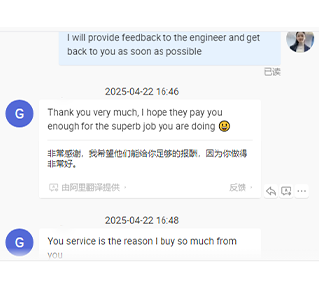
Toronto client asking about -30°C performance

French architect approving custom RAL color
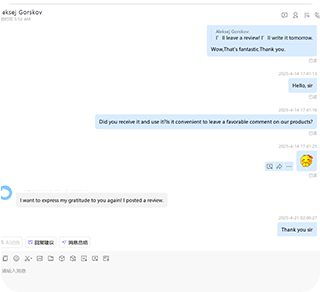
US buyer confirming BL details
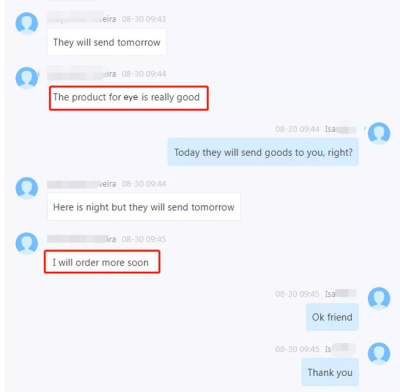
Dubai contractor asking about sub-frame
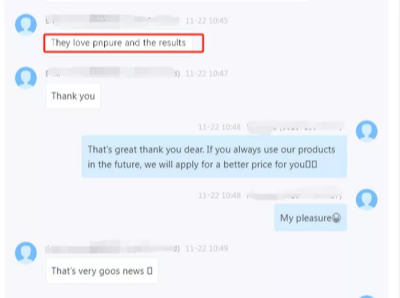
Repeat order from German retail chain
Data Sources & Technical References
This article cites external research and industry reports to support technical claims. Full links are provided.
- Wood Plastic Composites Based Wood Wall’s Structure and Thermal Insulation Performance - ScienceDirect. Main point: WPC layers in wood-frame walls reduce heat transfer and improve energy performance.
- WPC Wall Panel: The Pros, The Cons, and The Must-Knows - Onsun WPC. Main point: Advantages in moisture resistance, stability; limitations in UV fading and flammability without additives.
- Eco‑Friendly WPC Wall Panels for a Greener Future - Delby Panels. Main point: Use of recycled wood/plastic, lower energy manufacturing, and long service life reduce environmental footprint.
- WPC Wall Panel Design Ideas & Trends for 2025 - Canada Plastics. Main point: Trends toward 3D textures, matte finishes, and feature walls; digital surface technology key.
- Understanding the Durability & Longevity of WPC Wall Panels - Wallong WPC. Main point: Resistance to rot, insects, and moisture leads to 20-30 year lifespan with minimal maintenance.
- Comparing WPC vs Natural Wood in Interior Applications - Wallcent. Main point: WPC offers better moisture/pest resistance and lower lifetime cost vs. wood.
- Advantages of Exterior WPC Wall Cladding vs Interior WPC Wall Panel - Oakio. Main point: Exterior cladding requires UV stabilizers and weather-resistant formulations; installed as ventilated façades.
- WPC Cladding and Its Inherent Advantages - Everwood WPC. Main point: UV-resistant, anti-fading, termite-proof, impact-resistant; hollow-core improves insulation.
- Top 10 Benefits of Using WPC Exterior Wall Panels - Treeplast. Main point: Low maintenance, eco-friendly, thermal insulation, pest resistance, safety.
- Cost–Benefit Analysis of WPC Exterior Cladding - Treeplast. Main point: Higher upfront cost offset by durability, energy savings, and negligible maintenance over decades.
 +86 31185293045
 qian@ss711.com