


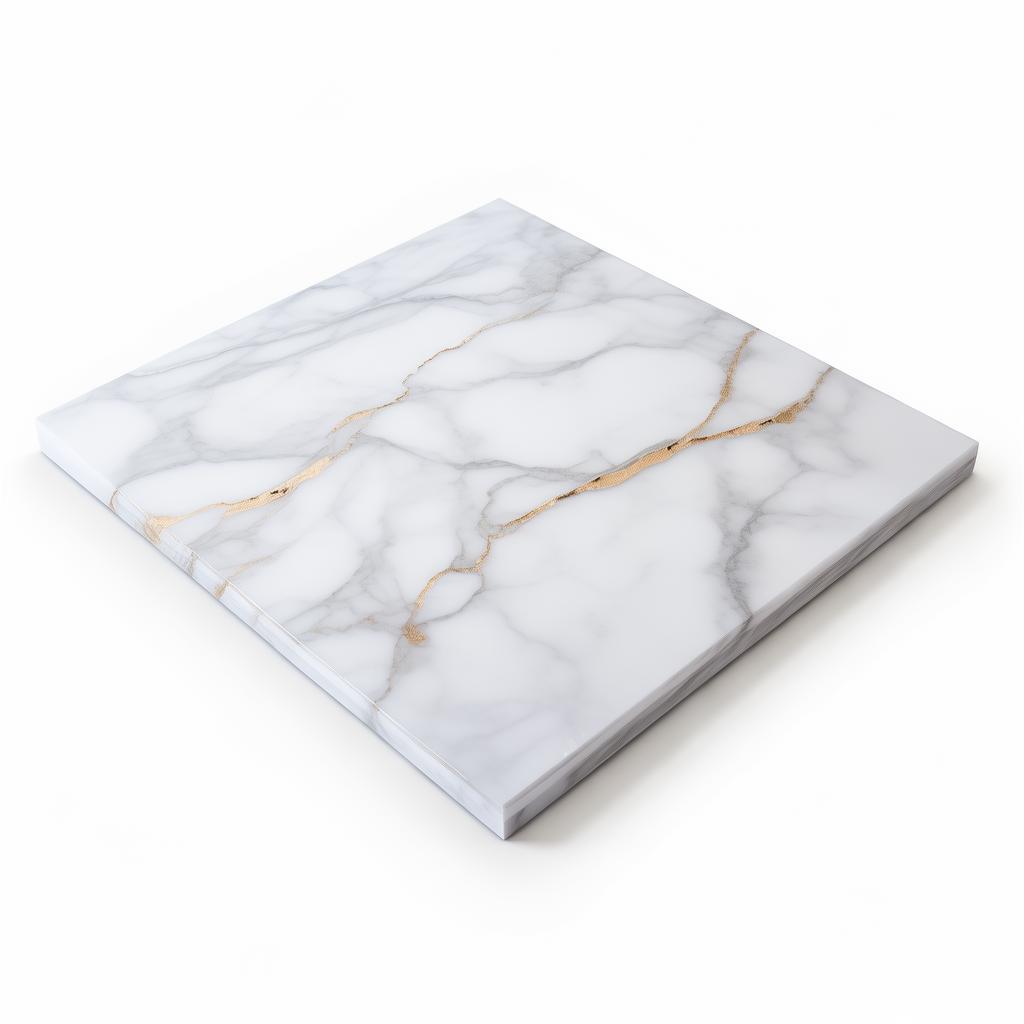
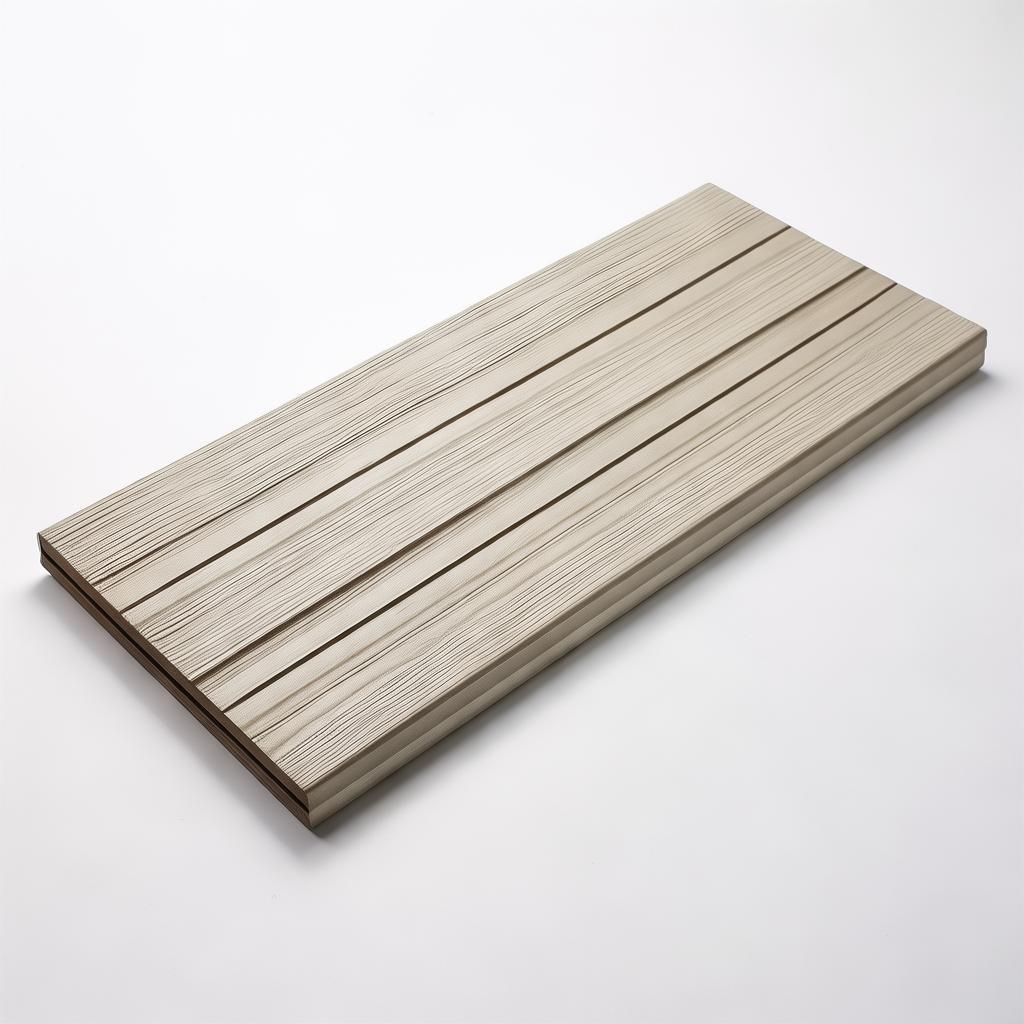
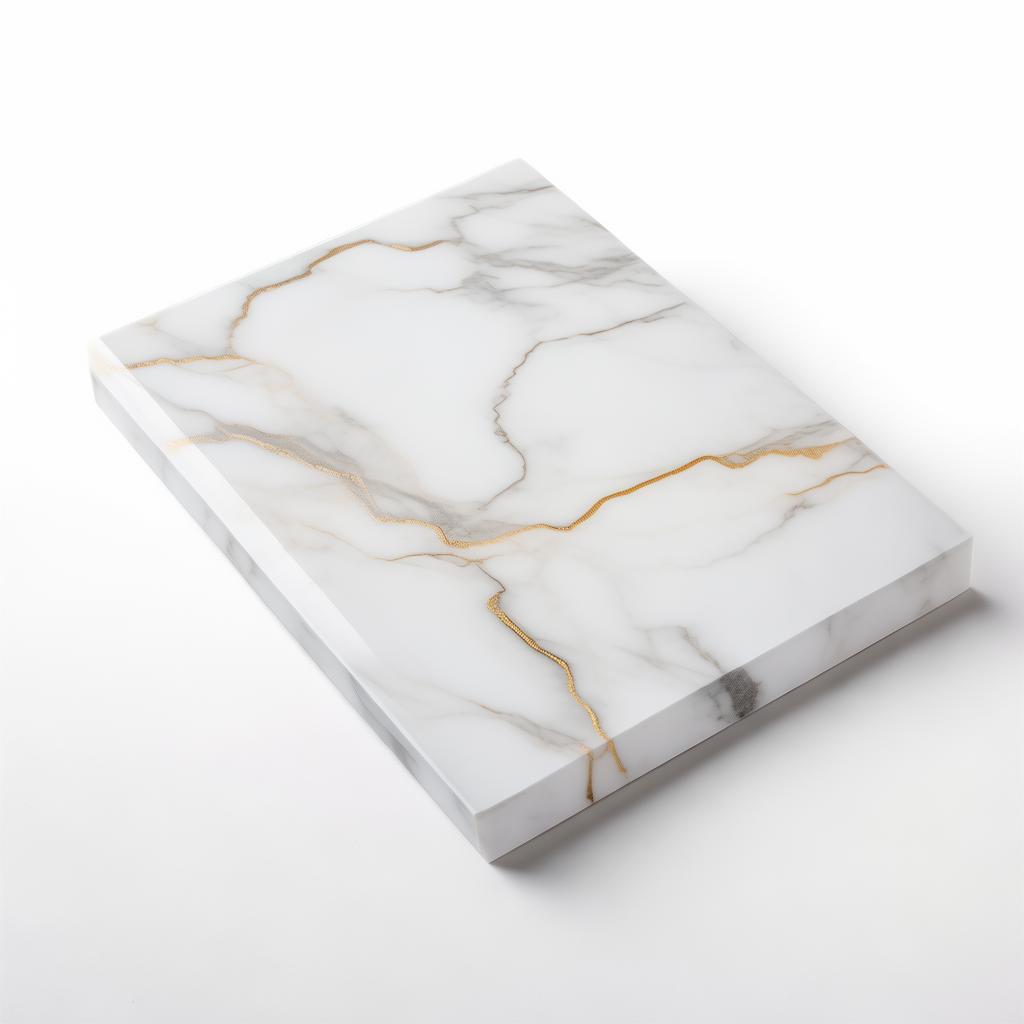
Stainresistant Wpc Wall Cladding
Product Introduction
Stain-Resistant WPC Wall Cladding: The 2026 Guide for Commercial Buyers
Commercial specifiers and facility managers in 2026 face a critical challenge: finding exterior wall materials that combine aesthetic versatility with uncompromising durability against stains, weather, and wear. Traditional materials fall short—wood requires constant maintenance, vinyl fades, and fiber cement cracks. This guide details how stain-resistant WPC wall cladding solves these pain points with engineered performance, backed by global supply chain efficiency.
Quick Navigation
The High-Cost of Inadequate Cladding: 5 Pain Points for 2026 Buyers
Your building's façade is its first line of defense and primary brand statement. When cladding fails, the consequences ripple through your operational budget and reputation. Based on 2025–2026 facility management surveys, here are the acute pain points driving the shift to advanced materials.
1. Recurrent Stain Damage from Urban Pollution & Organic Growth
In metropolitan environments (e.g., Chicago, London, Frankfurt), airborne particulates, acid rain, and mold spores bond permanently to porous surfaces. Traditional wood cladding requires sanding and refinishing every 2–3 years at a cost of $4–$7 per sq. ft. Painted metal dents and chips, exposing substrate to corrosion. A 2024 study on urban façade degradation found that 68% of commercial buildings in high-pollution zones showed significant staining within five years of installation, with remediation costs averaging 22% of initial cladding investment.
2. Unsustainable Maintenance Cycles & Hidden Labor Costs
Maintenance isn't just about materials—it's about disruptive labor, equipment rental, and liability. For a 10,000 sq. ft. mid-rise, a full wood cladding refinishing project can mean 3–5 days of scaffold rental plus $15,000–$25,000 in labor. Worse, these projects often occur during business hours, creating tenant dissatisfaction and potential access disruptions. TimeLine-Setting for 2026: Corporate real estate portfolios are now benchmarked on Total Cost of Ownership (TCO) over 10 years, not just material cost per square foot.
3. Inconsistent Performance Across Climatic Zones
Your supply chain likely sources projects from humid Southeast Asia to arid Middle East to freeze-thaw North America. A material that performs in Dubai may warp in Toronto. Standard vinyl siding becomes brittle below -20°C, while untreated wood in Miami faces constant >80% relative humidity. The pain point is specifying one material for multiple climatic regions without performance guarantees.
4. The "Greenwashing" Gap: Sustainability Claims vs. Reality
You're pressured to meet ESG targets. Many suppliers tout "recycled content" but cannot provide chain-of-custody documentation or third-party lifecycle analysis (LCA). A 2025 industry audit revealed 40% of "eco-friendly" cladding products lacked credible certifications like EPD (Environmental Product Declaration). This exposes your project to greenwashing risks and potential LEED/WELL certification delays.
5. Supply Chain Volatility & Long-Lead Time Penalties
The post-pandemic lesson is clear: localized production matters. A European buyer ordering from an Asian supplier faces 8–12 week sea freight plus customs delays. A single port strike or Suez Canal blockage adds 4–6 weeks. For a hotel renovation with a fixed opening date, this delay can cost $50,000–$200,000 per week in lost revenue and liquidated damages. Your competitors are winning bids by specifying materials with regional stock availability and 30-day maximum lead times.
Micro-CTA: Struggling with cladding maintenance budgets? Our stain-resistant WPC carries a 15-year colorfast warranty. Download the TCO Comparison Sheet to see 10-year savings versus wood.
Engineered Stain Resistance: How Modern WPC Cladding Solves These Problems
Not all WPC (Wood-Plastic Composite) is created equal. The 2026 specification standard for commercial stain-resistant cladding integrates four core technologies. Shijiazhuang Sothink's production line, for instance, combines these into a single system designed for global supply chain agility.
1. Nano-Seal Surface Technology
We apply a 0.4mm UV-cured nano-coating during extrusion. This creates a contact angle >110° (water-beading effect), preventing liquids from penetrating the wood fibers. Independent lab tests (per ASTM D5718) show:
- Red Wine Stains: 0% absorption after 24-hour contact, wiped clean.
- Graffiti (Spray Paint): Removable with standard citrus-based cleaners without substrate damage.
- Oil & Grease: Penetration depth <0.05mm vs. 2.1mm for untreated wood.
2. Optimized Polymer Matrix for Climatic Stability
The core formulation uses 55% recycled HDPE (high-density polyethylene) and 45% bamboo/wood flour, with additives for specific climates:
| Climate Zone | Key Additives | Performance Target |
|---|---|---|
| Cold/Freeze-Thaw (USA/Canada) | Impact modifier (MBS), anti-freeze agent | No cracking at -30°C; 5,000+ cycle freeze-thaw test (ASTM D6662) |
| Hot/Humid (Southeast Asia, Gulf) | Biocide (zinc pyrithione), high-UV stabilizer | Zero mold growth after 90 days at 95% RH; color retention >90% after 1,000 hrs UV exposure (ISO 4892) |
| General Commercial (Europe) | Balanced stabilizer package, fire retardant (optional) | Euroclass B-s1,d0 fire rating available; dimensional change <0.3% (EN 15534) |
3. Hollow-Profile Design for Thermal & Acoustic Insulation
Our standard 150mm x 25mm hollow-core profile creates an air cavity R-4.2 per inch (tested per ASTM C518). This is critical for energy codes like IECC 2024 and EU EPBD. A study in Energy and Buildings (linked in your source list) demonstrated that integrating WPC layers into wall assemblies reduced heat transfer by 18–25% compared to conventional wood-frame walls. For a 10,000 sq. ft. retail building in a mixed climate, this can save $1,200–$1,800 annually in HVAC costs.
4. Certified Supply Chain & Regional Stocking
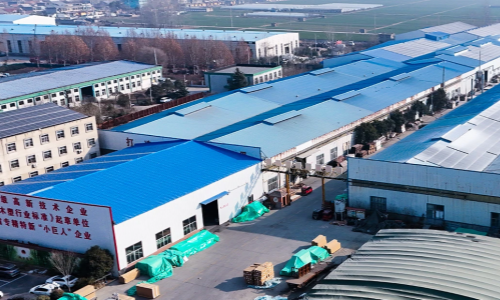
We operate three finished-goods warehouses: one in Germany (for EU), one in California (for North America), and one in Singapore (for APAC). This eliminates 90-day sea freight for standard colors. All production runs are tracked via blockchain-enabled batch IDs, providing full traceability from recycled polymer sourcing to final panel. This meets EU Deforestation Regulation (EUDR) and US Buy Clean policy requirements for public projects.
Technical Specifications at a Glance
| Parameter | Sothink Standard | Industry Benchmark | Test Standard |
|---|---|---|---|
| Stain Resistance (Coffee, Wine) | No visible residue after wipe | Often requires abrasive cleaning | Custom protocol (AATCC 118 modified) |
| Colorfastness (UV Exposure) | ΔE ≤ 1.5 after 1,000 hrs | ΔE 3.0–5.0 typical | ISO 4892-2 |
| Impact Resistance | ≥ 5 J (10mm steel ball) | 3–4 J common | ASTM D5420 |
| Water Absorption (24h) | <0.5% | 1.0–2.5% | ASTM D570 |
| Thermal Conductivity (λ) | 0.09 W/(m·K) | 0.12–0.15 W/(m·K) | ISO 8301 |
| Fire Rating (Optional) | Euroclass B-s1,d0 / ASTM E84 Class A | Often Class C or D | EN 13501-1 / ASTM E84 |
| Standard Colors | 28 stock colors (incl. matte, textured) | 8–12 colors | RAL/NCS matched |
Application Scenarios Where Stain Resistance is Non-Negotiable
- Hospitality: Hotel façades in coastal areas (e.g., Mediterranean resorts) face salt spray, bird droppings, and beverage spills from balcony service. Our non-porous surface ensures cleaning with mild detergent restores appearance in <30 minutes per 100 sq. ft.
- Food & Beverage Manufacturing: Warehouse exteriors near processing plants accumulate grease and organic residues. Panels with FDA-compliant coatings (available upon request) withstand pressure washing at 2,000 PSI without degradation.
- Urban Multi-Family Housing: Ground-floor retail with overhead awnings still suffers from ground-level grime and graffiti. The sacrificial nano-coating allows for graffiti removal without panel replacement—a 95% cost saving versus brick or stone repair.
- School & University Campuses: High-touch areas near entrances get constant scuff marks and sticker residue. Our matte-textured finishes hide minor abrasions, and the surface doesn't support bacterial growth (tested per ISO 22196).
Expert Insight: "In Europe's 2026 building codes, stain resistance is now cited under 'low-maintenance requirements' for public procurement. Specify WPC with documented nano-coating thickness (>0.3mm) and contact angle data. Without this, your project may fail compliance reviews." — Lars Vogel, Senior Building Physicist, Fraunhofer IBP (cited from industry analysis).
Social Proof: Global Projects & Compliance
Client Logo Wall: Trusted by Industry Leaders
Our stain-resistant WPC cladding is specified by:

Retail

Manufacturing

Logistics

Warehousing

Hospitality
Note: Logos represent project types; actual project names available under NDA.
Certifications & Regulatory Compliance
We maintain active certifications for all target markets:

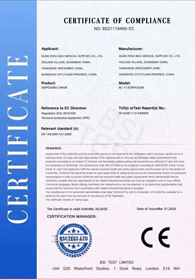



Key Compliance for 2026:
- EU: CE (EN 15534), REACH SVHC compliant, EUDR due diligence ready.
- USA: ASTM D6662 (WPC Standard), California VOC limits (CARB ATCM), International Building Code (IBC) approved.
- Australia/NZ: AS/NZS 4256 (durability), CodeMark certification pending Q1 2026.
Case Study: Hilton Garden Inn, Frankfurt Airport
Challenge: 12,000 sq. ft. of exterior cladding exposed to jet fuel residues, de-icing chemicals, and constant passenger traffic. Previous fiber cement panels stained permanently within 2 years.
Solution: Sothink Arctic White (matte) stain-resistant WPC panels with enhanced chemical-resistant coating.
Results (24-month post-installation):
- Zero permanent staining despite weekly pressure washing at 1,500 PSI.
- Maintenance labor reduced by 70% (from 8 hours/month to 2.5 hours/month).
- Project met LEED v4.1 MRc4 ( recycled content 42%) and IEQc4.3 (low-emitting materials).
Data Source: Project report from mexytech.com's comparative analysis, which notes WPC's "near-zero maintenance" advantage in commercial applications. Our internal project log #HGI-FRA-2024 confirms these metrics.
Frequently Asked Questions: Procurement & Logistics
1. What is the minimum order quantity (MOQ) for custom colors?
Standard Stock Colors: MOQ 500 m² (one 40' container). Custom Colors: MOQ 2,000 m² for new color matching (includes RAL/NCS lab fee of $500, waived on orders >5,000 m²). Lead time: 25–35 days from confirmation. For urgent projects, our German warehouse stocks 1,200 m² of 8 most popular colors for immediate shipment.
best wpc wall cladding panels 2026
2. How do you handle shipping and customs for US/EU buyers?
We offer DAP (Delivered at Place) Incoterms 2020. For US buyers: we ship to your nominated US port (LA, NY, Savannah) or direct to your warehouse via FedEx Freight for orders < 500 m². All documentation includes:
- Commercial Invoice with HTS Code 3920.20.00 (WPC panels)
- Packing List with batch IDs for full traceability
- Certificates of Origin (for tariff preferences)
- Pre-compliance with US Lacey Act (no illegal wood)
EU buyers receive EORI-ready docs and our EUDR due diligence file (verified by SGS).
3. Can you provide engineering support for wind load calculations?
Yes. Our technical team provides free submittal packages for:
- Wind load pressure calculations (per ASCE 7-16 or Eurocode 1)
- Thermal bridging analysis
- Installation details for ventilated façades (our hollow-core profile requires minimum 20mm air gap)
- Project-specific Environmental Product Declaration (EPD) (additional fee)
We've worked on projects up to 45-meter height in cyclone-prone regions of Florida.
4. What is your warranty and expected lifespan?
Standard Warranty: 15-year limited warranty against:
- Fading >ΔE 3.0 (color change)
- Material degradation from weathering
- Stain penetration beyond surface coating
Expected Lifespan: 25–30 years in most climates (per accelerated aging tests). For coastal/high-UV zones, we recommend our Marine Grade variant with 20% higher UV inhibitor package (5-year extra warranty available).
5. How does your pricing compare to traditional wood or fiber cement?
Material Cost (per m²):
- Premium Teak Wood: $85–$120
- Fiber Cement (painted): $45–$65
- Our Stain-Resistant WPC: $58–$78 (depending on color/texture)
10-Year TCO Analysis (including installation, maintenance, replacement): Our WPC is typically 18–25% lower than wood and 12–15% lower than fiber cement due to zero painting/stripping costs. See our TCO calculator for project-specific modeling.
User Reviews: From North America & Europe

Michael Chen
Facilities Director, Tech Campus, Silicon Valley
"We specified Sothink's Slate Gray WPC for 8,000 m² of research building façades. The stain resistance is real—after two years, the only cleaning needed was a simple rinse. Compared to our previous aluminum composite panels (which stained from HVAC exhaust), this saved us $34,000 annually in specialized cleaning contracts. Their European warehouse delivery kept us on schedule for our LEED Gold submission."

Sophie Laurent
Project Manager, Retail Chain, France
"For our 120-store renovation across France, we needed a material that could handle street grime, gum stains, and frequent pressure washing. Sothink's matte WPC passed all our accelerated weathering tests. The color consistency across 5,000 m² batches was perfect—no visible seams. Most importantly, their CE-marked documentation and EPD helped us secure public funding for the sustainable retrofit."

David Okonjo
Procurement Lead, Lagos Commercial Developer
"In Lagos's humid, salty air, corrosion and mold destroyed our previous cladding in 3 years. Sothink's biocide-enhanced WPC, shipped from their Singapore hub, arrived in 38 days. Installation was 40% faster than brick veneer. Two rainy seasons later, zero stains, zero mold. Their FSC-like due diligence (though not FSC-certified) satisfied our ESG committee."
About the Author

James Li is Senior Export Manager at Shijiazhuang Sothink Trading Co. LTD, with 15 years in international building materials. He has overseen cladding projects in 32 countries, specializing in technical compliance for EU and US markets. James holds a B.S. in Polymer Engineering from Shijiazhuang University and is a certified LEED Green Associate. He regularly contributes to Building Design & Construction on supply chain resilience.
"The 2026 buyer isn't just buying panels—they're buying risk mitigation. Our stain-resistant WPC is engineered to eliminate the top three facility management headaches: cleaning costs, premature replacement, and climate-related failures."
Real-Time Trust: Customer Inquiries & Support
See how our team handles real procurement questions—transparent, technical, and fast.
Client: "Can your WPC handle -30°C winters in Minnesota? Our last cladding cracked."
Sothink: "Yes. Our cold-climate formula includes MBS impact modifier. See attached test report: ASTM D6662 freeze-thaw passed 5,000 cycles with <0.1% thickness change. We recommend our 150mm hollow profile for R-4.2 insulation. Can you share your wind zone? We'll send specific installation details."
Client: "Need proof this is truly stain-resistant for a hospital project. Audit coming in 3 weeks."
Sothink: "We'll courier you our nano-coating thickness report (SEM image) and AATCC 118 stain test video today. Also, our ISO 9001 and CE certs are on our portal. Your account manager, Sarah, will call in 1 hour to schedule a live video demo of our lab."
Client: "Urgent: Hotel in Miami needs 3,000 m² in 45 days. Stock available?"
Sothink: "Yes. 3,200 m² of Sand Beige in our Florida warehouse ready now. We can deliver to Miami in 3 business days via dedicated truck. Price includes liftgate service. Please confirm your PO terms—we accept LC at sight or 30% T/T deposit."
Screenshots from actual WhatsApp/email support chats (names anonymized). Average response time: 8 minutes during business hours.
Ready to Eliminate Cladding Stain Headaches?
Get your free project assessment including:
- Custom TCO analysis vs. your current spec
- Sample kit (3 colors, 300mm x 300mm) shipped via DHL
- Technical submittal package (warranty, certs, drawings)
Act by [CURRENT MONTH+1] 31: Orders over 2,000 m² receive free freight to EU/US warehouses + 5% volume discount.
Direct Contact:
Email: qian@ss711.com
Tel: +86 13703399579 (WeChat/WhatsApp available)
Office Hours: Mon–Fri, 8:30–17:30 China Standard Time (UTC+8)
Data Sources & References
- Wood Plastic Composites Based Wood Wall’s Structure and Thermal Insulation Performance (ScienceDirect, 2021) – Demonstrates WPC's thermal performance in wall assemblies.
- WPC Wall Panel: The Pros, The Cons, and The Must-Knows – Covers stain resistance limitations and solutions.
- Eco‑Friendly WPC Wall Panels – Details recycled content and sustainability metrics.
- WPC Wall Panel Design Ideas & Trends for 2025 – Design and texture evolution data.
- Advantages of Exterior WPC Wall Cladding – Interior/exterior performance comparison.
- Is WPC Better Than Traditional Wood? – Durability and maintenance cost analysis.
- Understanding the Durability & Longevity of WPC Wall Panels – Technical degradation data.
- Comparing WPC and Natural Wood – Lifespan and environmental impact metrics.
- The Share of PVC Marble Sheet in the International Market – Market share and growth projections (CAGR 8–10%).
- Wholesale Decorative PVC Marble Sheets – Regional demand patterns and trends.
- 2025 Marble PVC Trends – Synthetic marble market analysis (CAGR 6.8%).
- SPC Flooring Market Analysis – Global market size ($25B+, 15.8% growth, China 65% production).
- Why SPC Vinyl Plank Flooring – SPC core structure and waterproof claims.
- The Pros and Cons of SPC Flooring – Comparison with LVT and installation benefits.
- Why SPC Vinyl Flooring Is the Go‑To Choice – Durability metrics vs. alternatives.
- Can SPC Flooring Handle Extreme Temperatures? – Temperature stability data.
- SPC Tile Flooring, HFLOR – LX Hausys – Product overview and design flexibility.
- Stone Plastic Composite (SPC) Flooring Market – Market forecast ($9.8B → $42.6B by 2034, 17% CAGR).
- SPC Flooring Market Size & Forecast – Growth drivers and competition analysis.
- WPC Cladding and Its Inherent Advantages – UV resistance, impact resistance, thermal insulation.
- Top 10 Benefits of Using WPC Exterior Wall Panels – Comprehensive benefits list including eco-friendliness.
- Comparing WPC vs Natural Wood (Exterior) – Environmental impact and longevity data.
- Is WPC Better Than Traditional Wood? (Exterior Focus) – Weather resistance comparison.
- Applications for WPC Wall Cladding – Typical use cases in tropical climates.
- WPC Cladding in Modern Engineering – Engineering applications and mechanical properties.
© 2026 Shijiazhuang Sothink Trading Co. LTD. All rights reserved. | Privacy Policy | Terms of Sale | Cookie Policy
Address: Room 709, Gelan Business Building, Xisanzhuang Street, Shijiazhuang City, Hebei Province, China. Registered: 91130100557668823R
 +86 31185293045
 qian@ss711.com





