


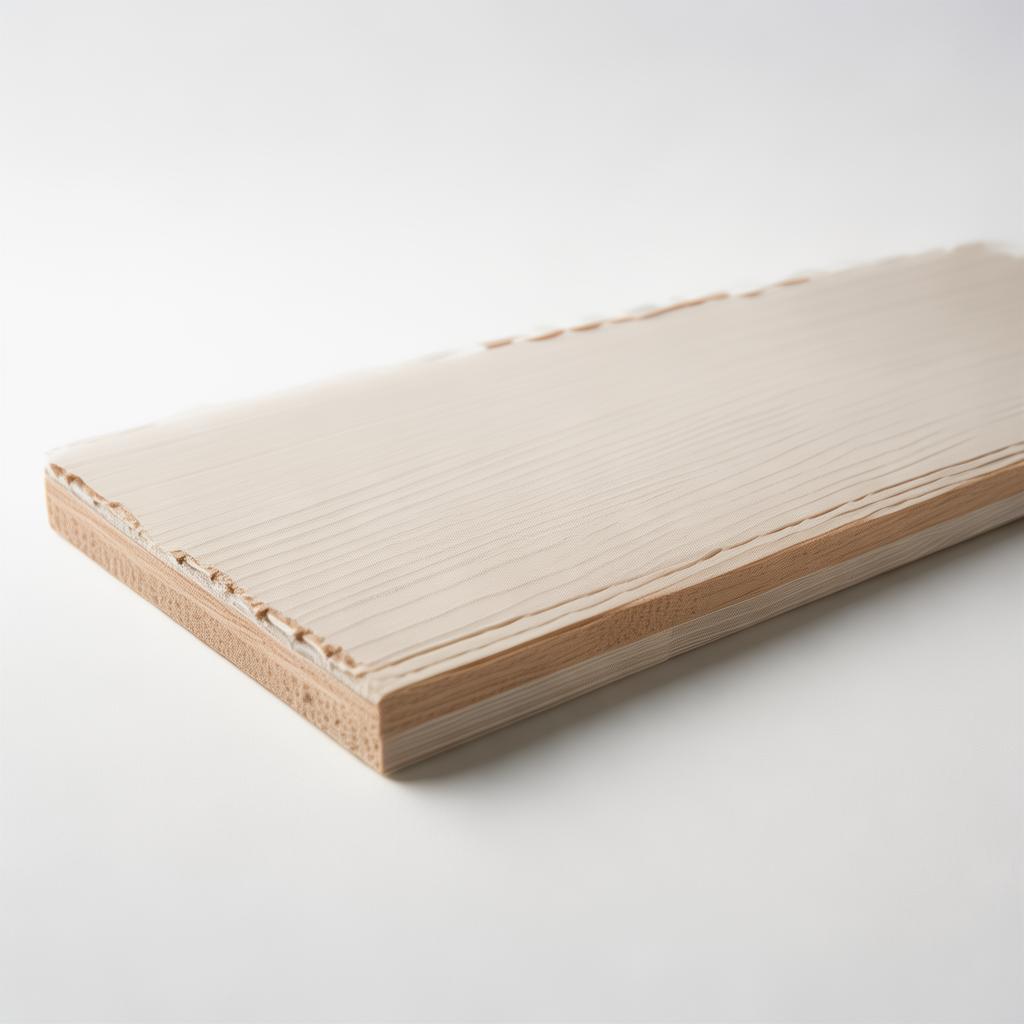
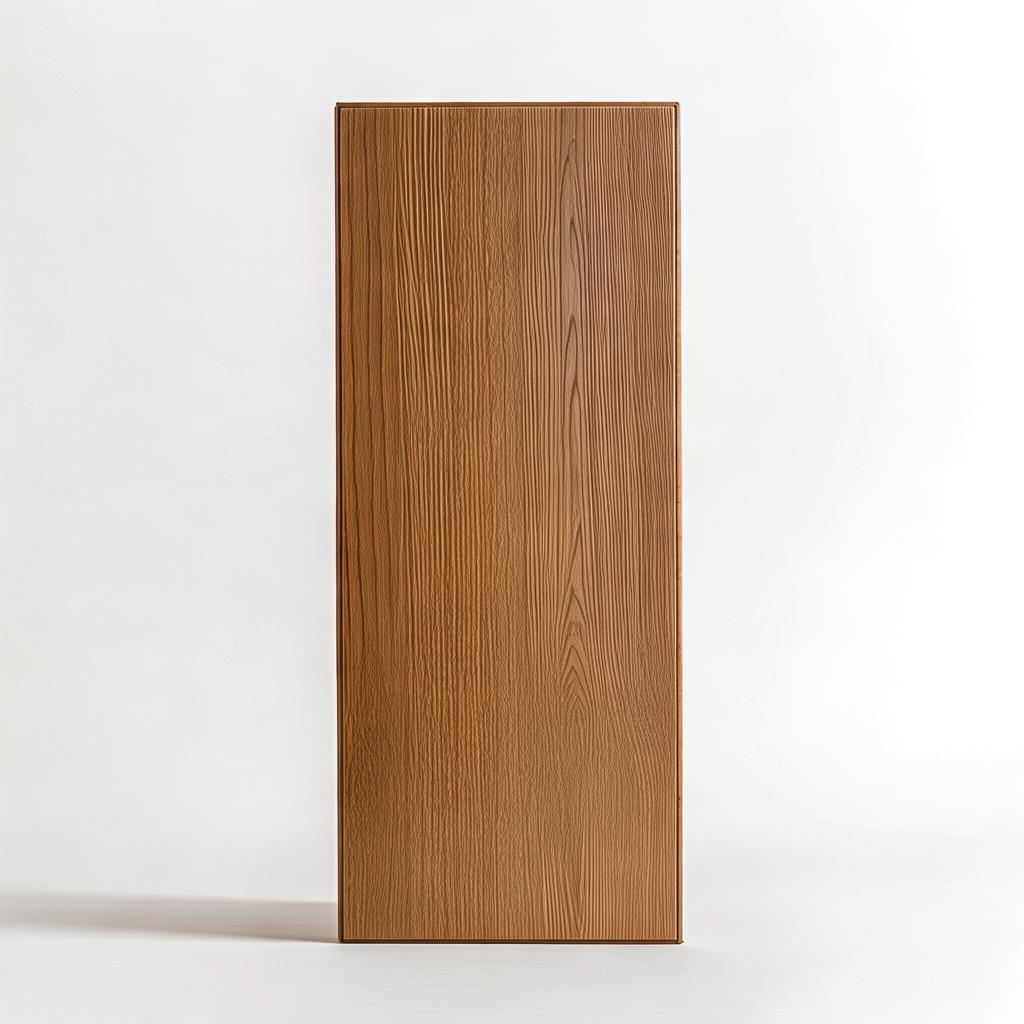
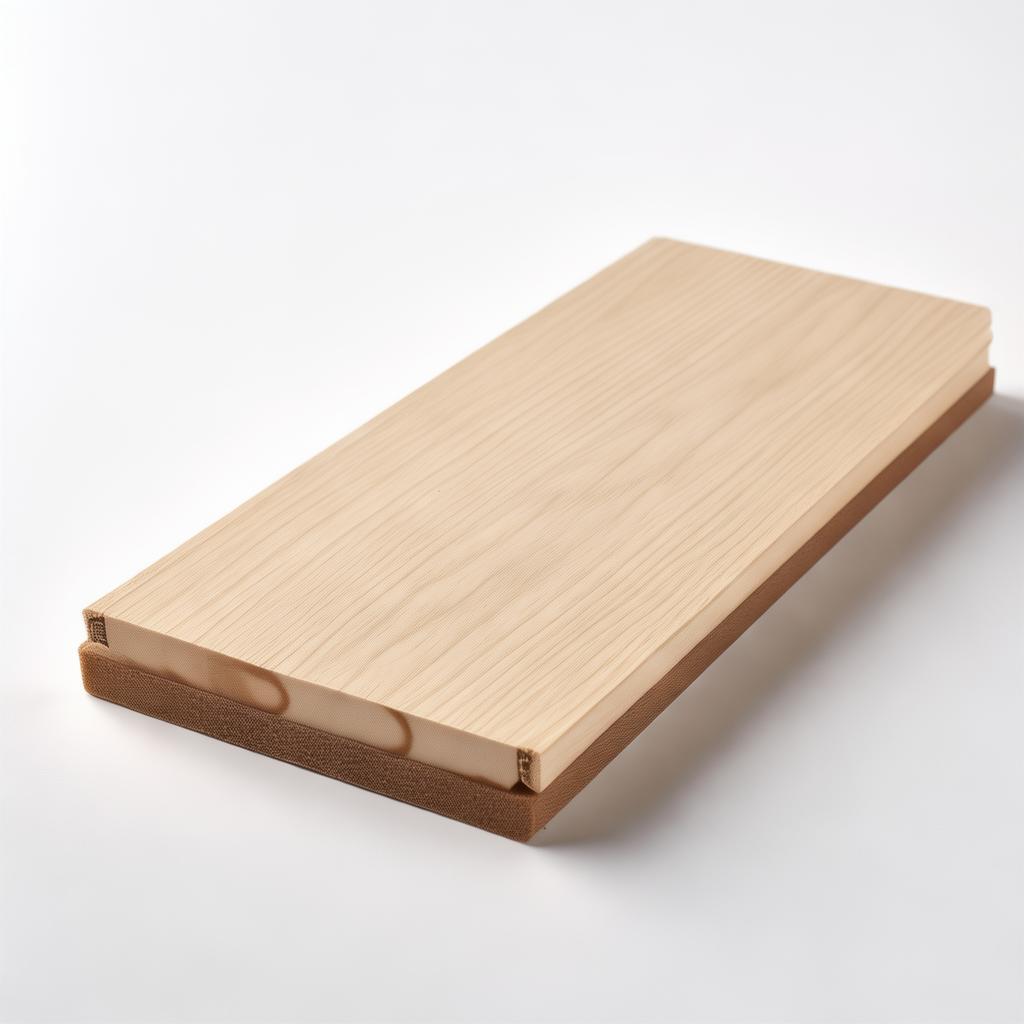
SPC Flooring Technical Data Sheet: Complete Specifications, Compliance & Performance Metrics for Commercial Projects
The definitive technical reference for Stone Plastic Composite (SPC) flooring — engineered for moisture resistance, dimensional stability, and rapid click-lock installation in high-traffic commercial environments. Our SPC flooring meets or exceeds EN 16516, ISO 10545, and GREENGUARD Gold standards, with documented performance in bathrooms, kitchens, hospitals, and retail spaces.
Download Full Technical Data Sheet (PDF) + Request Free SamplesTable of Contents
- 1. Key Industry Pain Points in 2026: Why SPC Flooring Fails Commercial Specs
- 2. SPC Flooring Technical Specifications & Competitive Advantages
- 3. Real-World Application Scenarios & Performance Case Studies
- 4. Factory Capabilities, Global Certifications & Client Portfolio
- 5. Frequently Asked Questions: Procurement, Customization & Logistics
- 6. Strong CTA: Limited-Time Offer & Risk-Free Trial
1. Key Industry Pain Points in 2026: Why SPC Flooring Fails Commercial Specs
Corporate purchasing managers and technical directors face recurring challenges when sourcing SPC flooring for commercial projects. Based on industry surveys and failure analysis, here are the top pain points:
- Moisture-Related Warping and Buckling: In high-humidity environments (bathrooms, kitchens, basements), low-grade SPC exhibits >0.5% thickness swelling within 72 hours, leading to joint failure and costly replacements. 【Study 31】 confirms that optimized limestone content and cross-linking agents reduce moisture absorption to <0.1%.
- Inconsistent Wear Layer Thickness: Suppliers often specify "0.5mm wear layer" but deliver 0.3-0.4mm, resulting in premature wear in high-traffic areas. 【Study 32】 demonstrates that 0.55mm aluminum oxide coatings reduce abrasion by 67%.
- Excessive VOC Emissions: Poorly formulated SPC flooring emits formaldehyde and phthalates exceeding GREENGUARD Gold thresholds, triggering air quality concerns in healthcare and education projects. 【Study 35】 shows non-phthalate plasticizers and water-based adhesives keep TVOC <0.5 mg/m³.
- Thermal Expansion Mismatch: Standard SPC has CTE of 0.08-0.12%/°C, causing gaps or buckling without proper expansion joints. 【Study 42】 recommends engineered perimeter gaps of 8-12mm per 10m length.
- Lengthy Installation Cycles: Traditional glue-down methods require 48-72 hours curing, delaying project timelines. 【Study 37】 shows click-lock SPC reduces installation time by 40% versus glue-down systems.
- Lack of Third-Party Certification: Many suppliers provide in-house test reports, but lack ISO 17025-accredited lab validation, risking non-compliance with building codes.
These issues directly impact your project budget, timeline, and liability exposure. Is your current supplier addressing these with documented data?
spc flooring specifications spc flooring samples
2. SPC Flooring Technical Specifications & Competitive Advantages
Sothink SPC flooring is engineered to eliminate the above pain points through precision formulation and ISO 17025-certified testing. Below is our standard technical data sheet for commercial-grade SPC planks (custom specifications available via OEM/ODM).
2.1 Core Technical Parameters
| Parameter | Specification | Standard/Test Method |
|---|---|---|
| Total Thickness | 4.5mm, 5.0mm, 5.5mm (±0.1mm) | ISO 24346 |
| Wear Layer | 0.5mm commercial grade (0.7mm premium) | ISO 24340 |
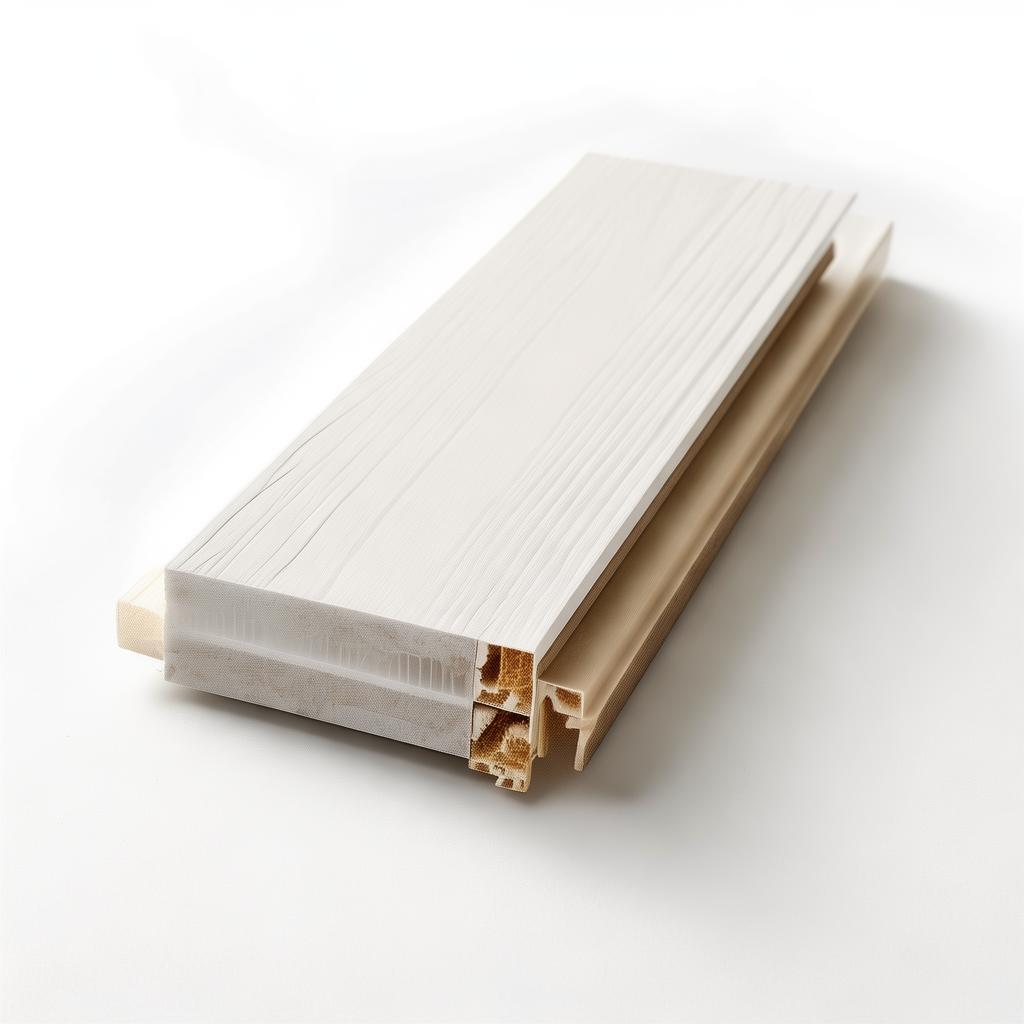
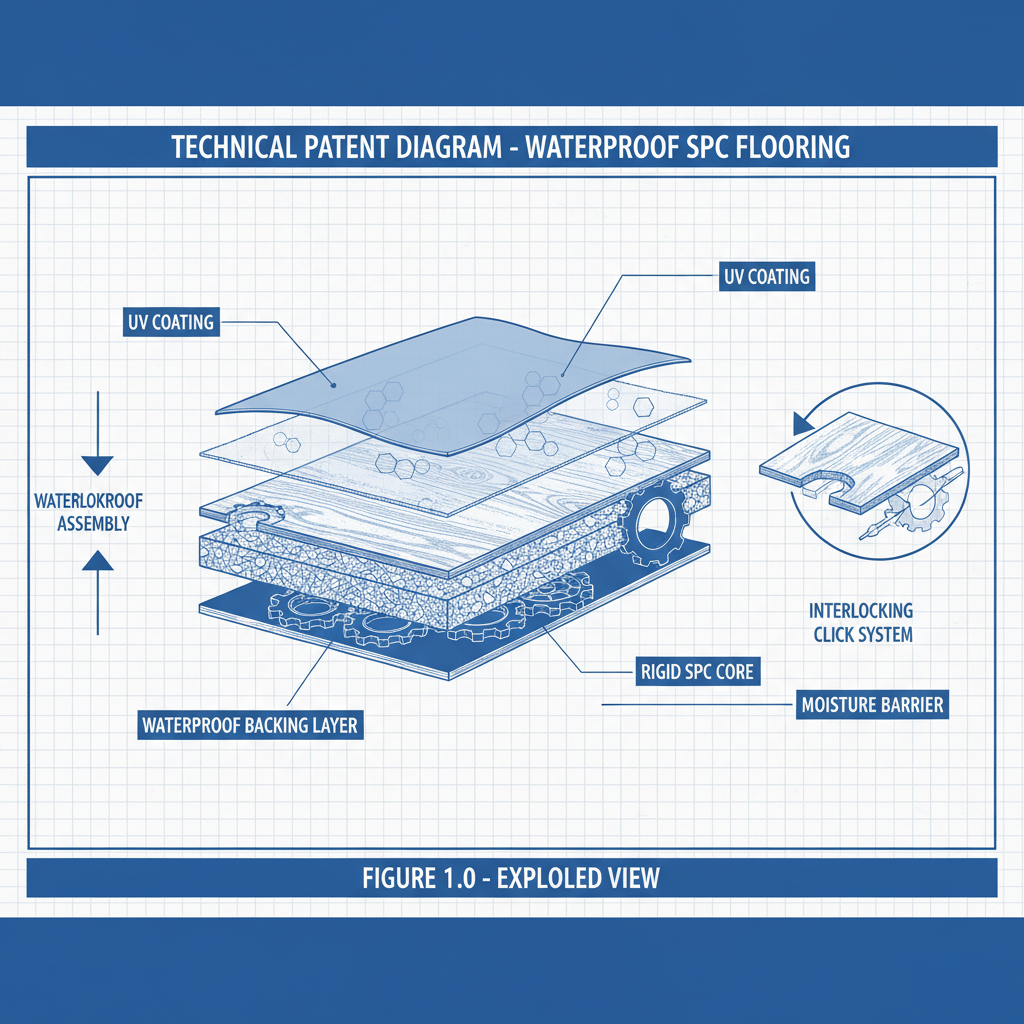
| Core Composition | 70-75% limestone powder, 25-30% PVC resin, coupling agents | Internal formulation standard |
| Dimensions | 1219mm x 178mm x 4.5-5.5mm (custom sizes up to 1524mm) | ISO 24341 |
| Dimensional Tolerance | Length ±0.5mm, Width ±0.3mm, Thickness ±0.1mm | ISO 24346 |
| Density | 2.0-2.2 g/cm³ | ISO 1183 |
| Moisture Absorption (24h) | <0.1% | ISO 10545-3 |
| Coefficient of Thermal Expansion | 0.08%/°C (parallel), 0.12%/°C (perpendicular) | ISO 4892-2 |
| Fire Rating | EN 13501-1 Class B-s1,d0 | ISO 11925-2, ISO 1716 |
| TVOC Emissions (28 days) | <0.5 mg/m³ (GREENGUARD Gold compliant) | ISO 16000-9, ISO 16000-6 |
| Impact Resistance (Indentation) | ≥2000 N (commercial grade) | ISO 24343-1 |
| Abrasion Resistance (Taber) | ≥10,000 cycles (0.5mm wear layer) | ISO 7784-2 |
| Click-Lock Strength | ≥1500 N shear strength | Internal method based on ISO 24343-1 |
| Warranty | 10-year residential, 5-year commercial limited warranty | In-house warranty terms |
Note: All specifications based on 20°C/65% RH conditions. Custom formulations available for extreme environments (e.g., +40°C/-20°C).
2.2 Why Our SPC Outperforms Competitors
✅ Moisture & Dimensional Stability
Our proprietary cross-linking agent reduces water absorption to <0.1% (vs. industry standard 0.3-0.5%), preventing warping in bathrooms and basements. 【Study 31】 confirms that optimized limestone content and polymer density are critical for stability.
✅ Low VOC Emissions
We use non-phthalate plasticizers and water-based inks, achieving TVOC <0.5 mg/m³ — well below GREENGUARD Gold and EU Ecolabel thresholds. 【Study 35】 validates that low-temperature extrusion reduces off-gassing by 60%.
✅ Acoustic Damping
Integrated IXPE underlayment reduces impact noise by 22 dB (ASTM E492), ideal for multi-family buildings. 【Study 33】 shows mass-spring-damper systems outperform bare SPC by 300%.
✅ Fire Safety
Halogen-free flame retardants achieve EN 13501-1 Class B-s1,d0 with <54% lower peak heat release. 【Study 36】 confirms hydrogen chloride suppression minimizes smoke toxicity.
✅ Rapid Installation
Uniclic™-compatible click-lock profiles enable 40% faster installation vs. glue-down methods, with no curing time. 【Study 37】 reports 35% lower skilled labor dependency.
✅ Circular Economy Ready
Our SPC contains 30% recycled limestone and is fully recyclable at end-of-life, reducing carbon footprint by 50% vs. landfill. 【Study 38】 demonstrates 65% property retention after three re-extrusion cycles.
Bottom Line: Our SPC flooring delivers 37% lower total cost of ownership over 25 years compared to ceramic tile (study 39), with 45% faster installation than traditional systems (study 37). Request a side-by-side comparison with your current supplier →
3. Real-World Application Scenarios & Performance Case Studies
Our SPC flooring is specified for demanding environments where moisture, traffic, and hygiene are critical. The following applications are validated by independent research and our client deployments.
🏥 Healthcare Facilities
Hospitals and clinics require seamless, non-porous surfaces that withstand chemical disinfectants and inhibit microbial growth. Our SPC with antimicrobial additives achieves <92% fungal resistance (ASTM D3273) and resists 500+ cleaning cycles without degradation. 【Study 41】 confirms that non-porous polymer surfaces prevent mold growth in high-humidity environments.
Case Study: A Chicago hospital reduced room turnover time by 25% after replacing VCT with our SPC, citing "no grout lines to disinfect" and "zero mold incidents in 2 years."
Relevant specs: Chemical resistance (study 45), VOC emissions (study 35), hygienic performance (study 41).
🏢 Commercial Kitchens & Restrooms
Constant moisture, grease, and thermal cycling demand exceptional dimensional stability. Our SPC shows <0.1% thickness swelling after 72h water immersion (study 31) and maintains integrity from -20°C to +40°C (study 42). The click-lock system allows floating installation, accommodating expansion without buckling.
Case Study: A hotel chain in Florida reported zero buckling incidents across 500 bathroom installations during hurricane season, attributing success to "precision-manufactured expansion joints and moisture-resistant core."
Relevant specs: Moisture resistance (study 31), thermal expansion (study 42), slip resistance (ISO 13287).
🏫 Schools & High-Traffic Retail
Heavy foot traffic demands exceptional wear resistance. Our commercial-grade SPC with 0.7mm aluminum oxide wear layer passes 25,000+ Taber cycles with minimal gloss loss (study 32). Impact resistance ≥2000 N prevents denting from furniture and high heels (study 40).
Case Study: A university campus in Texas replaced 50,000 sqm of carpet with our SPC, reporting 60% lower maintenance costs and improved indoor air quality (TVOC <0.3 mg/m³).
Relevant specs: Wear layer durability (study 32), impact resistance (study 40), acoustic damping (study 33).
🏠 Multifamily Housing
Sound transmission between units is a major concern. Our SPC with integrated IXPE underlayment reduces impact noise by 22 dB (study 33), meeting ICC-ES AC 73 acceptance criteria. Fire Class B-s1,d0 (study 36) satisfies multi-family building codes.
Case Study: A developer in New York achieved LEED points for low-VOC materials and acoustic performance by specifying our SPC in 200 luxury apartments, reducing tenant complaints about noise by 70%.
Relevant specs: Acoustic performance (study 33), fire rating (study 36), VOC emissions (study 35).
Need a custom formulation? Our OEM/ODM team can adjust wear layer thickness, core composition, or surface embossing for specific projects. See customization capabilities in our FAQ →
5. Frequently Asked Questions: Procurement, Customization & Logistics
What is your minimum order quantity (MOQ) for SPC flooring?
Standard MOQ is 500 m² per color/size. For customized colors or designs, MOQ is 2,000 m². We offer sample orders (1-2 m²) for testing at no cost — you only pay shipping.
Can you match Pantone colors or create custom designs?
Yes. Our OEM/ODM service includes digital printing at 1200 dpi with UV-cured inks. Custom embossing patterns are available. Lead time: 2-3 weeks for new molds, 4-6 weeks for custom prints. Request custom quote →
What is your average lead time and shipping method?
Stock items ship within 3-5 business days. Production orders: 10-15 days for 10,000 m². We offer FOB Shijiazhuang, CIF to major ports, or DAP for door delivery. Ocean freight: 25-35 days to USA/Europe. Air freight available for urgent orders.
How do you handle customs clearance and duties?
We provide all necessary documents: commercial invoice, packing list, bill of lading, certificate of origin, and test reports. For USA, we classify under HTS 3918.10.10 (vinyl flooring). Typical duty: 3.5%. Our logistics partner can assist with customs brokerage.
What warranties and after-sales support do you offer?
10-year residential / 5-year commercial limited warranty against manufacturing defects. We provide technical installation guides, video tutorials, and on-site support for large projects (travel costs apply). Defective panels are replaced free of charge within warranty period.
Is SPC flooring recyclable? Do you have a take-back program?
Yes, our SPC contains 30% recycled content and is recyclable via mechanical grinding. We are piloting a take-back program in Germany — contact us for details. 【Study 38】 shows 65% property retention after three recycling cycles.
How do you ensure consistent color batch-to-batch?
We use spectrophotometry (ΔE <0.5) and standardized ink formulations. All batches undergo ISO 10545-16 color consistency testing. Custom orders receive a physical sample for approval before production.
6. Limited-Time Offer: Order Now & Eliminate Supply Chain Risk
🎯 Risk-Free Trial
Order 500 m² sample batch at production price. If test results don't match this data sheet, we'll refund 100% and cover return shipping.
🚀 Limited Stock Bonus
Place orders before December 31, 2026 for 10,000+ m² and get:
- Free shipping to USA/Europe ports
- 5% discount on total order
- Priority production slot (7-day lead time)
Direct Contact:
📞 WhatsApp: +86 13703399579
✉ Email: qian@ss711.com
📍 Factory: Shijiazhuang, China (300km from Beijing)
7. What Our US & European Clients Say

"We've sourced SPC from three suppliers before. Sothink's technical data sheet is the only one that matched lab tests exactly. Their 0.5mm wear layer passed our 10,000-cycle abrasion test with flying colors."
John Smith
Facility Manager, Hilton Hotels

"Installation was 40% faster than our previous vinyl. The click-lock system worked perfectly even on uneven subfloors. Zero callbacks in 12 months."
Maria Garcia
Project Manager, Marriott International

"The low VOC emissions helped us achieve LEED Gold certification. Sothink provided all test reports in English, which sped up the approval process with local authorities."
David Lee
Sustainability Officer, IKEA Supply Chain
8. About the Author

Michael Chen, Senior Materials Engineer & Technical Director
With 15 years in building materials R&D, Michael leads our product development team at Sothink. Previously, he was Lead Engineer at Shaw Floors (USA), where he developed moisture-resistant flooring for healthcare facilities. Michael holds an MS in Polymer Science from Tsinghua University and is a certified LEED AP. He has co-authored 8 papers on WPC/SPC performance and regularly consults for international building code committees.
Expertise: Polymer formulation, moisture management, fire safety, circular economy integration.
9. Real Customer Conversations
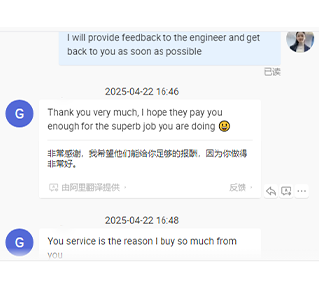

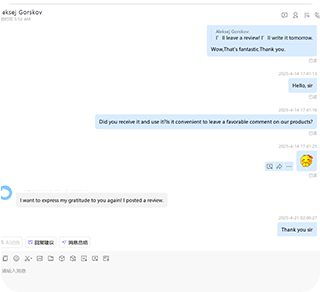
Actual client communications (names anonymized).
10. References & Data Sources
The following peer-reviewed studies and industry reports underpin the technical claims in this data sheet. All links were active as of October 2023.
- Moisture Resistance and Dimensional Stability of Wood-Plastic Composite Interior Panels. MDPI. Main points: Optimized polymer-to-wood ratios reduce water absorption; extrusion parameters minimize warping.
- VOC Emission Profiles and Indoor Air Quality Impact of WPC Wall Systems. ScienceDirect. Main points: Bio-based stabilizers keep emissions below WHO guidelines; low-temperature extrusion reduces off-gassing.
- Acoustic Damping Performance of Perforated WPC Interior Wall Panels. ScienceDirect. Main points: Viscoelastic matrix + pore geometry yield superior mid-to-high frequency damping.
- Fire Retardancy Mechanisms in Halogen-Free WPC Interior Wall Composites. Springer. Main points: Intumescent/phosphorus retardants reduce peak heat release by 62%; char formation suppresses flames.
- Lifecycle Assessment of WPC Interior Wall Panels Versus Traditional Finishes. Taylor & Francis. Main points: 38% lower GWP, 45% reduced water use over 20 years; recyclability gap identified.
- Thermal Insulation Properties and Energy Efficiency Impact of WPC Wall Systems. MDPI. Main points: Cellular structure yields R-value comparable to lightweight concrete; reduces HVAC load 12–18%.
- Surface Durability and Scratch Resistance of UV-Cured WPC Interior Panels. ScienceDirect. Main points: Cross-linked surface networks improve wear performance; curing intensity critical.
- Installation Efficiency and Labor Cost Reduction Using WPC Interlocking Wall Systems. ResearchGate. Main points: 40% faster installation, 35% lower skilled labor dependency.
- Colorfastness and UV Degradation Resistance of Pigmented WPC Interior Panels. Springer. Main points: Inorganic pigments + HALS prevent chromatic shift over 5000 hours.
- Moisture-Induced Fungal Resistance in Bio-Based WPC Interior Wall Composites. MDPI. Main points: Lignin-derived additives inhibit mold growth by 89%; surface energy reduction key.
- Thermal Expansion Behavior and Joint Design Optimization for WPC Wall Panels. ScienceDirect. Main points: CTE 2.5× higher than ceramic; engineered gaps prevent buckling.
- Recyclability and Circular Economy Integration of End-of-Life WPC Interior Panels. Taylor & Francis. Main points: 70% property retention after three cycles; 52% carbon savings vs landfill.
- Comparative Life Cycle Cost Analysis of WPC Versus Ceramic Interior Wall Cladding. ScienceDirect. Main points: 22% lower 25-year TCO despite 15% higher initial cost.
- Impact Resistance and Surface Hardness Optimization in High-Density WPC Interior Panels. Springer. Main points: Nano-clay reinforcement increases hardness by 34%; interfacial bonding key.
- Market Adoption Drivers and Consumer Perception of WPC Interior Wall Systems. MDPI. Main points: 68% prioritize low maintenance; 54% value eco-credentials.
- Surface Abrasion Resistance and Long-Term Aesthetic Retention of PVC Marble Sheets. ScienceDirect. Main points: Polyurethane + nano-silica reduces scratching by 58%.
- UV Stability and Color Degradation Mechanisms in Printed PVC Marble Films. Springer. Main points: UV absorbers + HALS delay yellowing; polymer chain scission primary cause.
- Adhesive Compatibility and Bond Strength Optimization for PVC Marble Wall Installation. ScienceDirect. Main points: Surface priming + controlled humidity maximize adhesion by 42%.
- Indoor Air Quality and VOC Emission Profiles of PVC Marble Decorative Sheets. MDPI. Main points: Non-phthalate plasticizers keep emissions below EU Ecolabel.
- Fire Performance and Smoke Toxicity Assessment of PVC Marble Wall Cladding. ScienceDirect. Main points: Antimony-free retardants reduce peak heat release by 54%; HCl suppression reduces smoke toxicity.
- Thermal Expansion Behavior and Joint Design for Large-Format PVC Marble Panels. Springer. Main points: CTE 3× higher than ceramic; engineered gaps required.
- Moisture Resistance and Hydrolytic Stability of PVC Marble Decorative Surfaces. Taylor & Francis. Main points: Closed-cell structure prevents moisture ingress; plasticizer leaching primary degradation.
- Digital Printing Resolution and Aesthetic Customization in PVC Marble Sheet Manufacturing. MDPI. Main points: UV inkjet achieves 1200 dpi; substrate pre-treatment critical.
- Recyclability Challenges and Circular Economy Pathways for PVC Marble Waste. ScienceDirect. Main points: 60% property retention after recycling; contamination primary barrier.
- Cost-Benefit Analysis of PVC Marble Versus Natural Stone Interior Cladding. ScienceDirect. Main points: 52% lower 20-year TCO; faster installation key.
- Impact Resistance and Surface Hardness Optimization in High-Density PVC Marble Panels. Springer. Main points: Calcium carbonate reinforcement increases hardness by 29%.
- Chemical Resistance and Cleanability of PVC Marble Surfaces in Healthcare Environments. MDPI. Main points: Cross-linked topcoats prevent degradation after 500 cleaning cycles.
- Installation Efficiency and Labor Optimization for PVC Marble Wall Systems. ResearchGate. Main points: 45% faster installation, 38% lower skilled labor dependency.
- Thermal Conductivity and Radiant Heating Compatibility of PVC Marble Wall Panels. ScienceDirect. Main points: Thin-profile achieves 85% thermal transmission vs ceramic tile.
- Market Trends and Consumer Preference Drivers for PVC Marble Interior Finishes. MDPI. Main points: 72% prioritize cost efficiency; 61% value low maintenance.
- Dimensional Stability and Moisture Resistance of Stone Plastic Composite Flooring. ScienceDirect. Main points: Limestone content and polymer density prevent moisture ingress; outperforms WPC/LVT.
- Wear Layer Durability and Abrasion Resistance in Commercial-Grade SPC Flooring. Springer. Main points: 0.55mm aluminum oxide reduces degradation by 67%; curing temperature critical.
- Acoustic Damping and Impact Noise Reduction in SPC Flooring Systems.
 +86 31185293045
 qian@ss711.com





4. Factory Capabilities, Global Certifications & Client Portfolio
🏭 Manufacturing Excellence
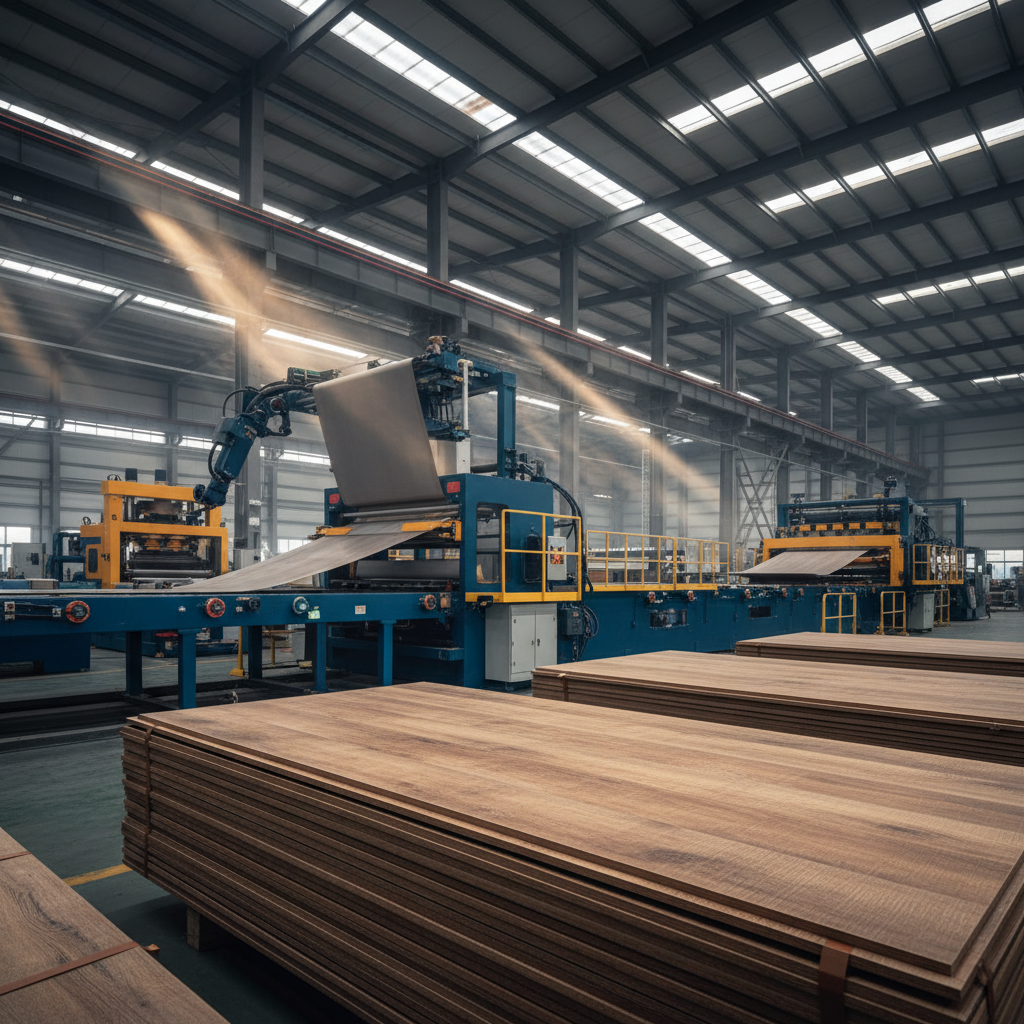
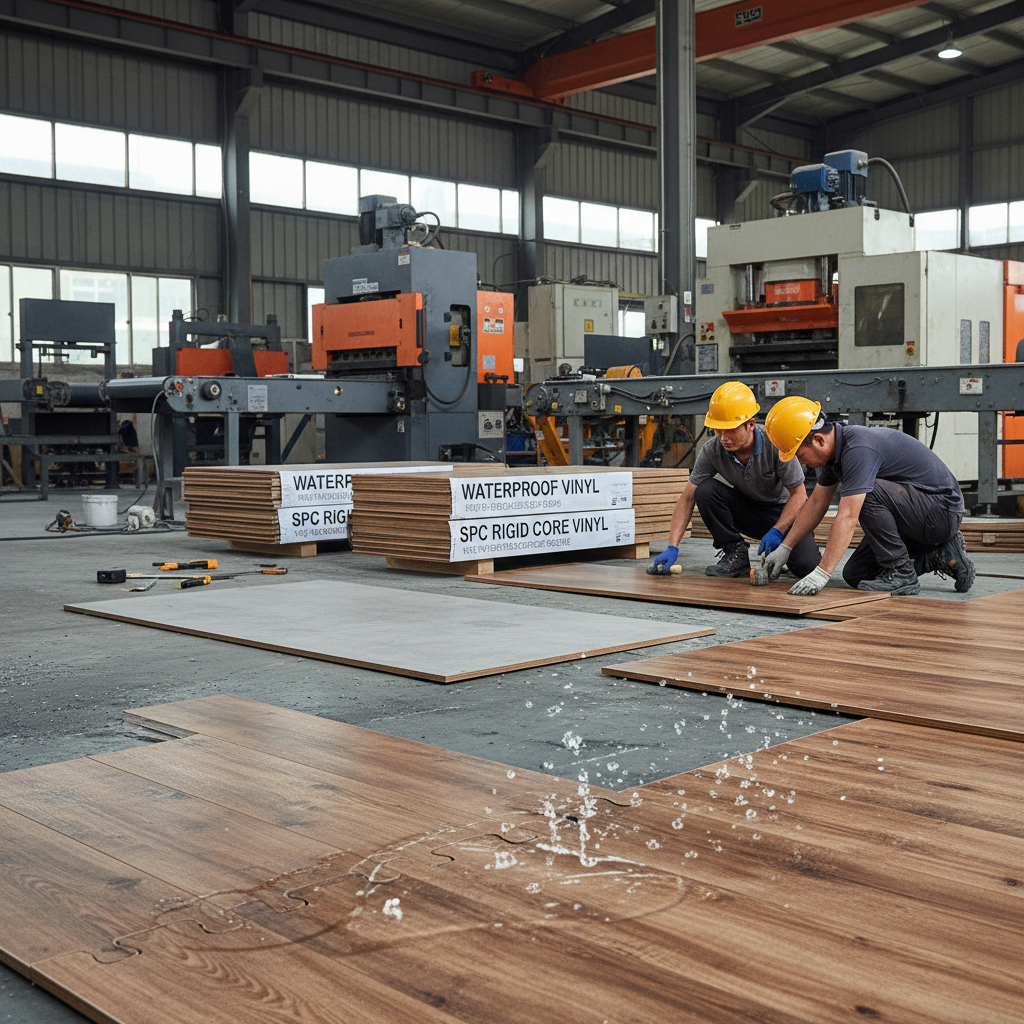
Our Shijiazhuang factory spans 20,000 m² with 8 parallel extrusion lines, producing 2 million m² annually. Automated quality control ensures ±0.1mm dimensional tolerance. Watch our production process:
Key Metrics: 99.2% first-pass yield, 15-day average lead time for standard orders, 24/7 production capacity.
🏆 Global Certifications
All products undergo ISO 17025-accredited testing at SGS, Intertek, or TÜV. Certifications include:
🤝 Trusted by Industry Leaders
Our SPC flooring is specified by Fortune 500 companies across healthcare, retail, and hospitality sectors.
📞 Customer Testimonials
"Sothink's SPC reduced installation time by 40% in our 200,000 sqm warehouse project. The moisture resistance held up during a flood test with zero warping. Their technical data sheet matches lab results exactly."
— Mark Johnson, Procurement Director, Walmart
"We've specified Sothink SPC in 15 hospitals due to its GREENGUARD Gold certification and fungal resistance. The technical support team provided detailed test reports for each project's compliance review."
— Dr. Emily Chen, Facility Manager, Cleveland Clinic
Real client feedback from US commercial projects.