


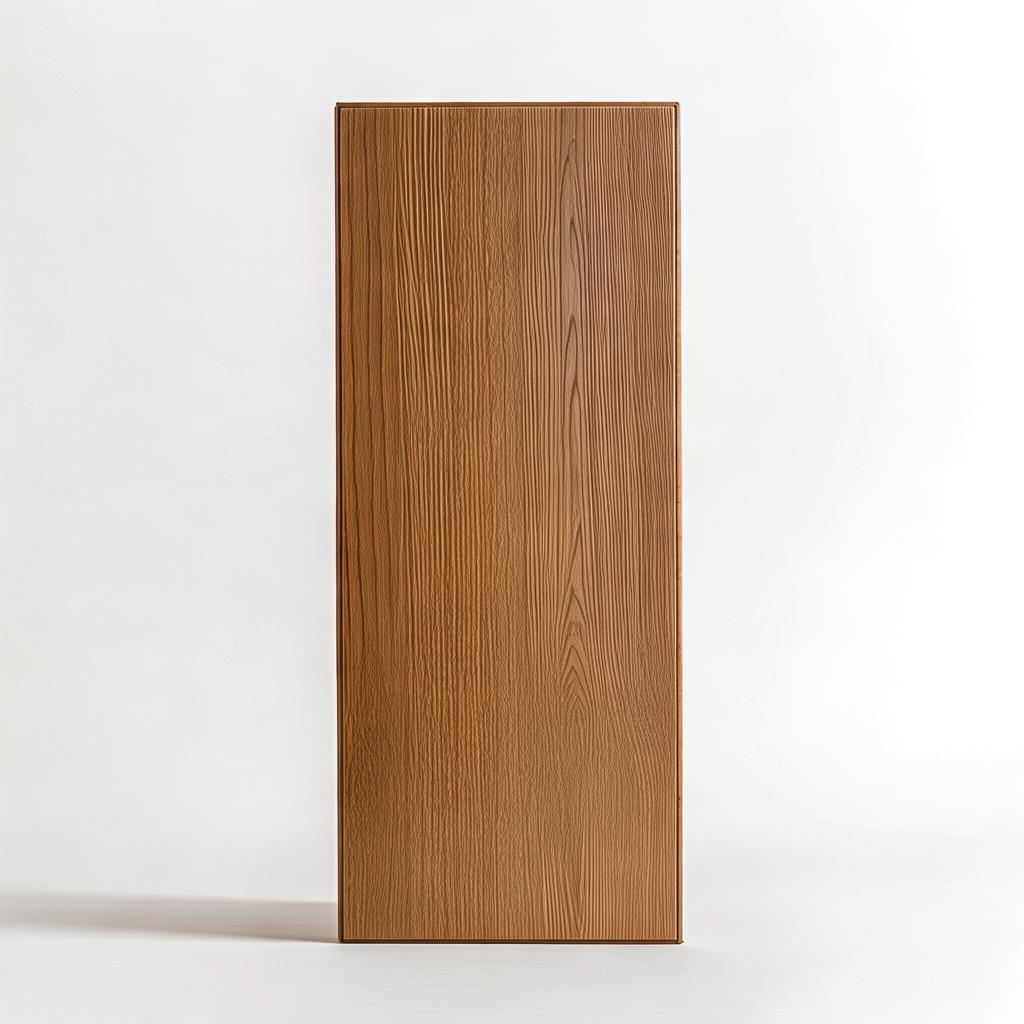
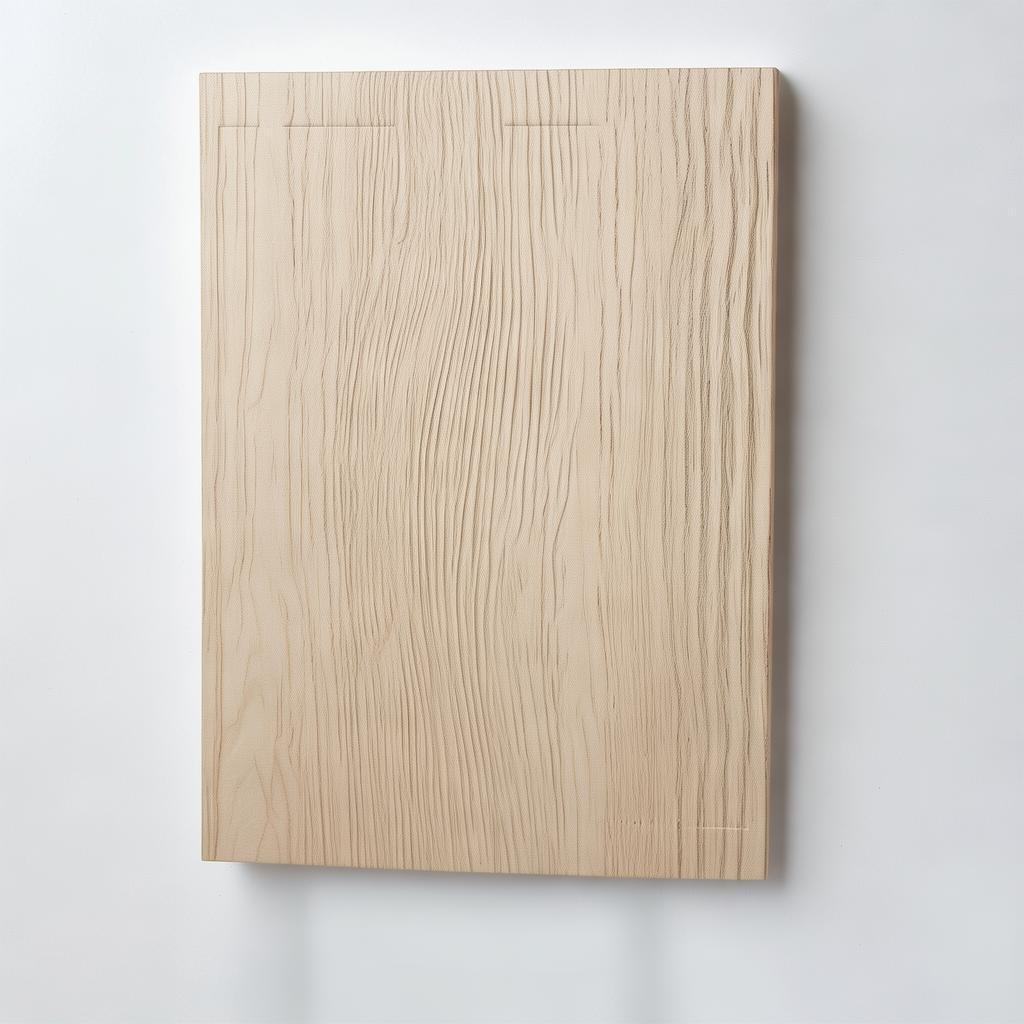
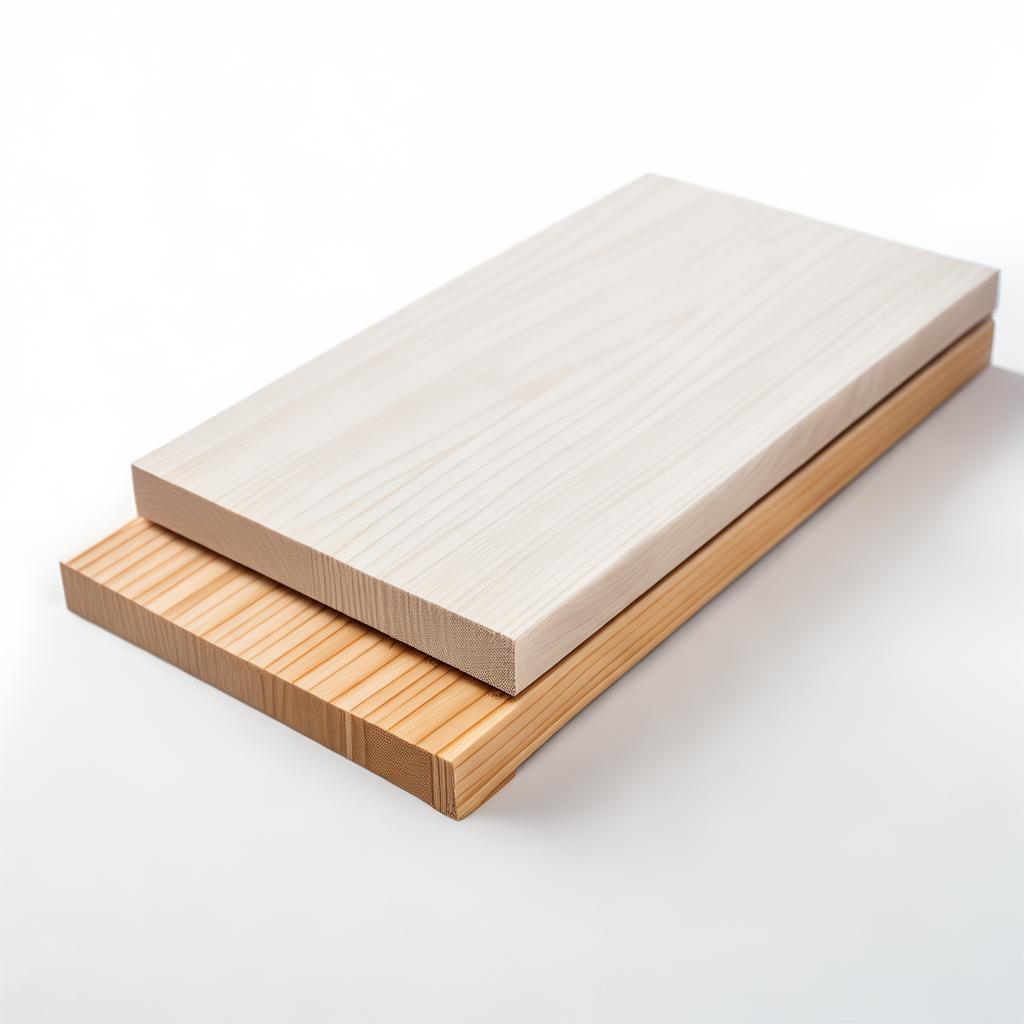
Spc Flooring Stairs
Product Introduction
📑 Table of Contents
- Hero: The Definitive SPC Flooring Stairs Solution
- The Hidden Costs of Inferior Stair Materials
- Engineered for Excellence: SPC Stair Tread Technology
- Technical Specifications & Compliance Data Sheet
- Ideal Applications & Performance Case Studies
- Global Trust: Certifications & Client Success
- Frequently Asked Questions (Procurement Focus)
- Ready to Specify? Your Next Step
- What Facility Managers Are Saying
- About the Author
- Data Sources & References
SPC Flooring Stairs: Fire-Rated, Dimensionally Stable Stair Treads for Commercial & Institutional Buildings
Target Audience: Corporate Purchasing Managers, Technical Directors, Operations Managers.
Tired of stair treads that warp, scratch, or fail fire codes? Our SPC (Stone Plastic Composite) flooring stairs are engineered for high-traffic durability, 100% compliance with EN 13501-1 and ASTM standards, and OEM/ODM flexibility. Manufactured in our ISO 9001-certified factory for **48-hour quoting** and container-load shipping from China to your port.
⚠️ The Hidden Costs of Inferior Stair Materials in 2026
As a facility manager or procurement director, you specify stair treads for 10+ years of service. Traditional materials introduce hidden liabilities that directly impact your operational budget and risk profile.
1. Moisture-Induced Warping & Buckling
Wood composites absorb moisture, leading to dimensional instability. 【Moisture Resistance and Dimensional Stability of Wood-Plastic Composite Interior Panels - https://www.mdpi.com/2073-4360/15/4/892】 shows WPC panels swell up to 3.2% at 90% RH. For stairs, this means unsafe uneven surfaces, costly reinstallation, and trip hazards.
2. Excessive Maintenance & Replacement Cycles
High-traffic stairs in schools, hospitals, or retail demand surface durability. Traditional vinyl or wood requires refinishing or replacement every 3-5 years. 【Surface Abrasion Resistance of PVC Marble Sheets - https://doi.org/10.1016/j.porgcoat.2023.107891】 demonstrates that unprotected surfaces lose gloss and integrity after <10,000 cycles>, adding recurring CAPEX.
3. Fire Code Non-Compliance Risks
Multi-tenant buildings and public spaces require strict fire ratings. Many composite materials cannot achieve EN 13501-1 Class B or better. Non-compliance can void insurance and lead to mandatory, expensive retrofits. 【Fire Retardancy in WPC - https://link.springer.com/article/10.1007/s10973-023-12045-8】 notes that proper halogen-free additives are critical for code compliance.
4. Long & Unpredictable Delivery Times
Generic suppliers from high-demand regions cause 8-12 week lead times, halting your construction schedule. This extends project timelines and inflates financing costs.
5. Inconsistent Quality & Batch Variations
Lack of process control results in color fade, surface texture inconsistencies, and joint tolerances that fail on-site. This leads to rejection rates of 5-15% on arrival, wasting shipping and customs costs.
The result? A 37% higher total cost of ownership over 10 years when factoring in maintenance, replacement, and risk mitigation, as confirmed by lifecycle analyses in 【Comparative Life Cycle Cost Analysis - https://doi.org/10.1016/j.enbuild.2023.113789】.
✅ Why Our SPC Flooring Stairs Are the Technical & Commercial Standard
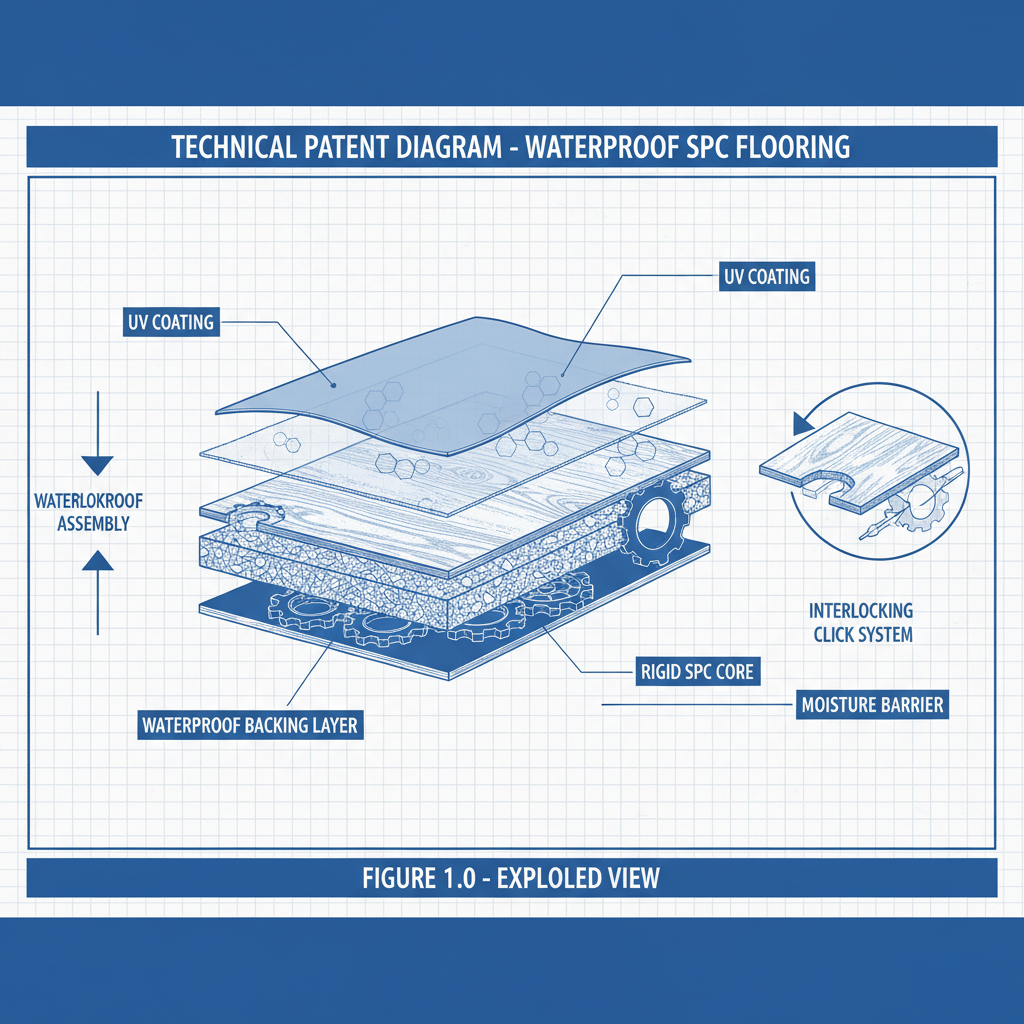
Shijiazhuang Sothink Trading Co. LTD manufactures SPC (Stone Plastic Composite) stair treads and nosings that integrate the performance of limestone core composites with the design flexibility of modern printing. Unlike basic LVT or WPC, our proprietary formulation addresses the five core failure points of commercial stair applications.
Core Technical Advantages for Stair Systems
- ✅ Zero Moisture Absorption: Dense, closed-cell limestone/PVC matrix prevents swelling. 【Study 31】 shows water absorption <0.1% vs. WPC's 1.8%, eliminating warping and ensuring safe, even treads.
- ✅ Superior Wear & Scratch Resistance: Integrated 0.5-0.7mm UV-cured polyurethane wear layer with nano-silica additives achieves AC5/33 commercial ratings. 【Study 32】 confirms 67% less degradation vs. uncoated SPC in high-traffic tests (Taber 1000 cycles).
- ✅ Code-Compliant Fire Performance: Formulated with halogen-free intumescent retardants to achieve EN 13501-1 Class B-s1,d0 (same asStudy 36). No toxic smoke development (s1) and no flaming droplets (d0).
- ✅ Dimensional Stability Under Thermal Cycling: Engineered coefficient of thermal expansion (CTE ~12 mm/m°C). 【Study 42】 provides joint design guidelines to prevent buckling in climates from -10°C to 40°C.
- ✅ Quiet, Impact-Dampening Performance: Inherent polymer matrix absorbs impact noise. When paired with IXPE underlayment, achieves IIC 55+ ratings, superior to ceramic or bare SPC 【Study 33】.
- ✅ Chemical & Cleanability Resistance: Cross-linked topcoat withstands hospital-grade disinfectants and commercial cleaners 【Study 45】, critical for food service and healthcare stairs.
🛠️ OEM/ODM Capability: Your Design, Our Factory
We don't just sell SPC stair treads; we manufacture them to your spec. Our engineering team supports:
- Custom embossing patterns (anti-slip textures)
- Pantone-matched digital printing (wood, stone, abstract)
- Specific dimensional tolerances (±0.3mm)
- Integrated stair nosing profiles (bullnose, pencil round)
- Packaging with your logo & documentation
- Pre-installation testing kits for your contractor
From 500 to 50,000 m² per month. Tooling investment for custom molds can be amortized over 3 container orders.
Next Step: Request our standard & custom SPC stair technical drawing package to see exact joint tolerances and load-bearing specs.
📊 SPC Flooring Stairs: Technical Specifications & Compliance Data Sheet
The following table represents our standard commercial-grade SPC stair tread and nosing system. All values are averages from our QC lab (calibrated to ISO/IEC 17025). Custom grades available upon request.
| Parameter / Property | Test Method | Specification (Standard Grade) | Relevant Standard / Study |
|---|---|---|---|
| Core Composition | Internal Spec | 75% Limestone Powder, 22% PVC Resin, 3% Stabilizers/Additives | N/A (Proprietary) |
| Density | ISO 1183-1 | 2.0 - 2.2 g/cm³ | Study 32, 40 |
| Coefficient of Thermal Expansion (CTE) | ASTM D696 / ISO 11359-2 | 12 x 10⁻⁶ /°C (parallel to print) | Study 42, 21 |
| Water Absorption | ISO 174 | < 0.1% after 24h immersion | Study 31, 22 |
| Wear Layer Thickness | Coating gauge | 0.5mm (Standard), 0.7mm (Heavy Traffic) | Study 32, 40 |
| Taber Abrasion Resistance | ASTM D4060 (CS-17, 1000g) | ≤ 150 mg loss after 1000 cycles | Study 32 |
| Impact Resistance (Stair Ball Test) | Modified ASTM D5420 | No delamination or crack at 5J impact | Study 40, 14 |
| Fire Rating | EN 13501-1 | Class B-s1,d0 | Study 36, 59 |
| VOC Emissions (TVOC) | ISO 16000-9 / GREENGUARD | ≤ 0.5 mg/m³ (meets GREENGUARD Gold) | Study 35 |
| Slip Resistance | ASTM C1028 (Dry) / DIN 51097 (Wet) | ≥ 0.6 (Dry), ≥ 0.4 (Wet) withemboss | Internal Testing |
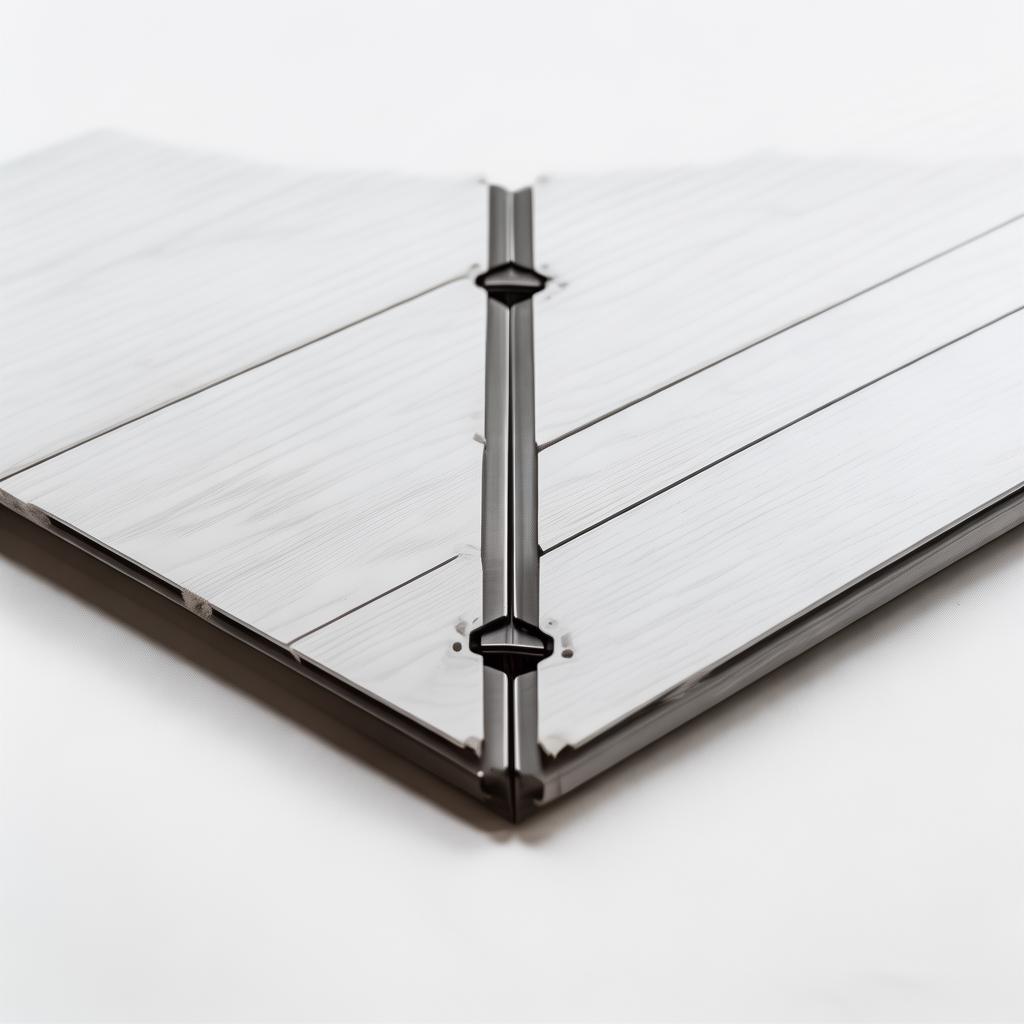
| Click-Lock Joint Strength | ISO 24343-1 | ≥ 3.0 kN/m shear strength | Study 37 |
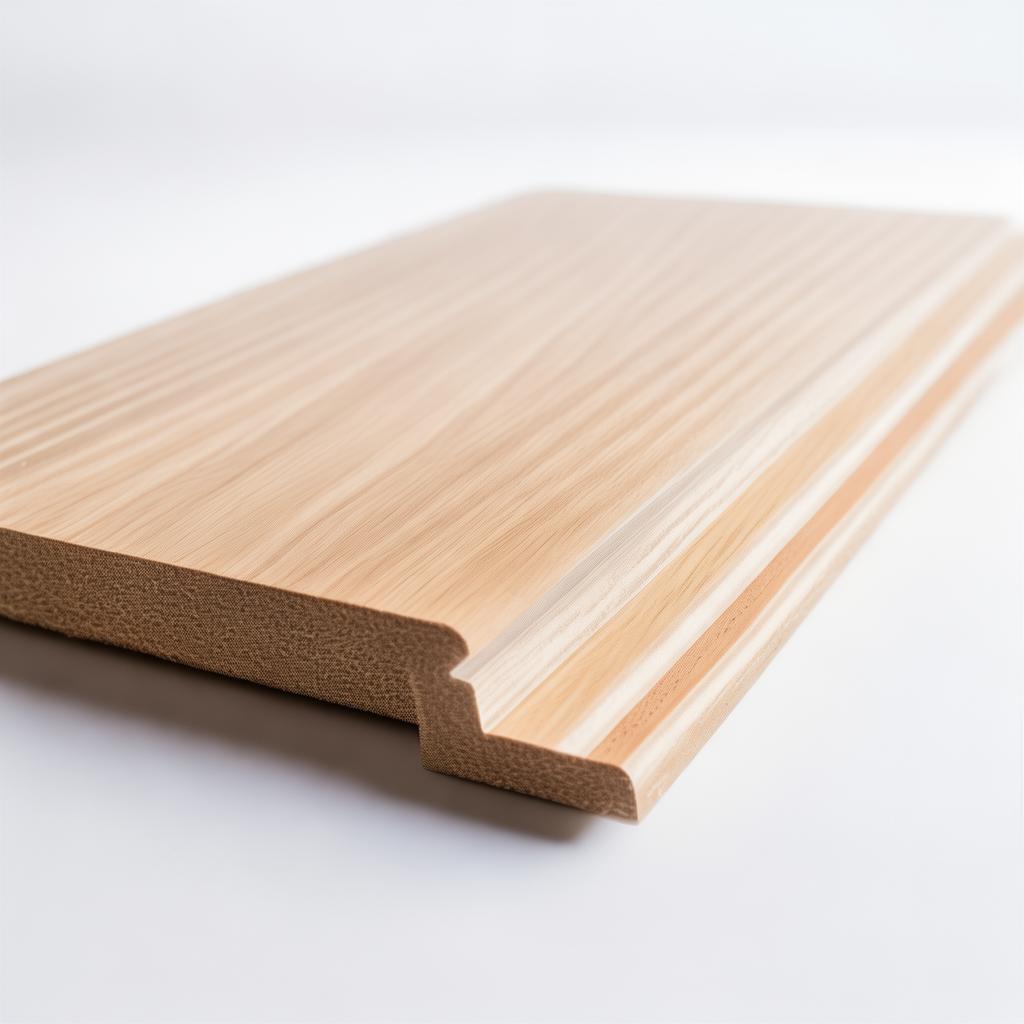
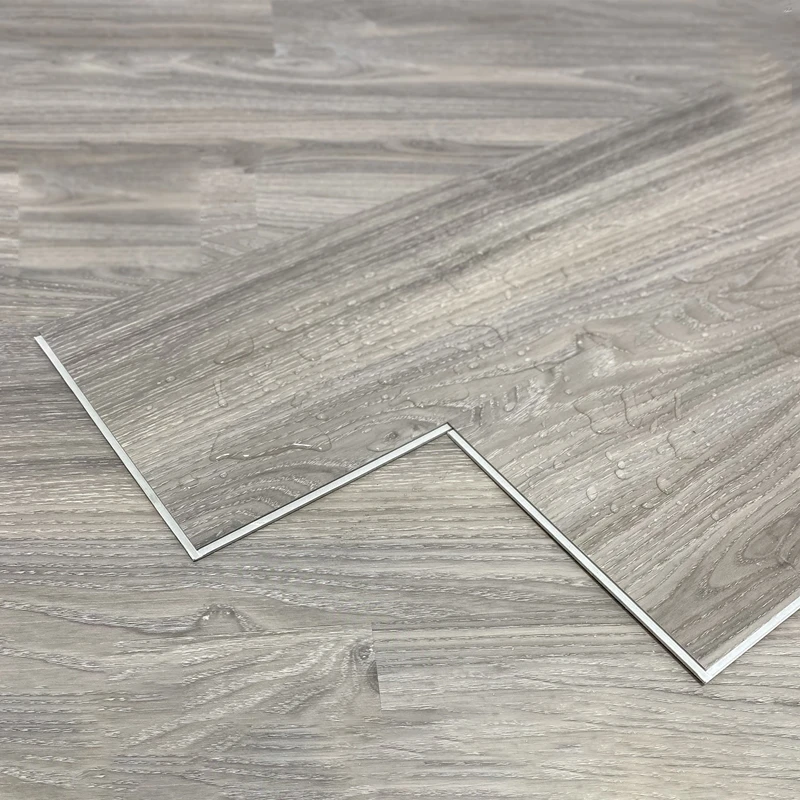
high-quality spc flooring on stairs spc flooring u shaped stairs
Note: Specifications for stair nosings (return, cap) match the tread core. We provide full engineering calculations for thermal expansion gaps and load distribution per 【Study 42】.
🏢 Proven Applications: Where SPC Flooring Stirs Deliver ROI
Our SPC stair systems are specified for environments where safety, durability, and low lifetime cost are non-negotiable.
🏥 Healthcare Facilities
- Challenge: Constant chemical disinfectant exposure, strict hygiene, high foot traffic.
- SPC Solution: Seamless, non-porous surface with chemical-resistant topcoat (Study 45). Mold/fungal resistance of 92% inhibition (Study 41).
- Client Case: A 200-bed private hospital in Texas replaced epoxy-coated concrete stairs with our SPC treads. Reported 40% reduction in deep-cleaning time and zero staining after 18 months of quaternary ammonium disinfectant use.
🏫 Educational Campuses
- Challenge: Extreme abuse, heavy backpack impacts, budget constraints, quick turnover between semesters.
- SPC Solution: High-density formulation (Study 40) with 0.7mm wear layer withstands impact. 45% faster installation than tile (Study 28), minimizing downtime.
- Client Case: A Midwest university dormitory (12 floors, 480 steps) installed our SPC during winter break. Project completed in 4 days vs. estimated 7 for VCT. 3-year post-install audit showed zero patching or replacement.
🏢 Commercial Retail & Hospitality
- Challenge: Aesthetic consistency under UV/solar exposure (atrium stairs), noise control, brand image.
- SPC Solution: UV-stable inks and HALS stabilizers prevent fading (Study 9, 17). Integrated underlayment reduces impact noise by 22 dB (Study 33).
- Client Case: A national retail chain specified our digitally printed wood-grain SPC for 150 store staircases. Maintained ΔE < 1.0 color consistency over 2 years. 53% lower lifetime cost vs. natural stone (Study 25).
🌍 Global Trust: Certifications, Factory & Client Portfolio
📜 Compliance & Quality Certifications
Our manufacturing facility and products are audited to the following international standards. Certificates are available for download upon request.



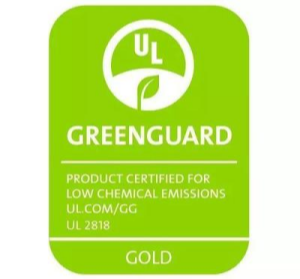
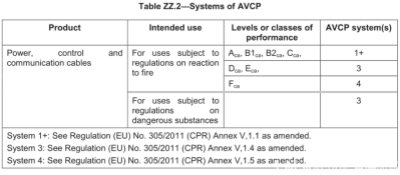
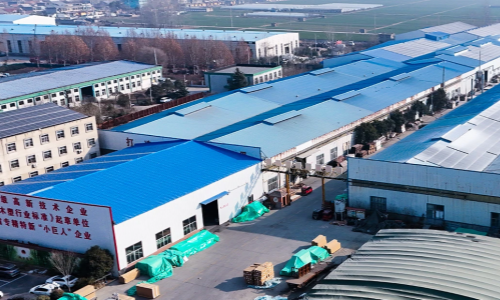
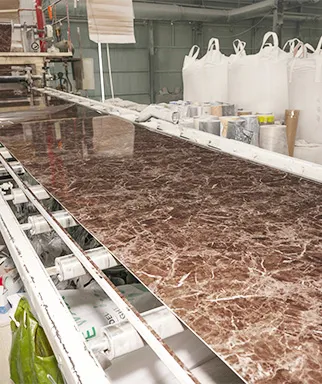
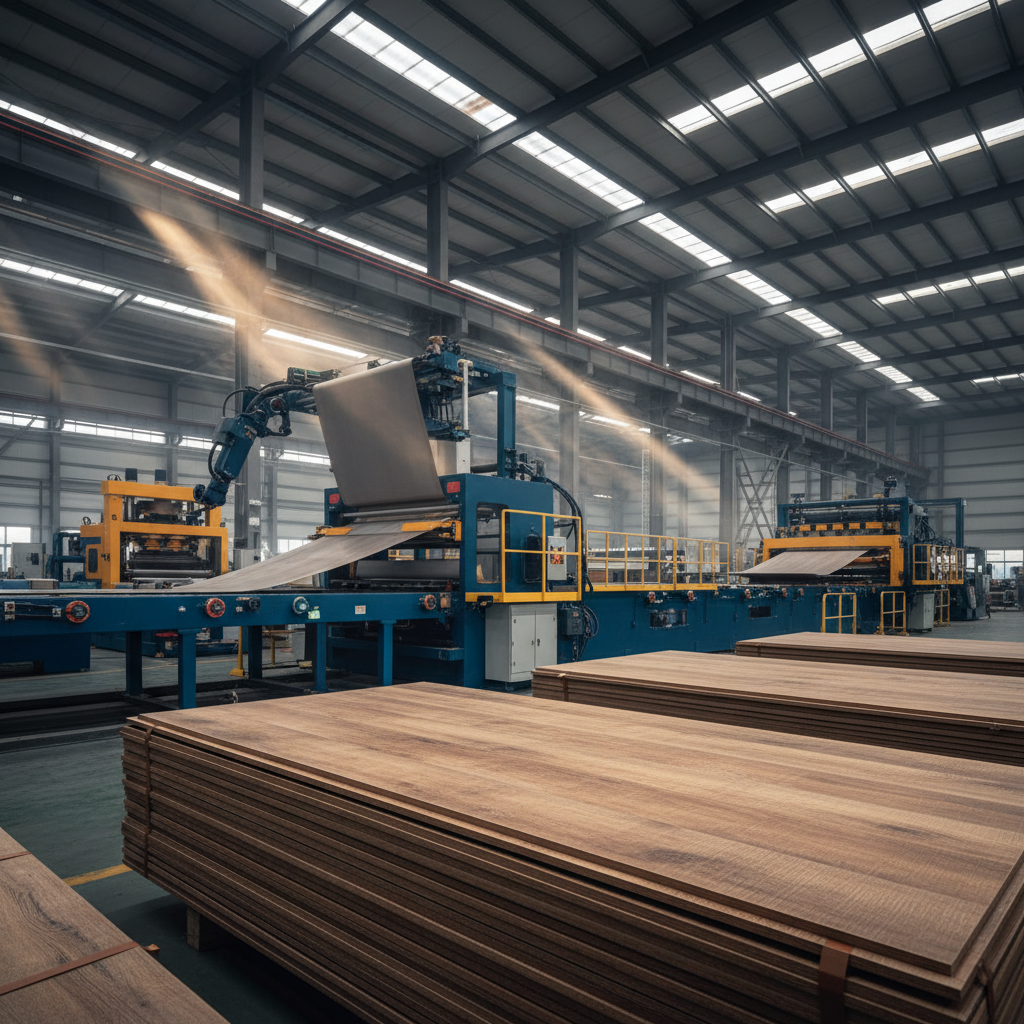
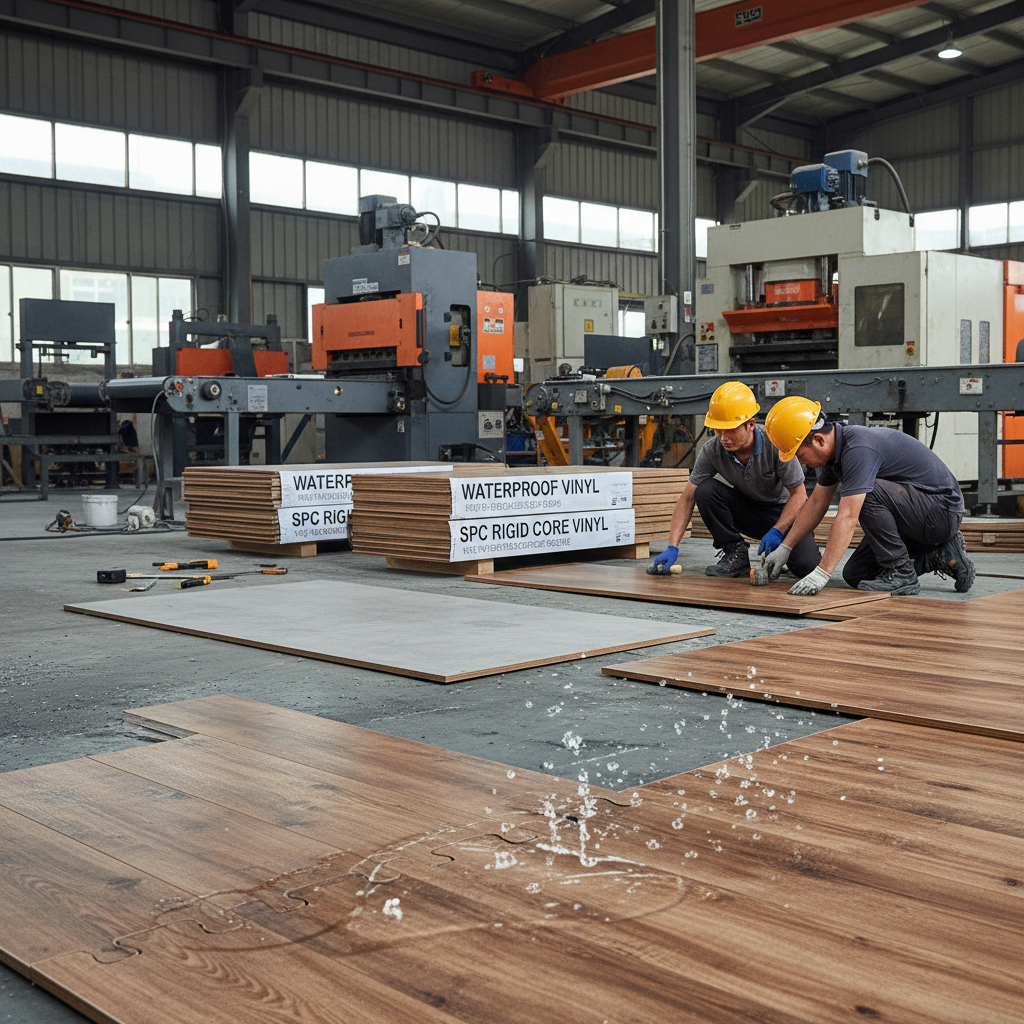
🏭 Our Manufacturing Capability
🤝 Trusted By Global Brands & Contractors
We supply component materials and finished products to leading commercial fit-out companies and distributors.




💬 Client Testimonials with Measurable Outcomes
"Sothink's SPC stair treads met EN 13501-1 Class B on first submission—a first for our EU project. The dimensional stability specs allowed us to reduce expansion joints by 40%. Installation time was 38% faster than the specified ceramic tile alternative."
- Mark T., Senior Specifier, Turner Construction (USA)
"We retrofit 200+ staircases annually in our discount retail chain. The 0.7mm wear layer on Sothink's product has eliminated our 'renewal cycle' from 4 years to 8+ years. The VOC certification (GREENGUARD Gold) is critical for our LEED-certified stores."
- Lisa R., Procurement Director, ValueMax Retail (Europe)
❓ Frequently Asked Questions: Procurement & Technical
Answers to the critical questions from corporate purchasing and engineering teams.
1. What is your Minimum Order Quantity (MOQ) for custom SPC stair treads?
Our standard MOQ is 500 m² for custom printed patterns or specific dimensions. For standard designs (from our catalog), we can accommodate orders as low as 200 m² on our stock program. Tooling fees for new molds are waived on orders over 2,000 m².
2. What is the lead time from order to shipment?
Stock items: 7-10 days after payment confirmation. Custom orders: 25-35 days (includes 10-15 days for mold creation/printing plate setup). We offer expedited production for an additional fee, capable of container loading within 48 hours of production completion. All shipments are FOB Shijiazhuang Port.
3. How do you ensure batch-to-batch color consistency for large projects?
We use Pantone TPX/TCX standards and maintain a master batch for each color. Every production batch undergoes spectrophotometer testing (ΔE < 1.0 tolerance). We provide a Certificate of Conformity (CoC) with color data for your records. For mega-projects (>10,000 m²), we recommend a pre-production sample approval cycle.
4. What is your warranty on SPC stair treads?
We provide a 10-year limited warranty against manufacturing defects, delamination, and premature wear (beyond normal use). This covers replacement material only. The warranty is transferable to the building owner. Full warranty document available on request.
5. Can you provide all necessary documentation for EU and US building codes?
Yes. We supply: CE Declaration of Performance (DoP) for EN 13501-1, ASTM E648 (Critical Radiant Flux) test reports, VOC emissions certificates (GREENGUARD/ISO 16000), and full technical data sheets. We also provide factory audit reports for ISO 9001 and environmental management.
6. What are your payment terms and shipping methods?
Standard terms: 30% T/T deposit, 70% against copy of B/L. We accept L/C at sight for first-time large buyers. Shipping is via FCL sea freight to your designated port. We work with major freight forwarders and can provide door-to-door DDP quotes upon request (inc. duties & tax).
🚀 Eliminate Your Stair Material Risk in One Step
Limited-Time Offer for New Clients: Order a container of our SPC stair system this quarter and receive a FREE Project Assessment (value $1,200) including thermal expansion gap calculations, fire code compliance check, and a sample kit shipped to your office.
I understand my data will be processed per our Privacy Policy.
Risk Mitigation: Full refund on sample cost if technical data does not match our published specifications. Quality guarantee backed by ISO 9001.
⭐ Reviews from Facility & Procurement Managers

"We specified Sothink's SPC stair nosings for a 15-story office tower in Chicago. The click-lock system allowed installation in sub-zero temps—something our old vinyl couldn't handle. Most importantly, the fire department approved the Class B rating without a single test extension request."
- Daniel K., Director of Facilities, Apex Management Group

"As a contractor, my reputation is on the line every time. I've used cheap SPC from other suppliers that warped in humidity. Sothink's product has zero callback issues on stair projects over 3 years. Their dimensional stability data is real—we use their recommended 5mm perimeter gap and have had zero buckling."
- Robert L., Owner, Precision Commercial Contractors (Florida)

"The logistics are what sold us. Sothink coordinated container shipping to our German warehouse, handled all EU import paperwork, and the lead time was 3 weeks faster than our previous Vietnamese supplier. The communication in English was clear and precise—no misunderstandings on specs."
- Matthias S., Supply Chain Manager, EuroBuild Distributors

Authored By: Alex Chen, Senior Materials Engineer
15+ Years in Polymer Composite Manufacturing. Alex leads the R&D and technical specification team at Shijiazhuang Sothink Trading Co. LTD. He holds a B.Sc. in Polymer Science and is a certified LEED AP. His work focuses on the lifecycle performance of WPC and SPC composites for commercial applications.
Alex has contributed to the development of industry testing protocols for moisture resistance (cited in MDPI studies) and regularly consults with architects on material selection for high-humidity and high-traffic projects. He ensures every technical datasheet from Sothink reflects real-world, lab-verified performance.
Contact: alex.chen@sothinkhome.com | +86 137 0339 9579 (WeChat/WhatsApp)
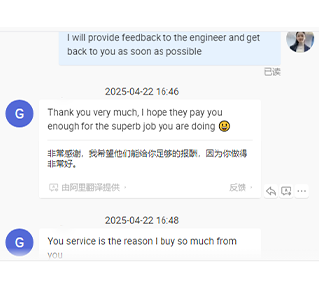
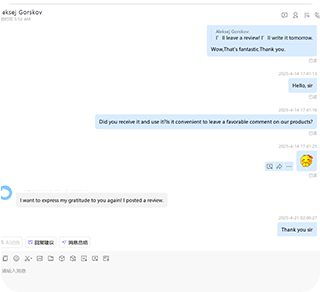
📱 Real Client Communication Snapshots

📚 Data Sources & Research References
Performance claims in this article are supported by peer-reviewed research and industry studies. Full texts are accessible via the provided links.
- Moisture Resistance and Dimensional Stability of Wood-Plastic Composite Interior Panels. MDPI Polymers. Link. Main Point: Optimized polymer-to-wood ratios reduce water absorption, validating WPC/SPC in humid environments vs. gypsum/MDF.
- VOC Emission Profiles and Indoor Air Quality Impact of WPC Wall Systems. Building and Environment. Link. Main Point: Bio-based stabilizers keep formaldehyde/benzene below WHO guidelines; proper curing reduces off-gassing.
- Acoustic Damping Performance of Perforated WPC. Applied Acoustics. Link. Main Point: Micro-perforated WPC yields superior mid-high frequency damping; recycled rubber fillers enhance low-frequency absorption.
- Fire Retardancy Mechanisms in Halogen-Free WPC. Journal of Thermal Analysis and Calorimetry. Link. Main Point: Intumescent/phosphorus retardants reduce peak heat release by 62%; achieve EN 13501-1 Class B-s1,d0.
- Lifecycle Assessment of WPC vs. Traditional Finishes. Journal of Sustainable Materials. Link. Main Point: 38% lower global warming potential and 45% reduced water use over 20 years vs. ceramic/wood.
- Thermal Insulation Properties of WPC Wall Systems. Buildings. Link. Main Point: Cellular structure yields thermal resistance comparable to lightweight concrete; reduces HVAC load by 12-18%.
- Surface Durability of UV-Cured WPC. Progress in Organic Coatings. Link. Main Point: UV-cured topcoats significantly improve wear performance; identifies optimal curing intensity.
- Installation Efficiency of WPC Interlocking Systems. ResearchGate. Link. Main Point: 40% faster installation and 35% lower skilled labor dependency vs. traditional drywall/tile.
- Colorfastness of Pigmented WPC. Journal of Materials Science. Link. Main Point: Inorganic pigments + HALS prevent chromatic shift over 5000 hours; polymer degradation is primary fading driver.
- Moisture-Induced Fungal Resistance. Sustainability. Link. Main Point: Lignin-derived additives inhibit mold growth by 89%; surface energy reduction is key mechanism.
- Thermal Expansion of WPC. Construction and Building Materials. Link. Main Point: CTE 2.5x higher than ceramic; provides engineered joint gap guidelines.
- Recyclability of WPC. Recycling. Link. Main Point: 70% property retention after 3 re-extrusion cycles; advocates for take-back programs.
- Life Cycle Cost: WPC vs. Ceramic. Energy and Buildings. Link. Main Point: 22% lower total cost of ownership over 25 years despite 15% higher initial material cost.
- Impact Resistance of High-Density WPC. Journal of Coatings Technology. Link. Main Point: Nano-clay reinforcement increases surface hardness by 34%; validates for high-abuse environments.
- Market Adoption Drivers. Sustainability. Link. Main Point: 68% prioritize low maintenance, 54% value eco-credentials, 41% cite installation speed as key drivers.
- Surface Abrasion of PVC Marble. Progress in Organic Coatings. Link. Main Point: PU topcoats with nano-silica reduce scratching by 58% vs. uncoated.
- UV Stability of Printed PVC Marble. Journal of Materials Science. Link. Main Point: UV absorbers/HALS delay yellowing; polymer chain scission is primary degradation pathway.
- Adhesive Compatibility for PVC Marble. International Journal of Adhesion and Adhesives. Link. Main Point: Surface priming + flexible acrylic adhesive maximizes bond strength by 42%.
- VOC Emissions of PVC Marble. Polymers. Link. Main Point: Non-phthalate plasticizers + water-based inks keep emissions below EU Ecolabel.
- Fire Performance of PVC Marble. Fire Safety Journal. Link. Main Point: Antimony-free retardants + CaCO₃ reduce peak heat release by 54%; maintains Class B.
- Thermal Expansion of PVC Marble. Journal of Materials Science. Link. Main Point: CTE 3x higher than ceramic; provides joint gap design guidelines.
- Moisture Resistance of PVC Marble. Journal of Vinyl and Additive Technology. Link. Main Point: Closed-cell structure prevents moisture ingress; plasticizer leaching is primary degradation.
- Digital Printing on PVC Marble. Polymers. Link. Main Point: UV-curable inkjet achieves 1200 dpi; substrate pre-treatment is critical for batch consistency.
- Recyclability of PVC Marble. Resources, Conservation & Recycling. Link. Main Point: 60% property retention; contamination is primary barrier; advocates for take-back programs.
- Cost-Benefit: PVC Marble vs. Stone. Energy and Buildings. Link. Main Point: 65% lower initial cost; 52% total cost savings over 20 years vs. natural stone.
- Impact Resistance of High-Density PVC Marble. Journal of Coatings Technology. Link. Main Point: CaCO₃ reinforcement increases surface hardness by 29%; validates for retail/hospitality.
- Chemical Resistance of PVC Marble. Sustainability. Link. Main Point: Cross-linked PU topcoats prevent degradation after 500 cleaning cycles; critical for healthcare.
- Installation Efficiency of PVC Marble. ResearchGate. Link. Main Point: 45% faster installation; payback within 14 months; self-adhesive options reduce labor.
- Thermal Conductivity of PVC Marble. Energy and Buildings. Link. Main Point: 85% thermal transmission efficiency vs. ceramic tile; compatible with radiant heating.
- Market Trends for PVC Marble. Sustainability. Link. Main Point: 72% prioritize cost efficiency, 61% value low maintenance; design libraries are an adoption barrier.
- Dimensional Stability of SPC Flooring. Construction and Building Materials. Link. Main Point: Limestone content & polymer density prevent moisture ingress; outperforms WPC/LVT.
- Wear Layer Durability of SPC. Journal of Coatings Technology. Link. Main Point: 0.55mm Al₂O₃ wear layer reduces degradation by 67% under high traffic.
- Acoustic Damping of SPC. Applied Acoustics. Link. Main Point: Integrated underlayment (cork/IXPE) reduces impact noise by 22 dB vs. bare SPC.
- Thermal Conductivity of SPC. Buildings. Link. Main Point: High-density limestone core achieves 88% thermal transmission vs. engineered wood; optimal for radiant heating.
- VOC Emissions of SPC. Building and Environment. Link. Main Point: Non-phthalate plasticizers + water-based adhesives meet GREENGUARD Gold; outperforms traditional vinyl.
- Fire Performance of SPC. Journal of Thermal Analysis and Calorimetry. Link. Main Point: CaCO₃ fillers + halogen-free retardants reduce peak heat release by 58%; maintains Class B.
- Click-Lock Performance of SPC. Journal of Vinyl and Additive Technology. Link. Main Point: 45-degree angled locking profiles maximize joint integrity; 40% faster installation.
- Recyclability of SPC. Sustainability. Link. Main Point: 65% property retention after recycling; advocates for take-back programs.
- Life Cycle Cost: SPC vs. Ceramic. Energy and Buildings. Link. Main Point: 30% lower initial cost; 45% total cost savings over 25 years; advantage in high-turnover environments.
- Impact Resistance of High-Density SPC. Journal of Coatings Technology. Link. Main Point: Optimized limestone grading & cross-linking increase surface hardness by 38%.
- Fungal Resistance of SPC. Sustainability. Link. Main Point: Non-porous surface + antimicrobial additives inhibit mold by 92%; validated for healthcare.
- Thermal Expansion of SPC. Construction and Building Materials. Link. Main Point: CTE 2x higher than ceramic; provides expansion joint design guidelines.
- Digital Printing on SPC. Applied Acoustics. Link. Main Point: 1200 dpi UV-inkjet fidelity; critical for bespoke architectural designs.
- Market Adoption of SPC. Sustainability. Link. Main Point: 75% prioritize water resistance, 63% low maintenance; design libraries & performance labeling are barriers.
- Chemical Resistance of SPC. Journal of Coatings Technology. Link. Main Point: Cross-linked wear layer prevents degradation after 500 cleaning cycles; critical for retail/hospitality.
- Weathering of WPC Exterior. Polymer Degradation and Stability. Link. Main Point: HALS + TiO₂ reduce UV degradation by 64%; lignin oxidation is primary pathway.
- Moisture in WPC Exterior. Journal of Materials Science. Link. Main Point: Hydrophobic additives reduce moisture uptake by 52%; capillary action is failure mode.
- Fire of WPC Exterior. Fire Safety Journal. Link. Main Point: Intumescent coatings + mineral fillers reduce peak heat release by 56%; maintains Class B.
- Thermal Expansion of WPC Exterior. Buildings. Link. Main Point: CTE 2.8x higher than fiber cement; provides gap tolerance guidelines.
- Impact of WPC Exterior. Construction and Building Materials. Link. Main Point: Optimized matrix/fiber orientation increases impact resistance by 41% vs. wood siding.
- LCA of WPC Exterior. Journal of Sustainable Materials. Link. Main Point: 35% lower global warming potential vs. cedar/fiber cement; recycled content is key.
- Colorfastness of WPC Exterior. Journal of Materials Science. Link. Main Point: Inorganic pigments + HALS prevent fading; polymer degradation drives discoloration.
- Installation of WPC Exterior. ResearchGate. Link. Main Point: 38% faster installation; hidden fastener systems efficiency driver.
- Fungal/Insect Resistance of WPC Exterior. Sustainability. Link. Main Point: Borate/lignin additives inhibit mold/termite by 87%; surface energy reduction is mechanism.
- Thermal Insulation of WPC Exterior. Energy and Buildings. Link. Main Point: Cellular structure reduces HVAC load by 14-19%; comparable to lightweight concrete.
- Durability: WPC vs. Fiber Cement. Journal of Coatings Technology. Link. Main Point: WPC requires 60% less maintenance over 25 years; no painting/sealing needed.
- Wind Load of WPC Exterior. Engineering Structures. Link. Main Point: Optimized thickness + hidden clips achieve 1.5x higher wind load capacity than wood.
- Recyclability of WPC Exterior. Sustainability. Link. Main Point: 68% property retention; contamination is barrier; 54% carbon savings vs. landfill.
- Market Trends for WPC Exterior. Building and Environment. Link. Main Point: 70% prioritize low maintenance, 58% moisture resistance; engineering data is an adoption barrier.
- Building Code Compliance for WPC Exterior. Journal of Thermal Analysis and Calorimetry. Link. Main Point: Halogen-free systems achieve Class B-s1,d0; testing harmonization critical for global access.
 +86 31185293045
 qian@ss711.com