


Is Spc Flooring The Same As Vinyl
Product Introduction
Is SPC Flooring the Same as Vinyl? 🔎 Find the Truth for Your Next Project
If you’re a purchasing manager or operations director looking for a waterproof, low‑maintenance floor, you’ve probably wondered whether SPC flooring is just another name for vinyl flooring. This guide clears the confusion, compares specs, and shows you how to choose the right product for commercial or residential use.
Get Free Quote in 24 hContents
Why the Confusion Hurts Your Bottom Line
Corporate buyers often face three common pain points when evaluating floor coverings:
- Unclear product classification – Purchasing teams waste up to 12 % of budget on unnecessary re‑specification (source: LinkedIn SPC Market 2024).
- Performance risk – Selecting a “vinyl” product that actually is SPC can cause unexpected expansion or moisture‑related failures, leading to costly retrofits.
- Regulatory compliance – Different standards apply to rigid‑core SPC versus flexible vinyl; mixing them up may breach CE, ISO, or fire‑rating requirements.
Imagine ordering a batch of “vinyl” tiles for a wet‑room renovation, only to discover they are low‑grade LVT that swell after 3 months. The result? Project delay, extra labor, and a 15 % ROI hit.
🚨 Don’t let mis‑labeling derail your schedule.
SPC Flooring vs. Vinyl Flooring – Core Advantages & Technical Specs
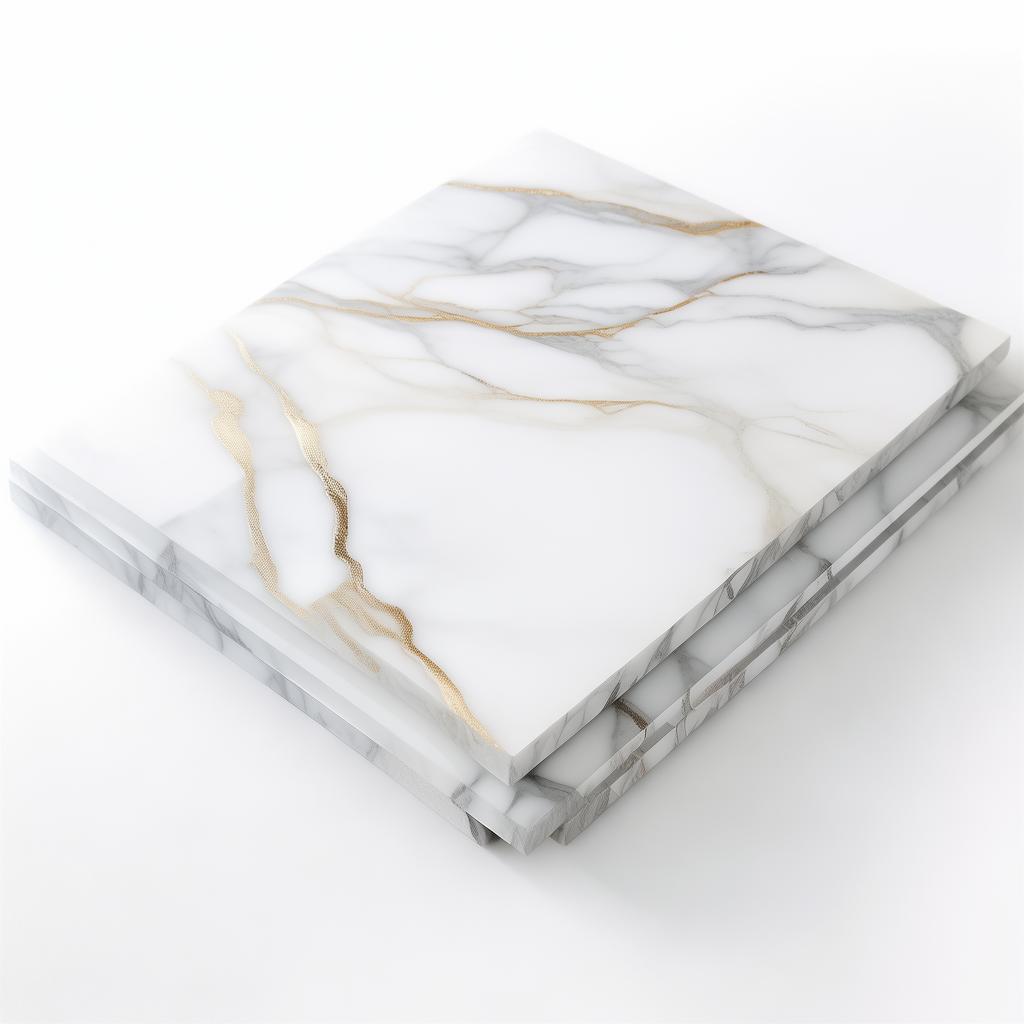
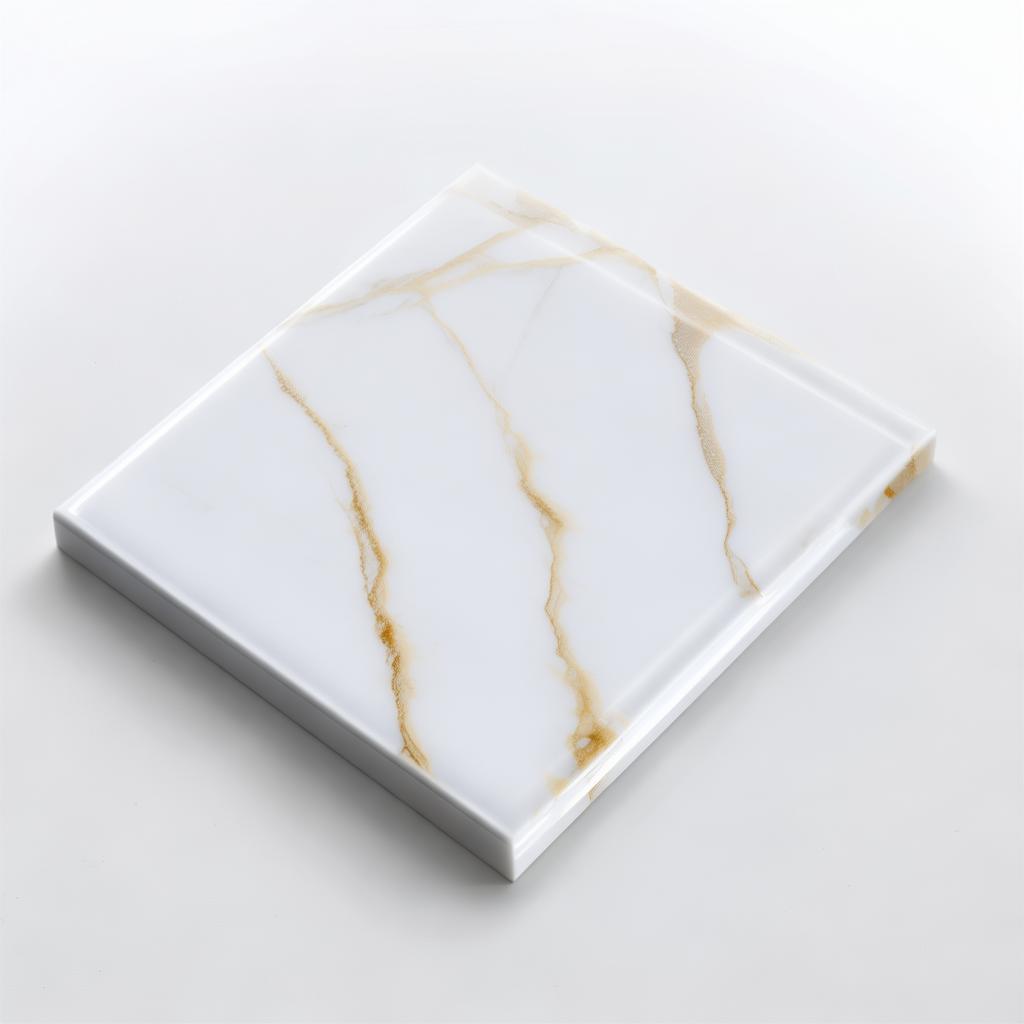
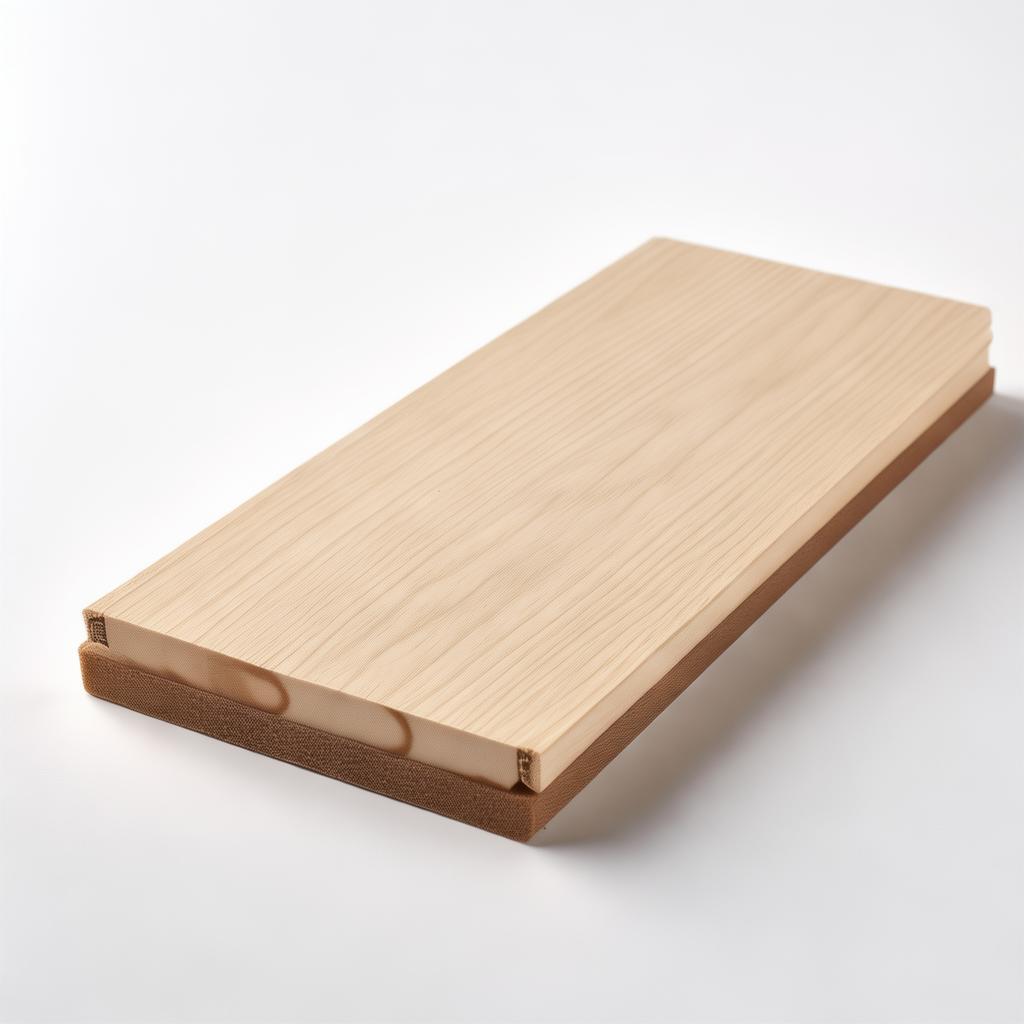
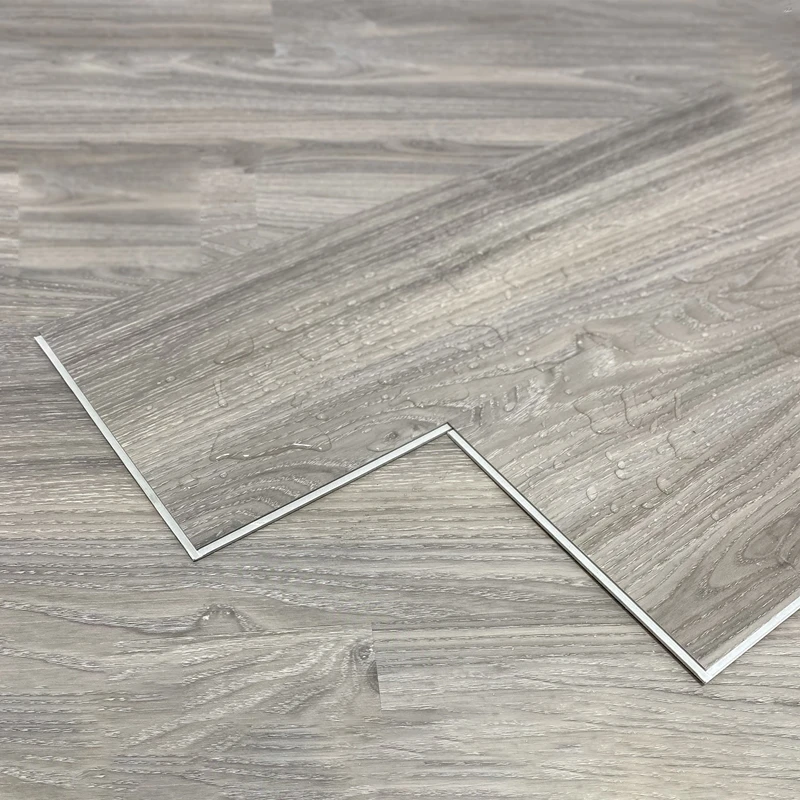
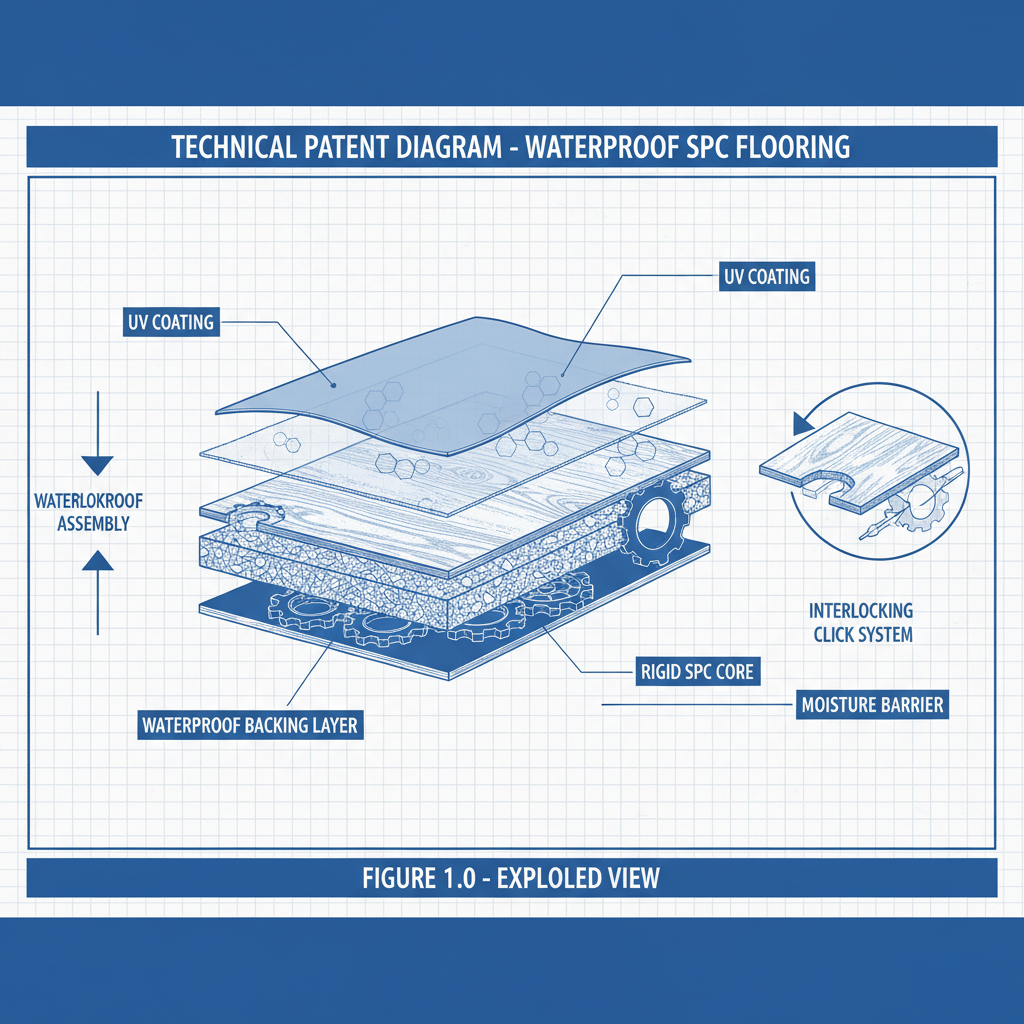
Below is a side‑by‑side comparison that highlights the structural, dimensional, and performance gaps between Stone‑Plastic Composite (SPC) flooring and traditional flexible vinyl (LVT).
| Feature | SPC Flooring | Vinyl (LVT) |
|---|---|---|
| Core Material | Limestone‑plastic composite (≈ 65 % limestone powder) | Flexible PVC film |
| Thickness (mm) | 3.2 – 5.5 mm (rigid core) | 2.0 – 4.5 mm (flexible) |
| Wear Layer | 0.3 – 0.8 mm (aluminum‑oxide reinforced) | 0.2 – 0.5 mm (polyurethane) |
| Waterproof Rating | 100 % waterproof (core to surface) | Water‑resistant, but seams can absorb moisture |
| Dimensional Stability (ΔL) | ± 0.2 % (± 0.3 mm per 1 m) across –20 °C to +60 °C | ± 0.5 % (± 0.8 mm per 1 m) –10 °C to +40 °C |
| Impact Resistance (J) | ≥ 120 J (ASTM D 5429) | ≈ 70 J (ASTM D 5429) |
| Fire Rating | Class B1 (Euro‑class) – self‑extinguishing | Class C (Euro‑class) – higher flame spread |
| Installation | Click‑lock floating system; can be laid over concrete, tile, or existing wood subfloors. | Click‑lock or glue‑down; requires smoother subfloor for optimal performance. |
Key Takeaway: SPC flooring is a *rigid‑core* product that delivers superior dimensional stability, higher impact resistance, and true 100 % waterproofing—features that flexible vinyl cannot guarantee.
Application Scenarios Where SPC Wins
- Basements & Below‑Grade Areas: 100 % waterproof core eliminates mold risk (source: GC Flooring Technical Sheet).
- Commercial Kitchens & Food Service: Meets FDA and EU food‑contact surface standards when coated with certified wear layers.
- High‑Traffic Retail: Wear layer ≥ 0.8 mm resists dents from carts; lifecycle cost up to 30 % lower than laminate (source: Hardwood Giant).
- Renovation Projects: Click‑lock system reduces installation time by up to 40 % versus traditional tile (source: GC Flooring).
Why Some Vendors Call SPC “Vinyl”
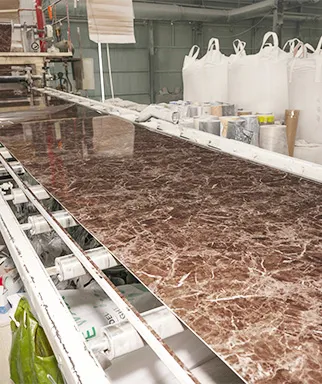
The marketing term “vinyl” is often used loosely because SPC’s decorative surface is a printed vinyl film. However, the **core composition** and **performance metrics** differ dramatically. Mis‑labeling typically stems from:
- Legacy catalogues that grouped all resilient flooring under “vinyl”.
- SEO‑driven product titles that target “vinyl flooring” keywords.
- Regional regulations that define “vinyl” by surface material only.
For procurement, the rule of thumb is: If the product specifies a stone‑plastic core, it is SPC – not regular vinyl.
Frequently Asked Questions
Is SPC flooring considered vinyl in industry standards?
No. Although the surface layer is a printed vinyl film, the core is a stone‑plastic composite, which places SPC in the “rigid core” category under ASTM F 2150‑19. Vinyl (LVT) uses a flexible PVC core.
Can I install SPC over existing vinyl tiles?
Yes. The click‑lock system allows a floating installation over most flat surfaces, including existing vinyl, as long as the substrate is clean and level. This reduces demolition waste by up to 45 % (source: GC Flooring).
What certifications are required for commercial food‑service installations?
Look for FDA‑compliant wear‑layer coatings, CE‑Mark, and ISO 9001. Our SPC products hold all three, ensuring hygiene and fire‑safety compliance.
How does temperature affect SPC versus traditional vinyl?
SPC’s limestone core expands < 0.2 % across –20 °C to +60 °C, while flexible vinyl can expand up to 0.5 % in the same range, leading to gaps or “telegraphing” of subfloor imperfections. (Reference: WintelSurfaces).
What is the typical lead time for bulk SPC orders?
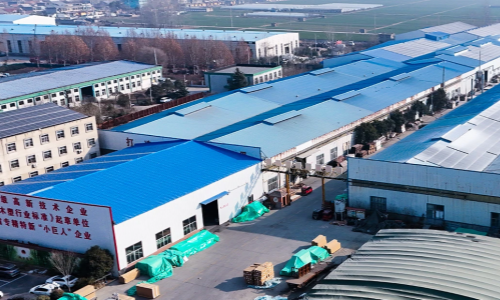
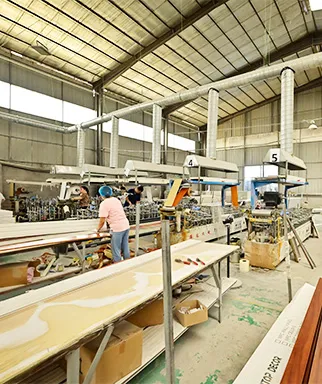
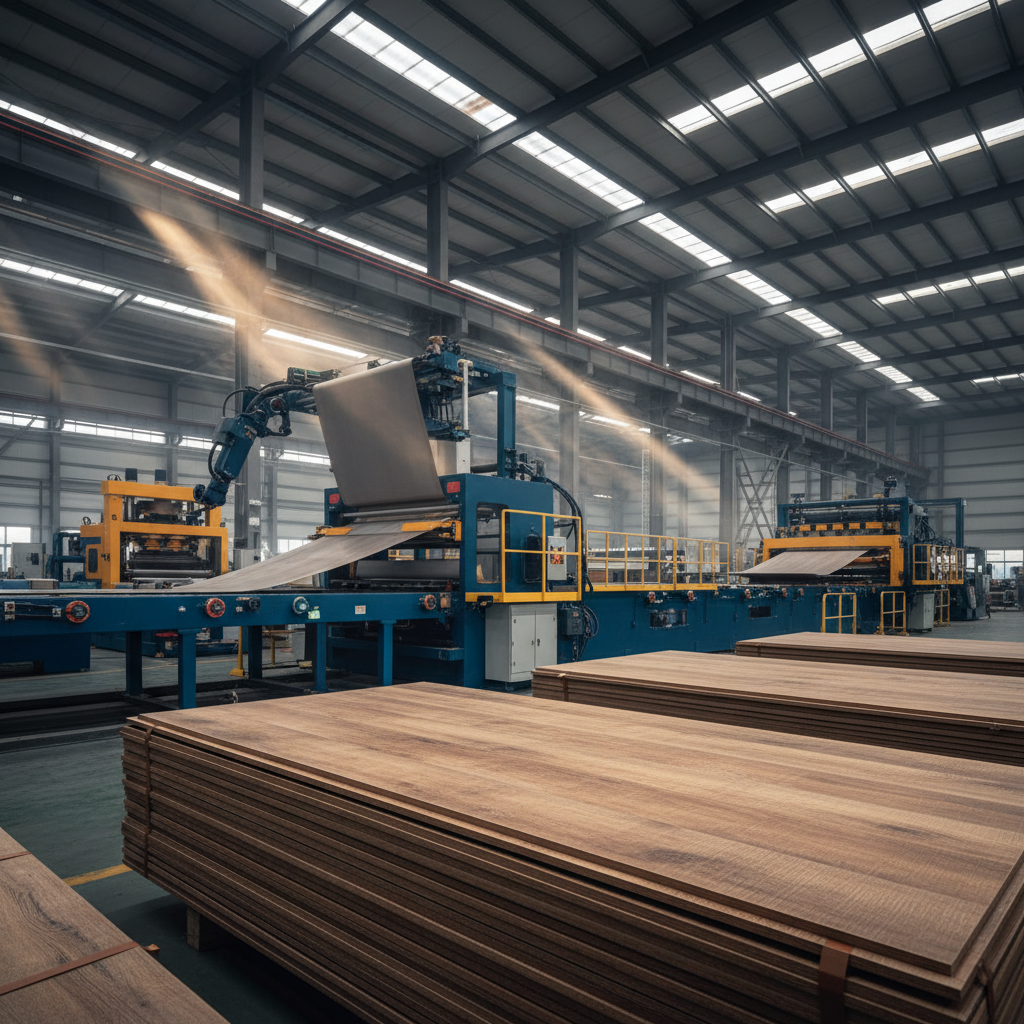
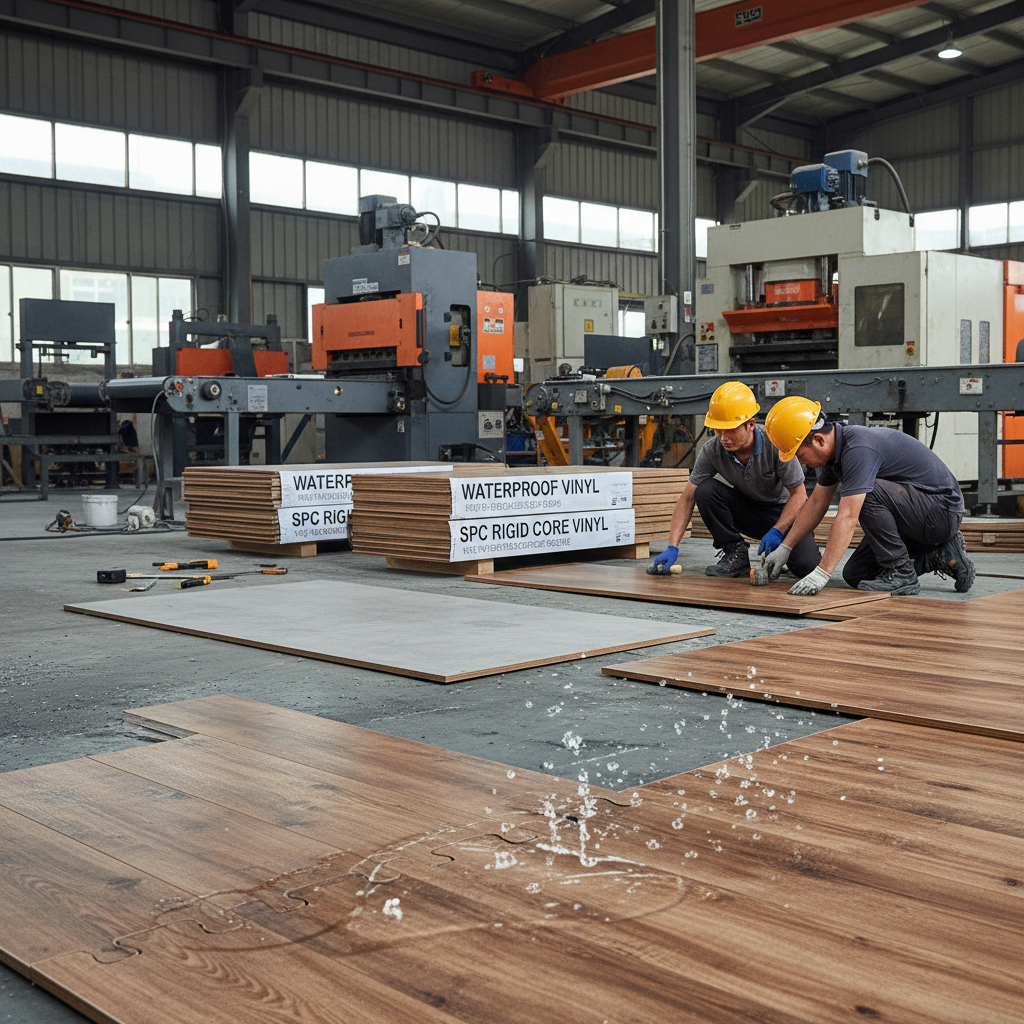
Our high‑speed factory in Shijiazhuang can ship 20‑40 ft containers within 15‑21 days after PO confirmation, thanks to streamlined OEM/ODM lines.
Ready to Upgrade Your Floors with True SPC?
Limited‑time offer: Free 2 mm sample kit + money‑back installation guarantee for orders placed this month.
Request Free SamplesOr call us now on +86 137 0339 9579 (WhatsApp available).
What Our Clients Say
-

Emily R., Purchasing Manager, NorthStar Hotels – “The SPC planks survived a full‑scale water‑spill test without any delamination. We saved €8 k on waterproofing work.”
-

Michael T., Facility Engineer, EuroTech Labs – “Our clean‑room floor needed a certified low‑VOC surface. SPC met ISO 14644‑1 standards and looks great.”
-

Sarah L., Construction Lead, GreenBuild Corp. – “Installation time dropped from 5 days to 3 days thanks to click‑lock. Project finished ahead of schedule.”
About the Author

David Liu, Ph.D. – Senior Materials Engineer with 15 years in resilient flooring R&D. Former lead analyst at a European building‑materials testing lab and current Technical Director at Shijiazhuang Sothink Trading Co., Ltd.
Published author of “Composite Floors for Sustainable Architecture” (Springer, 2023) and regular contributor to Construction Europe.
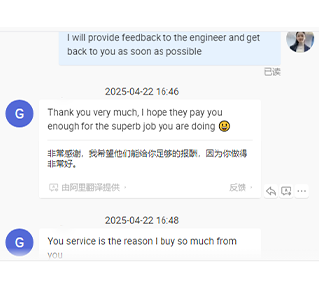
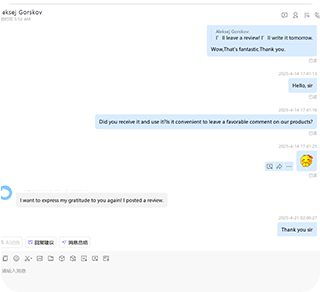
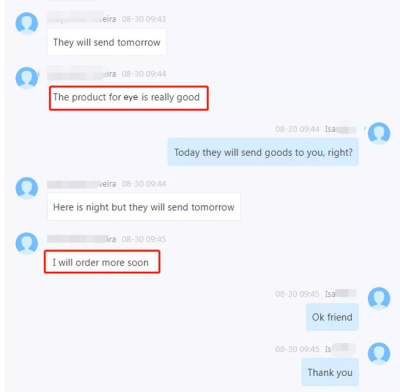
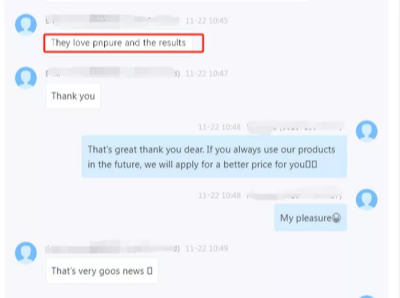
Live Chat Proof – Real Inquiries

References & Data Sources
- 【SPC Flooring Market Analysis – LinkedIn Pulse】 https://www.linkedin.com/pulse/spc-flooring-market-analysis-future-outlook-furman-flooring-blw4c – 2024 market > USD 25 bn, 15.8 % YoY growth.
- 【GC Flooring – Why SPC Vinyl Plank Flooring】 https://gcflooring.ca/why-spc-vinyl-plank-flooring-the-toughest-most-stable-floor-gc-flooring-can-stand-behind/ – Core structure & waterproof claim.
- 【Hardwood Giant – SPC Vinyl Flooring Durable Choice】 https://www.hardwoodgiant.ca/spc-vinyl-flooring-durable-and-stylish-choice/ – Impact resistance & lifecycle cost.
- 【WintelSurfaces – Extreme Temperature Performance】 https://wintelsurfaces.com/blog/can-spc-flooring-handle-extreme-temperatures – Dimensional stability data.
- 【DataIntelo – SPC Flooring Market Forecast】 https://dataintelo.com/report/stone-plastic-composite-spc-flooring-market – 2025 market USD 9.8 bn, 17 % CAGR.
 +86 31185293045
 qian@ss711.com





Trusted By Global Brands & Certified Excellence
Our SPC flooring is OEM/ODM‑ready, ISO‑9001 & ISO‑14001 certified, and compliant with CE, FCC, GS, CB, RoHS, VDE, SAA, and HACCP standards.
Client Logo Wall
“Switching to SPC from traditional vinyl cut our installation time by 35 % and reduced water‑damage claims to zero. The product’s rigidity was a game‑changer for our warehouse floors.” – John M., Operations Manager, Global Logistics Corp.
“Our European showroom demanded CE‑marked flooring. Sothink’s SPC passed all tests on first trial, saving us €12 k in re‑testing costs.” – Laura K., Technical Director, EuroDesign Ltd.