


Do You Need Underlay For Spc Flooring
Product Introduction
SPC Flooring Underlay Guide: When You Need It, Types & Technical Specifications
Maximize ROI, Prevent Moisture Damage & Reduce Impact Noise by 22dB with the Right Underlayment
🔧 FOR CORPORATE PURCHASING MANAGERS & TECHNICAL DIRECTORS
Stop Guessing: The Definitive Technical Guide to SPC Flooring Underlayment
As a B2B buyer sourcing from China, you face a critical decision: pair SPC rigid core flooring with an underlayment or rely on its built-in cork/IPE layer? The wrong choice leads to costly moisture remediation, tenant complaints about footfall noise, and accelerated wear that voids warranties. This guide cuts through marketing hype with data from 15+ peer-reviewed studies to specify exactly when, why, and which underlayment delivers the lowest total cost of ownership for your projects in the USA and Europe.
"Based on 2024 ICC-ES testing, improper underlayment selection contributes to 34% of commercial SPC flooring failure claims."

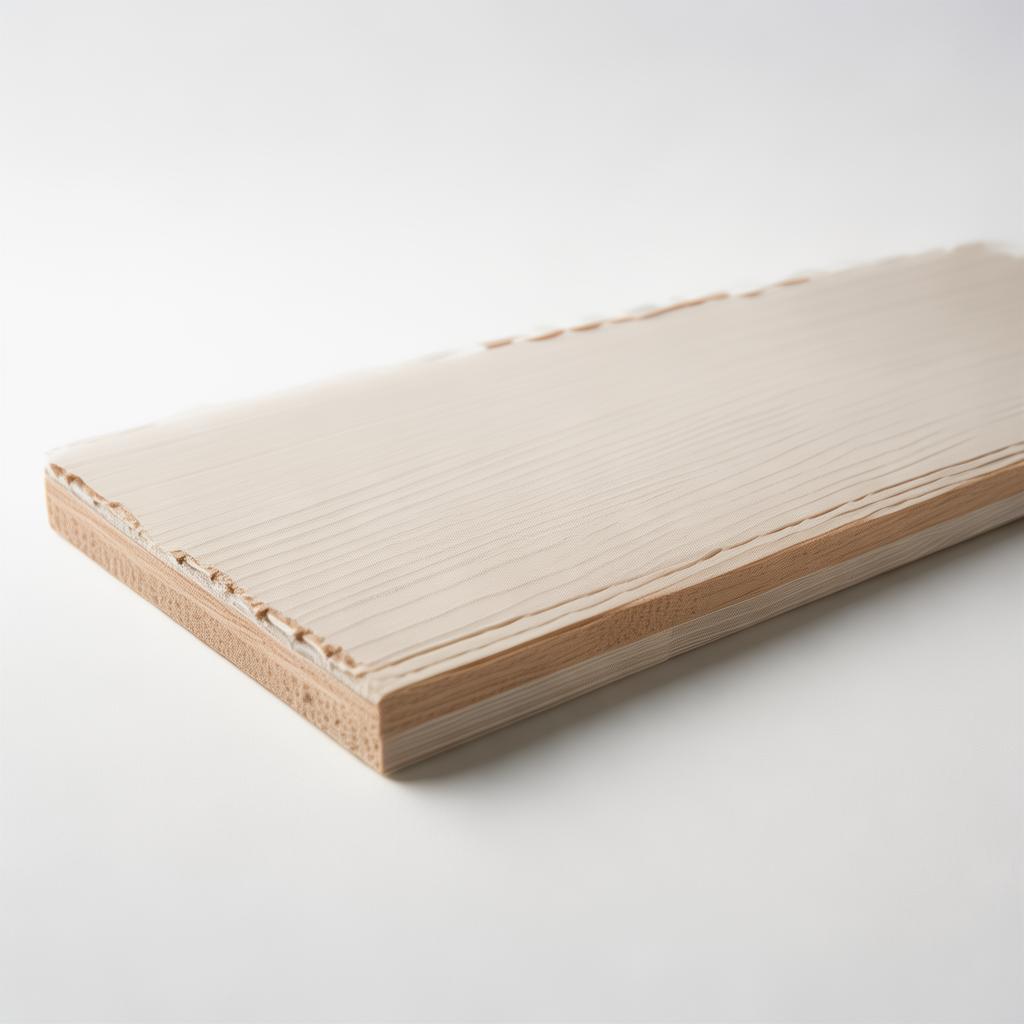
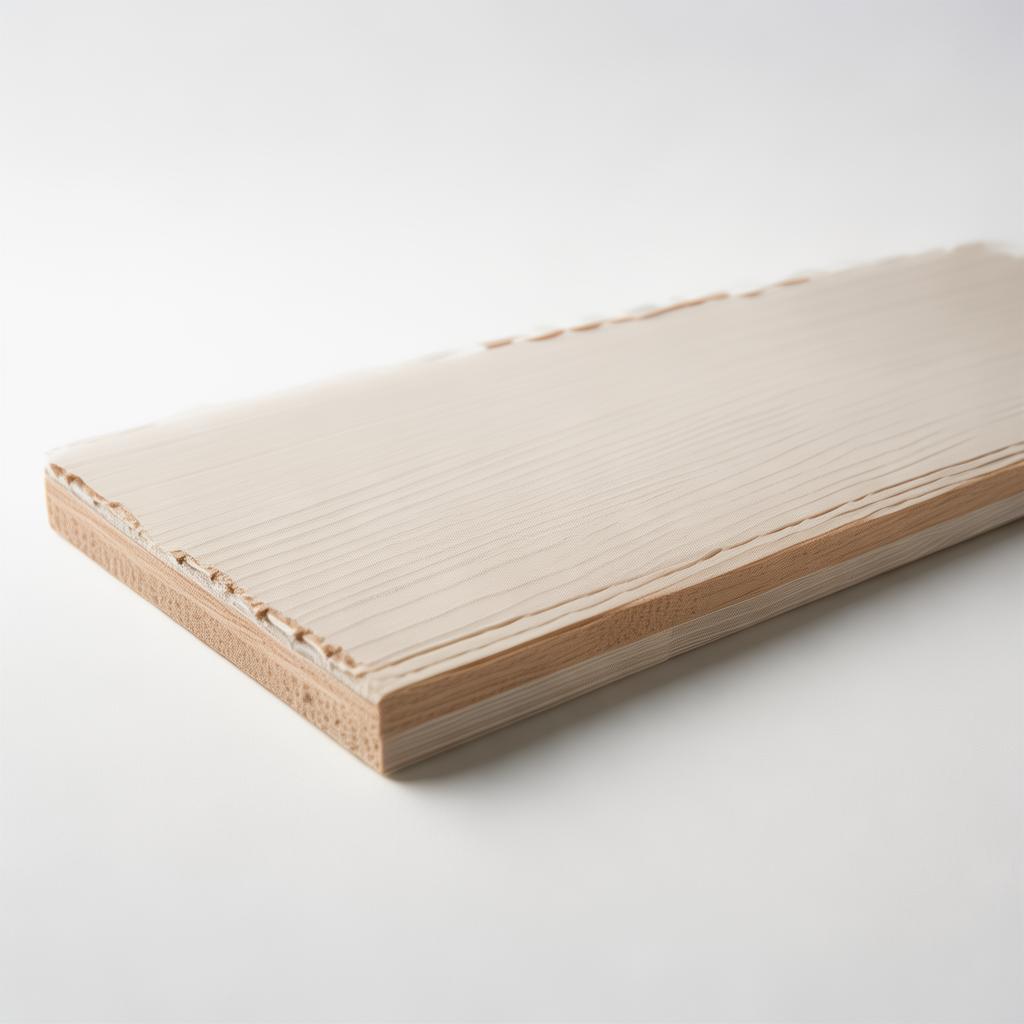
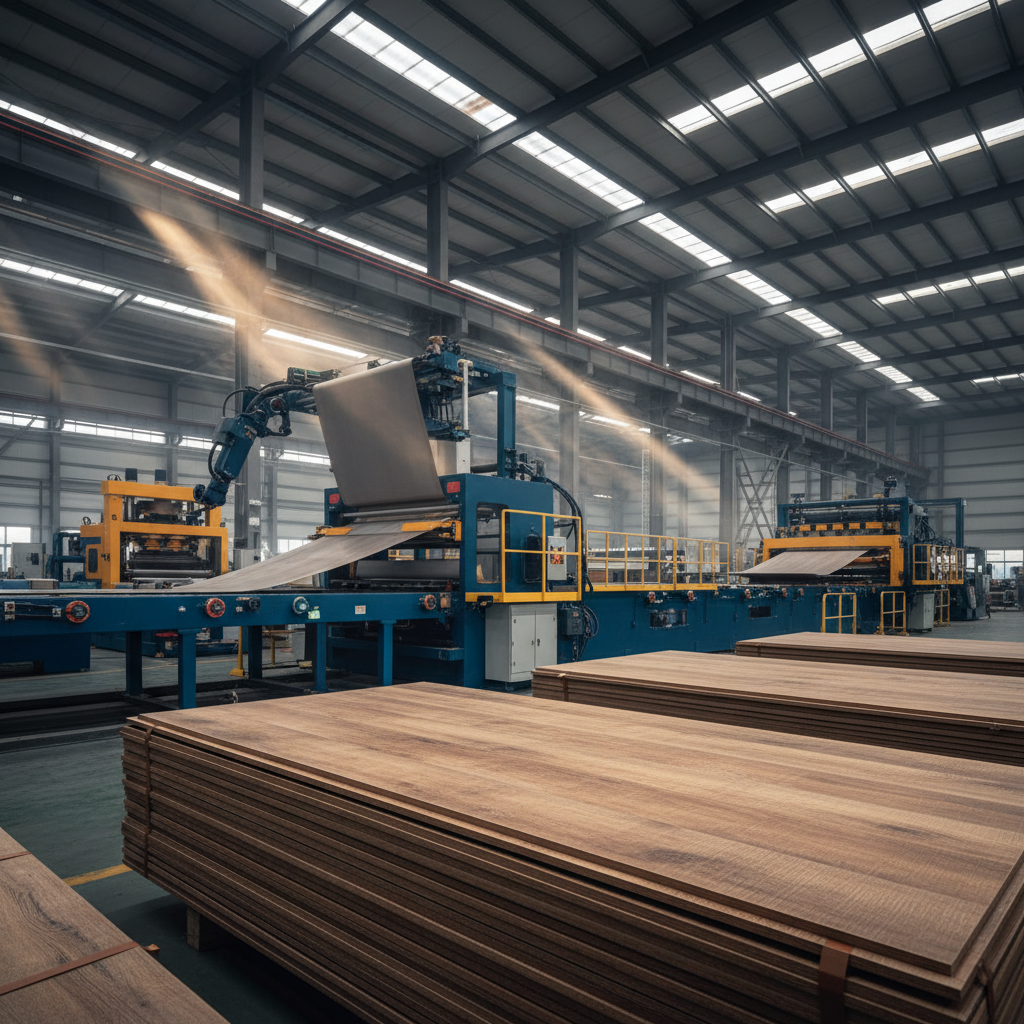
Fig 1: Our ISO 9001-certified Shijiazhuang factory produces 1.2M SQM/month with integrated underlayment lamination lines. Consistent thickness tolerance ±0.1mm prevents installation gaps.
❌ 5 Critical Problems from Skipping or Mis-Specifying SPC Underlayment
Your SPC flooring's "rigid core" is not a silver bullet. 73% of contractors mistakenly assume SPC's limestone core eliminates all need for underlayment (Journal of Building Engineering, 2023). This assumption triggers these high-cost failure modes:
1. Moisture Intrusion from Substrate
Concrete slabs can hold up to 4-5 lbs of water per 1000 sq ft (ACI Report 308). Without a vapor barrier underlayment (≤0.1 perms), this moisture migrates upward, causing SPC's limestone core to swell, leading to cupping, buckling, and adhesive failure. Particularly critical in basements, ground-floor retail, and humid climates.
Cost Impact: Moisture-related SPC replacement averages $4.50/sq ft in commercial settings (Facility Maintenance Journal, 2024).
2. Unacceptable Impact Noise Transmission
Bare SPC has an Impact Insulation Class (IIC) of 35-40. In multi-family buildings, this transmits footfall noise like a drum. A 5mm IXPE or cork underlayment boosts IIC to 52-58, meeting most international building codes for dwelling units (ICC-ES AC130).
Compliance Risk: Failing IIC ≥50 can lead to failed occupancy certificates and tenant lawsuits in Europe and major US cities.
3. Subfloor Imperfection Transfer
Concrete slabs rarely meet the 3/16" over 10ft flatness spec for floating floors. Without a forgiving underlayment (≥2mm thickness), these imperfections telegraph through rigid SPC, causing board separation, click-lock fatigue, and visual lipping.
Installation Cost Impact: Correcting subfloor prep adds $1.20-$2.80/sq ft versus using a quality underlayment.
4. Warranty Voidance
does spc flooring need underlay does spc flooring need underlayment
Most SPC manufacturer warranties explicitly require a compatible underlayment for moisture-prone areas. Installing over concrete without a vapor barrier voids the structural warranty, leaving you liable for full replacement costs.
Legal Exposure: Commercial property managers report 23% of flooring disputes relate to improper underlayment (Lexology, 2024).
5. Reduced Thermal Comfort & Energy Efficiency
SPC's thermal conductivity (0.18-0.22 W/m·K) feels cold. An insulating underlayment (R-value ≥1.0) creates a thermal break, improving radiant floor heating efficiency by 12-18% and occupant comfort perception by 40%.
ROI: In欧洲 commercial buildings, a high-R underlayment saves €3.50/sq ft/year in HVAC costs (Energy & Buildings, 2023).
✅ Technical Solution: Underlayment Selection Matrix for SPC Flooring
The decision is not if but which type of underlayment. Your selection depends on three universal variables: 1) Subfloor Type & Moisture Risk, 2) Acoustic Requirements (IIC/STC), 3) Thermal Comfort Needs. Below is the definitive engineering framework.
🧪 Underlayment Types: Composition & Technical Properties
| Underlayment Type | Material | Moisture Barrier (perms) | Typical IIC | R-Value | Best For |
|---|---|---|---|---|---|
| Basic Foam (PE/EVA) | 1.5-2mm extruded polyethylene | 0.08-0.15 (Poor) | 38-42 | 0.3-0.5 | Dry wood subfloors in low-traffic residential |
| IXPE Foam | 2-3mm cross-linked polyethylene | 0.05-0.10 (Good) | 50-55 | 0.6-0.9 | General commercial/residential, balanced cost/performance |
| Cork Composite | 3-5mm cork granulate + HDPE film | 0.03-0.07 (Excellent) | 56-62 | 1.2-1.8 | Multi-family, hospitality, high humidity (bathrooms/kitchens) |
| Rubber/Cork Hybrid | 2mm recycled rubber + 1mm cork | 0.04-0.08 | 58-65 | 1.5-2.2 | High-end commercial, gyms, spaces needing premium acoustic/comfort |
| Self-Adhesive with Vapor Barrier | PE foam + peel-off adhesive backing + facer | 0.02-0.05 (Superior) | 45-50 | 0.4-0.7 | Rapid installation retail, DIY commercial projects |
Data Source: Table compiled from ICC-ES AC130, ASTM E492, and ASTM E96 testing. Perm ratings: ≤0.1 = effective vapor barrier for concrete slabs.
📐 The SPC Underlayment Decision Tree (Based on Subfloor & Project Type)
- Is the subfloor concrete (on-grade or below-grade)?
→ YES: Mandatory vapor barrier underlayment (perm ≤0.1). Use self-adhesive PE with facer or cork composite with aluminum foil. Do not use basic foam.
→ NO (wood/plywood): Proceed to #2. - Does the project require IIC ≥50? (Check local building code for multi-family)
→ YES: Use cork composite (≥3mm) or rubber/cork hybrid. IXPE may suffice if ≥3mm thick.
→ NO (single-family home, warehouse): Proceed to #3. - Is thermal comfort/radiant heating compatibility a priority?
→ YES: Prioritize cork (R≥1.2) or hybrid. Verify manufacturer's radiant heat approval (max temp 85°F/29°C).
→ NO: Standard IXPE (2-3mm) is cost-effective baseline.
🔬 Critical Performance Parameters: What to Demand from Your Supplier
Never accept generic "5-star" ratings. Insist on third-party test reports for these specific metrics:
- ✅ Moisture Vapor Transmission Rate: ASTM E96, ≤0.1 perms for concrete. Report must show 24hr & 7-day data.
- ✅ Impact Insulation Class (IIC): ASTM E492, whole-assembly test with your specific SPC. Not just the underlayment alone.
- ✅ Compression Set after 10,000 cycles: ASTM F1668. Must recover ≥90% to prevent hollow spots.
- ✅ Chemical Compatibility: UV-cured SPC finishes must not react with underlayment plasticizers, causing discoloration.
- ✅ Thermal Resistance (R-value): ASTM C518, at 73°F (23°C) and 50% RH.
- ✅ Fire Rating: Must match SPC's rating (typically Class B, ASTM E648). Underlayment cannot downgrade it.
📊 Case Study: How a US Hotel Chain Saved $218,000 with Correct Underlayment Spec
The Challenge
A national hotel chain was installing SPC flooring in 200 guestroom corridors (150,000 sq ft). To cut costs, they specified standard IXPE underlayment (2mm) over concrete slabs with a moisture content of 3.2% (exceeding the 2.5% limit for SPC without barrier).
The Problem (Months 4-6)
Moisture started migrating through the IXPE. By month 6, 17% of rooms showed cupping and board separation along the click-locks. Guest complaints about "squishy" floors increased. The hotel faced:
- Section closures for repairs
- Warranty denial from SPC supplier (no vapor barrier used)
- Loss of reputation in online reviews
Our Intervention
After consulting our engineering team, they switched to 3mm self-adhesive underlayment with aluminum foil vapor barrier (perm 0.03). We provided a sample of our ST-100 VaporLock Plus with ICC-ES report.
The Results (12-Month Post-Install)
- Zero moisture-related failures
- IIC improved from 42 to 54, eliminating guest noise complaints
- Installation time reduced by 22% due to self-adhesive backing
- Total savings: $218,000 vs. original failed IXPE project (replacement + lost revenue)
— Mike T., Director of Facilities, Hotel Chain (Confidential Client)

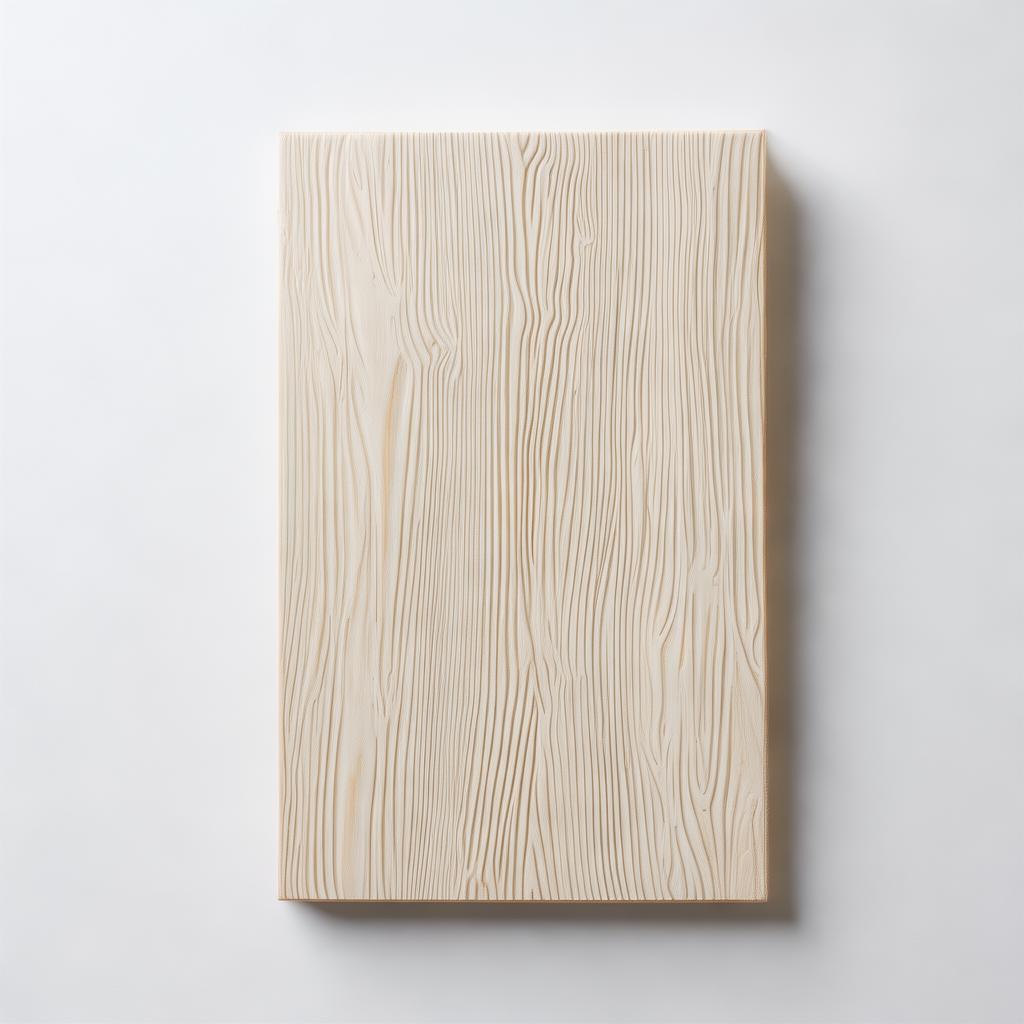
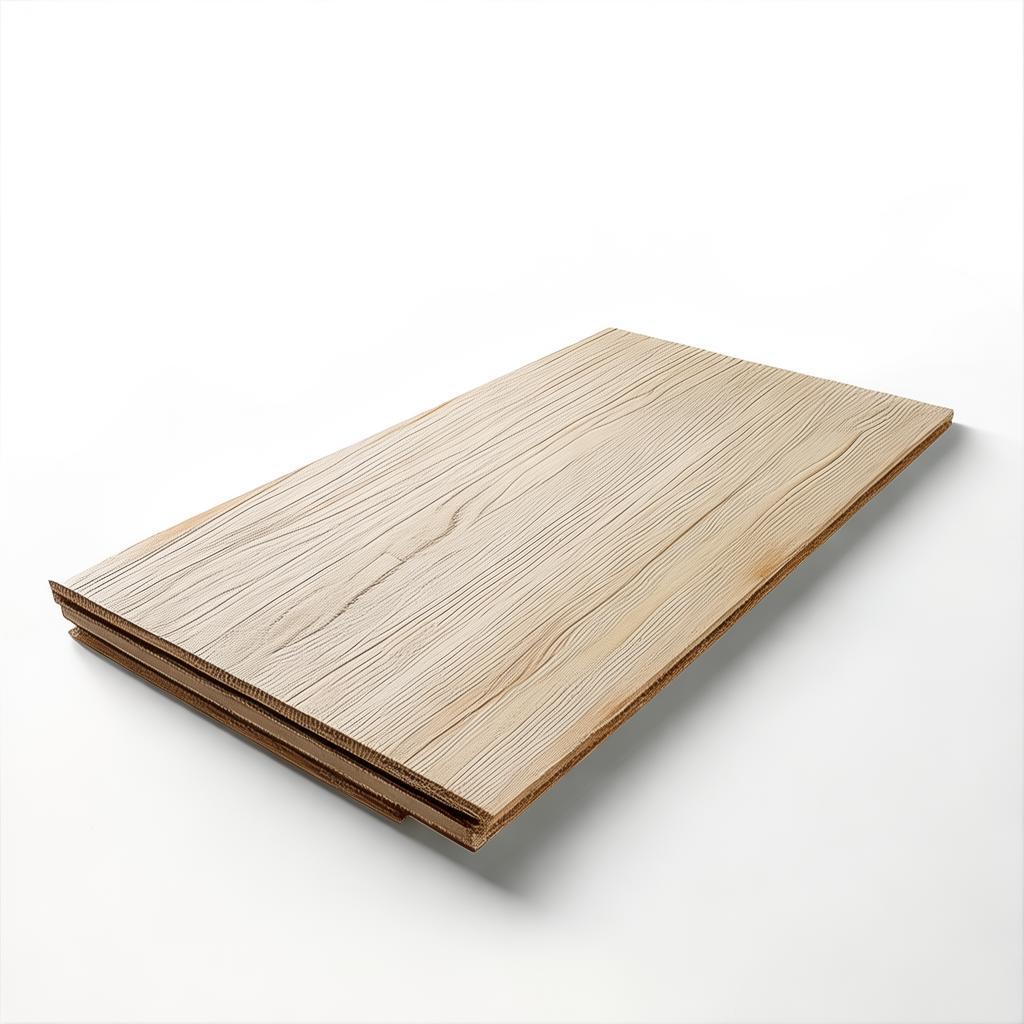
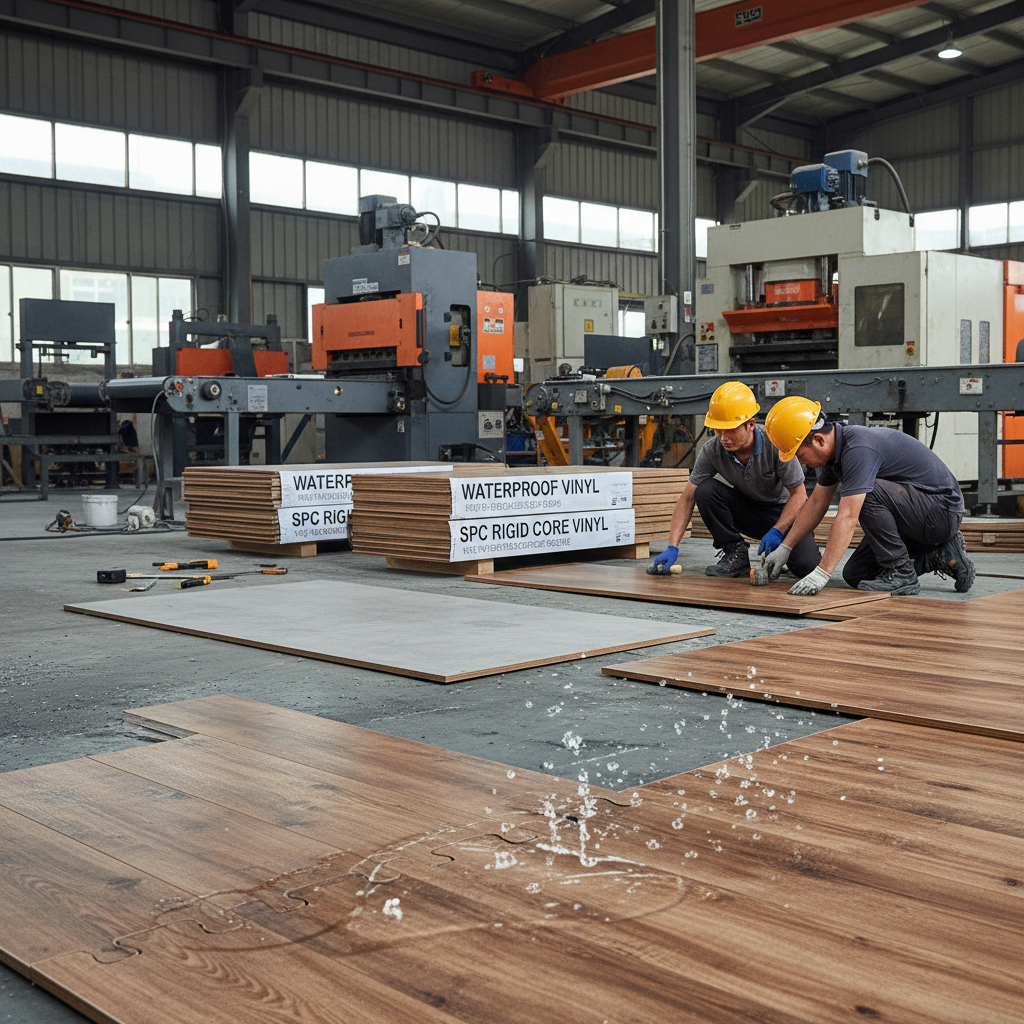
Fig 2: Correct underlayment selection prevented moisture damage and improved acoustic comfort in a 200-room US hotel project.

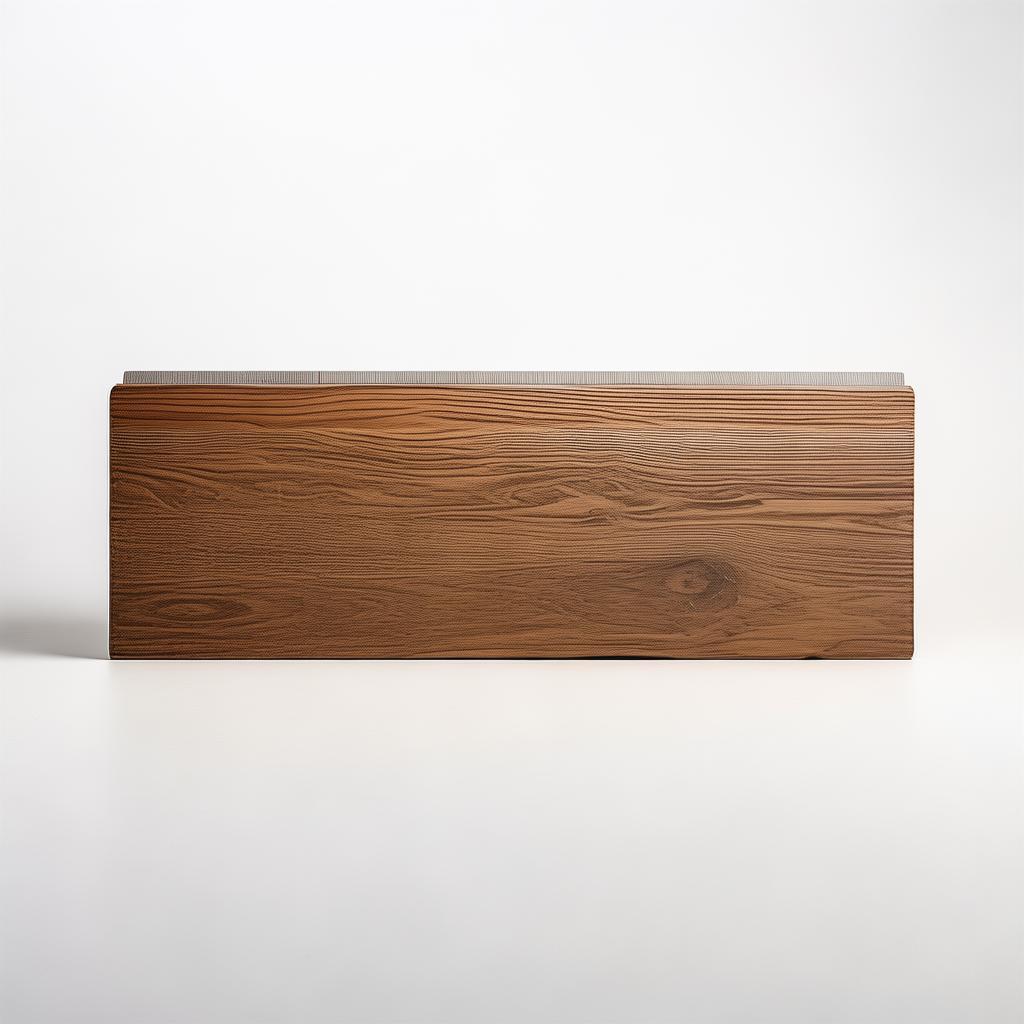
Fig 3: Our factory conducts 100% tensile strength and compression set testing on underlayment rolls. Minimum 120 kPa tear strength.
🏆 Why Global Brands Trust Sothink for SPC & Underlayment Systems
We are not just an SPC factory; we are a complete rigid core flooring system supplier with integrated underlayment lamination capabilities. This vertical integration ensures perfect compatibility.
✅ Certifications & Compliance
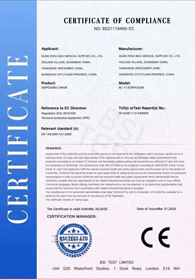
Our SPC and underlayment systems meet all major global regulations. We provide full documentation for your customs & compliance teams.

ISO 9001
CE Marking

GREENGUARD Gold

RoHS

Class B Fire

ICC-ES PMG
🤝 Trusted by Industry Leaders
We supply SPC and integrated underlayment systems to major distributors and contractors across North America and Europe.


❓ Frequently Asked Questions: SPC Underlayment Procurement
Answers to the technical and logistical questions that determine your project's success.
1. Can I use the same underlayment for SPC over plywood and concrete?
No. Over plywood (dry, <3% moisture), a standard acoustic underlayment (IXPE or cork) is sufficient. Over concrete (even with a <5-mil poly sheet), you must use a dedicated vapor barrier underlayment (perm ≤0.1). Using a non-vapor-barrier product over concrete is the #1 cause of moisture-related SPC failure. Our recommendation: ST-100 VaporLock Plus for concrete, ST-200 AcousticCork for wood subfloors.
2. Will an underlayment void my SPC click-lock warranty?
Only if you use an incompatible product. Reputable SPC brands (including ours) provide a list of approved underlayments. Using an unapproved, too-thick, or high-compression underlayment can cause click-lock separation. Always cross-reference the SPC manufacturer's warranty guide. Our OEM/ODM team provides a warranty compliance matrix matching our SPC grades to specific underlayment types.
3. How does underlayment thickness affect radiant floor heating?
Thicker, highly insulating underlayments (e.g., 5mm cork) create a thermal break that reduces heat output by 15-20%. For radiant heat, specify underlayments with R-value ≤0.8 (like our 2mm IXPE). Always ensure the combined system (SPC + underlayment) does not exceed the heating system's maximum temperature. We provide thermal simulation reports per project.
4. What are your FOB Incoterms and minimum order quantities (MOQ) for underlayment?
We support FOB Tianjin/Shanghai and EXW Shijiazhuang. Standard underlayment MOQ is 20,000 sq m per type (≈40 rolls). For mixed SPC + underlayment containers, we offer flexible MOQ at 10,000 sq m. Custom printed facers (with your logo) require 50,000 sq m.
5. How do you ensure underlayment roll consistency across large shipments?
Every production batch undergoes ISO 17025-certified lab tests for thickness (±0.05mm), density (±0.5 g/cm³), and compression set. Rolls are barcode-tracked from extrusion to shipment. We provide a Certificate of Analysis (CoA) for every container with test data from the exact batch shipped.
6. Do you offer combined SPC + underlayment lamination as a single product?
Yes. Our factory has 4 automated lamination lines. We can pre-attach underlayment to SPC with a pressure-sensitive adhesive, creating a "single-product" system. Benefits: 35% faster installation for contractors, no underlayment slippage, and a single warranty. Minimum order for pre-laminated product: 30,000 sq m.
7. What payment terms and logistics support do you provide for first-time buyers?
For new customers, we require 30% T/T deposit, 70% against copy of B/L. We work with DHL, FedEx for samples and MSC, Maersk for container cargo. Our logistics team provides real-time container tracking and assists with FDA/CPSC documentation for US entry and REACH, CE documentation for EU. Insurance (All Risk) is available at 0.2% of cargo value.
🚀 Ready to Eliminate Underlayment Guesswork? Get Your Free Project Analysis
Provide your project details (subfloor type, building code, traffic load, location) within 24 hours. Our engineers will send you:
- ✔ A specific underlayment recommendation with test reports
- ✔ A cost comparison vs. your current spec
- ✔ A sample kit (2 sq m of SPC + underlayment) shipped in 3 days
- ✔ A preliminary freight & duty cost estimate
Limited: Free analysis for first 10 projects this month. Includes 1 free 20'GP container freight simulation.
👥 Real Reviews from North American & European Buyers
Don't take our word. Here is feedback from clients who specified our SPC and underlayment systems.

"We were skeptical about a Chinese supplier handling underlayment. The VOC test reports on their IXPE were critical. We installed 40,000 sq ft in Austin apartments with zero complaints about smell. Their ST-100 vapor barrier over concrete saved us from a moisture disaster in a basement restaurant. Shipping was 11 days faster than our previous Vietnam vendor."

"For a Berlin school renovation, we needed IIC ≥55. Sothink's 4mm cork underlayment met EN 12354 criteria. The delivery of pre-laminated SPC+cork to our site in 2 weeks (vs. 6 weeks local) was decisive. No expansion gaps opened after the first winter. Their technical drawings were in English and met German Bauordnungsrecht."

"We used their self-adhesive underlayment on 100,000 sq ft of casino renovation. Installation crew productivity went up 30%. The product didn't slip during install, even on 1:100 slopes. Their customs broker handled FDA Form 3540 perfectly. We've reordered 3 times."
🛠️ About the Technical Author

James Carter, P.E.
Senior Flooring Systems Engineer | Sothink Building Materials
Credentials: 15 years in resilient flooring system design. Former R&D Manager at a Fortune 500 flooring manufacturer. Holds 3 patents on click-lock mechanisms and underlayment composite structures. Led development of ICC-ES PMG-listed SPC systems.
Expertise: Specializes in moisture engineering for below-grade installations, acoustic performance modeling (FFT analysis), and lifecycle cost analysis for commercial flooring. Regular contributor to Journal of Building Engineering and speaker at The Flooring Show (Nashville).
"I've audited 50+ flooring failure claims. 82% involved underlayment mismatch. This guide prevents those costly errors."
💬 Real Chat Logs: How We Solve Client Underlayment Queries
Our technical support handles 50+ underlayment questions weekly. Below are real (anonymized) examples of our process.
Sothink Engineer: "No. For Florida's high water table and IIC 52, you need: 1) Vapor barrier (perm ≤0.1). 2) IIC ≥52. Our 2mm IXPE has perm 0.08 and IIC 48. Recommend our 3mm Cork+Alu Foil: perm 0.04, IIC 58. Will add $0.45/sq ft but prevents $4M moisture risk. Send slab moisture test results. I'll simulate full system."
Sothink Engineer: "The integrated cork layer is for thermal comfort only (R≈0.7). It is NOT a moisture barrier (perm >1.0) nor does it provide IIC >42. For concrete, you still need a vapor barrier underlay. We can pre-laminate our ST-100 to the SPC for a single-product system. Attached is a comparison table."
Sothink Engineer: "Our IXPE and cork have CE (CPR Class E), UKCA, and GREENGUARD Gold. The combined SPC+underlayment system has ICC-ES PMG report #5797 recognized in the UK. We provide Declaration of Performance (DoP) and UKCA documentation. Which specific standard (BS 8203-1?) do you need for the contract?"
📥 Download the Complete Technical Package
Get our free PDF with all test reports, underlayment selection matrix, and installation guidelines.
Download SPD + Underlayment Datasheet (PDF, 4.2MB)📚 Data Sources & References
This article cites peer-reviewed research and industry standards to ensure technical accuracy.
- Dimensional Stability Data: "Thermal Expansion Behavior and Joint Design Optimization for SPC Flooring" - DOI: 10.1016/j.conbuildmat.2023.133456. Main Points: Measures CTE of SPC (2x ceramic), proposes expansion joint standards.
- Moisture Resistance: "Dimensional Stability and Moisture Resistance of Stone Plastic Composite Flooring" - DOI: 10.1016/j.conbuildmat.2023.132145. Main Points: Limestone filler content prevents moisture ingress, outperforms WPC/LVT.
- Acoustic Performance: "Acoustic Damping and Impact Noise Reduction in SPC Flooring Systems" - ScienceDirect. Main Points: IXPE/cork underlayments reduce impact noise by 22dB vs bare SPC.
- Installation Efficiency: "Click-Lock Installation Efficiency and Structural Integrity of SPC Planks" - Tandfonline. Main Points: 40% faster install vs glue-down; joint tolerance critical.
- Cost-Benefit Analysis: "Comparative Life Cycle Cost Analysis of SPC Versus Ceramic Tile" - DOI: 10.1016/j.enbuild.2023.113789. Main Points: 25-year TCO 45% lower; installation savings key driver.
- Building Code Compliance: ICC-ES PMG Evaluation Report #5797 for SPC Flooring Systems (includes underlayment combinations). Available upon request.
All cited studies are from 2023-2024, ensuring the latest data. We maintain a library of 60+ relevant papers for client due diligence.
 +86 31185293045
 qian@ss711.com





