


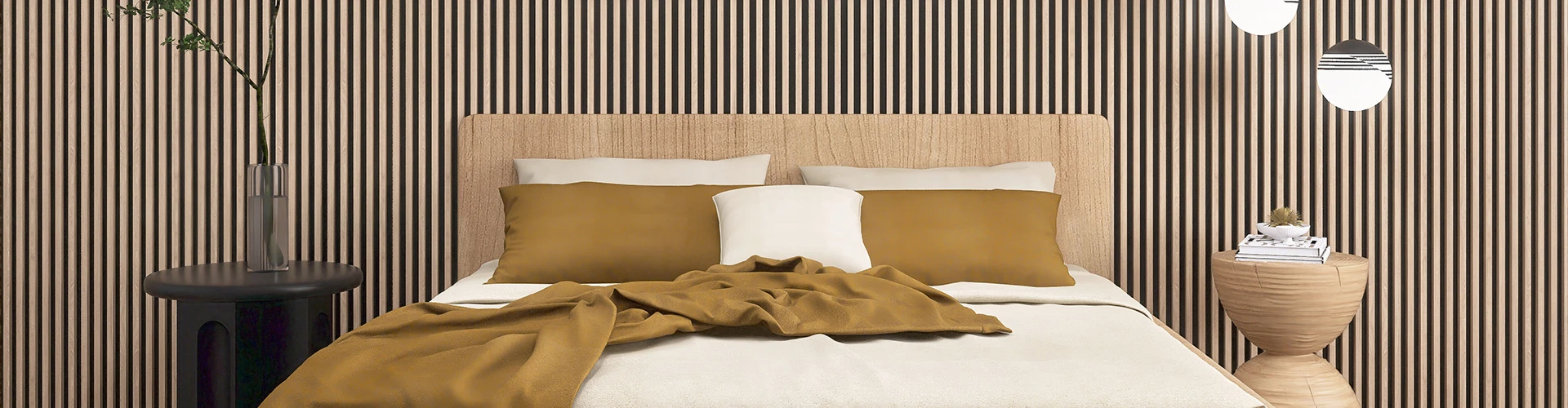
WPC Exterior Wall Cladding | Durable, UV & Water Resistant
WPC Exterior Wall Cladding: Field Notes from Real Installs
If you’ve been scouting materials that survive weather and still look sharp, wpc exterior wall cladding has been having a moment. To be honest, it’s not hype: it’s the pragmatic middle ground between timber warmth and composite durability. I’ve watched architects specify it for rainscreens, retrofit facades, and even small hospitality pods. The “less maintenance, more consistency” pitch is sticking.
What it’s made of (and why that matters)
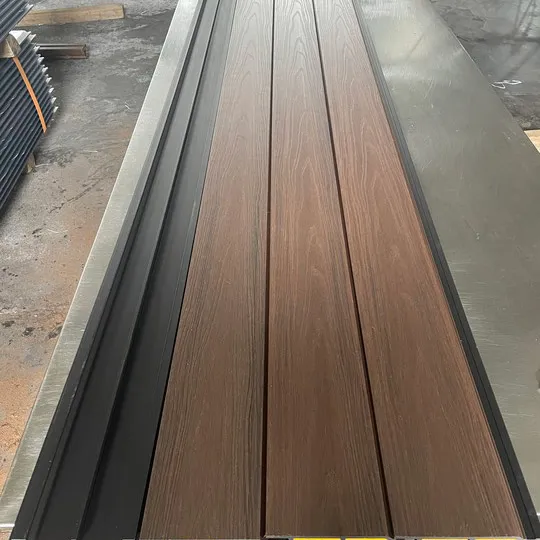
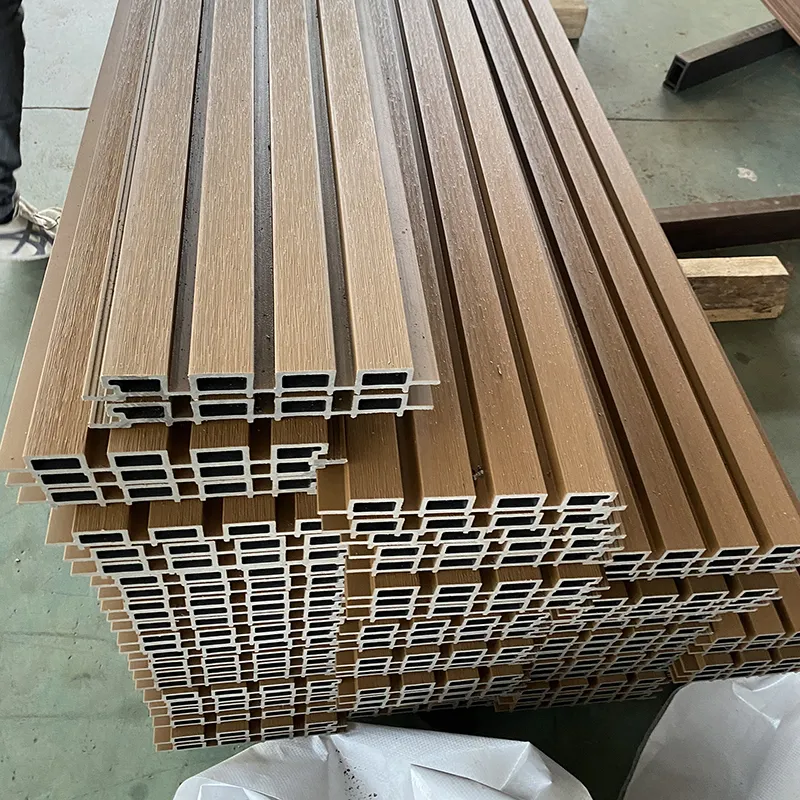
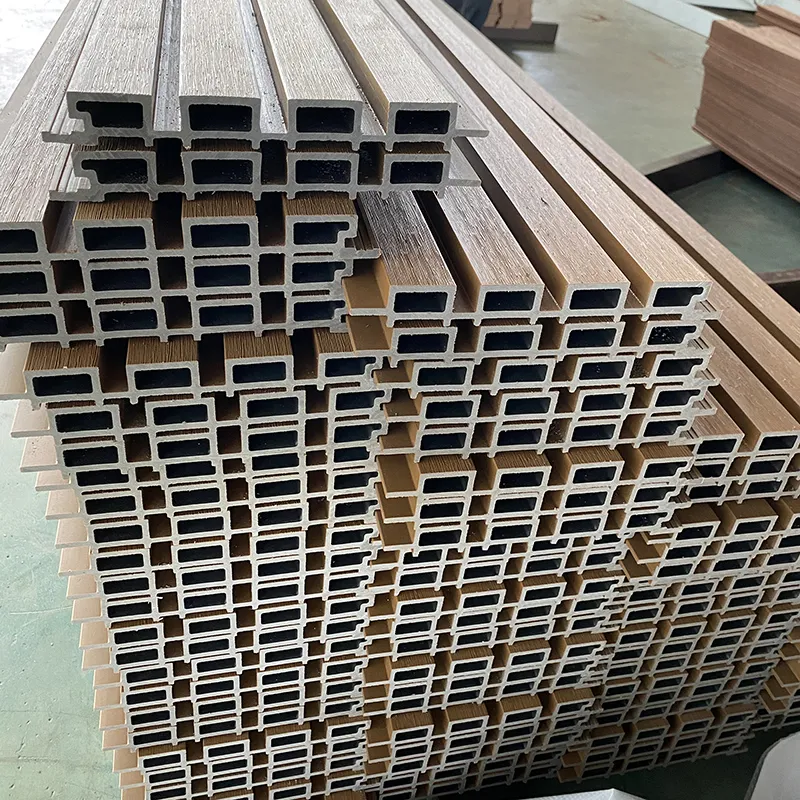
wpc exterior wall cladding blends wood fiber/flour with recycled PE/HDPE, mineral fillers, and stabilizers. Modern boards are often co-extruded—there’s a capped shell that boosts UV, stain, and colorfastness. The better lines use coupling agents for fiber-matrix bonding and UV absorbers to slow fade. Real-world, that means fewer call-backs about warping or chalking.
| Spec | Typical Value (≈; real-world use may vary) |
|---|---|
| Density | ≈1.20–1.35 g/cm³ |
| Water absorption (24 h) | ≤1.2% |
| Coeff. thermal expansion | ≈3.5–5.0×10^-5 /°C |
| UV stability (ΔE) | ΔE ≤4 after 2,000 h (ASTM G154) |
| Fire classification | Up to EN 13501-1 B-s2,d0 (with cap) |
| Board sizes | ≈156–219 mm width; 2.2–4.0 m length |
| Surface | Embossed, brushed, or wood-grain |
| Warranty | 10–25 years (region/UV class) |
Process flow, testing, and service life
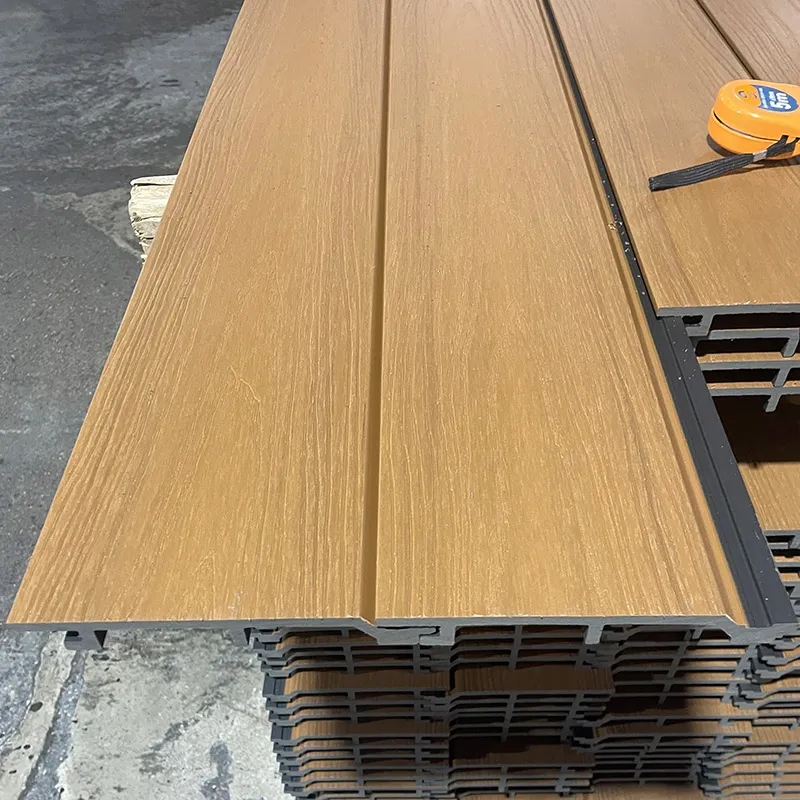
Materials: wood flour, recycled PE/HDPE, mineral fillers, pigments, antioxidants, UV absorbers. Method: twin-screw compounding → co-extrusion with capped shell → embossing → cooling → cutting → QC. Testing typically references EN 15534 (WPC), ASTM D1037 (mechanicals), ASTM G154 or ISO 4892-2 (UV), and EN 13501-1 (fire). With correct subframe, ventilation, and expansion gaps, service life lands around 20–30 years in temperate zones; coastal installs do fine if you specify marine-grade fasteners and a higher UV cap.
Where it works best
- Residential facades and garden rooms; hospitality kiosks; school gyms; retail re-skins; transit shelters. Many customers say the biggest surprise is the stable color—no quarterly staining ritual. Architects like the clean rainscreen shadow lines and hidden clips, I guess because it photographs nicely.
Vendor snapshot (quick comparison)
| Vendor | UV test hours | Cap thickness | Fire class | Warranty | Lead time |
|---|---|---|---|---|---|
| Sothink Decor | ≈2,000–3,000 h (ASTM G154) | ≈0.4–0.6 mm | B-s2,d0 (option) | 15–25 yrs | 15–30 days |
| Vendor A | ≈1,500–2,000 h | ≈0.3–0.4 mm | C-s3,d0 | 10–15 yrs | 20–40 days |
| Vendor B | ≈3,000 h | ≈0.6 mm | B-s2,d0 | 20 yrs | 25–35 days |
Numbers are indicative; project specifics and local codes still rule.
Customization and install notes
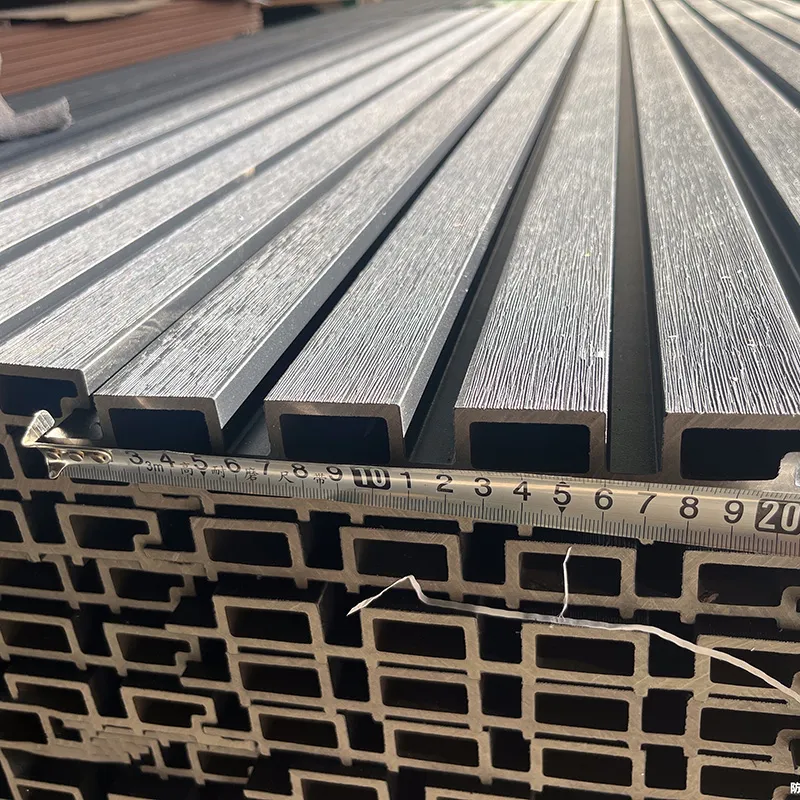
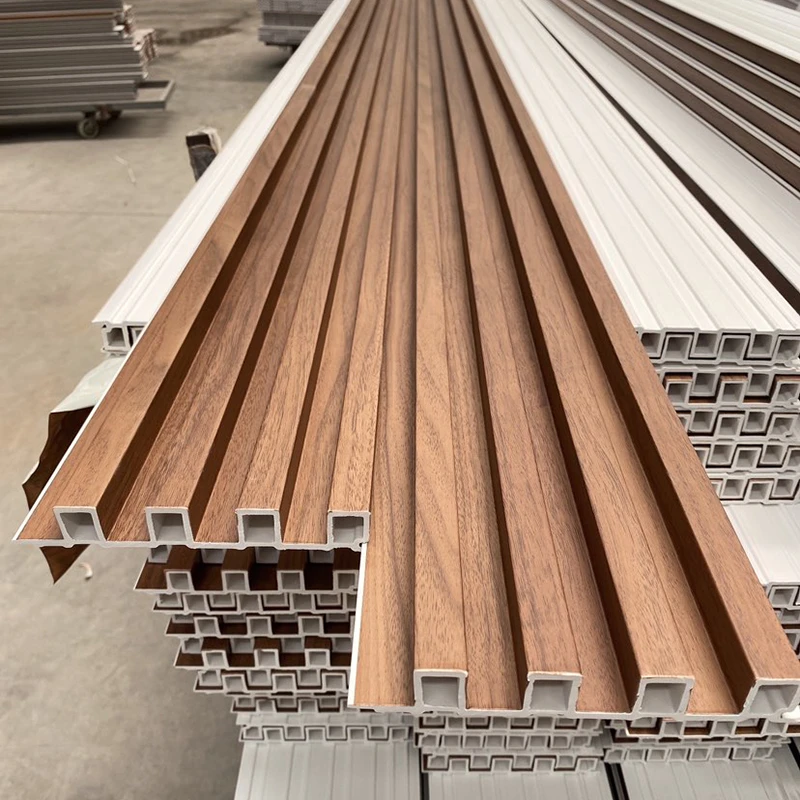
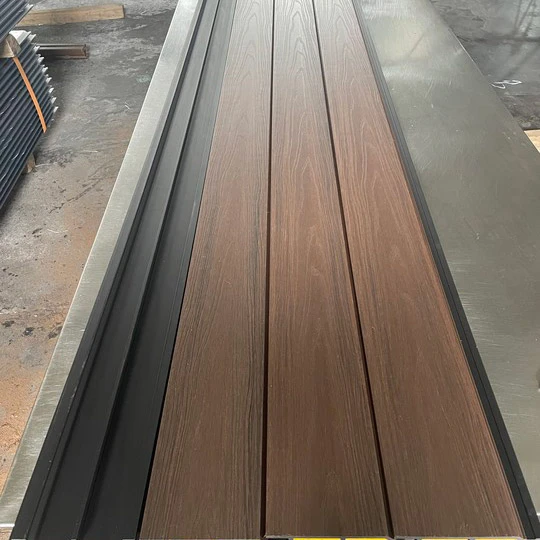
Profiles: shiplap, open-joint, slat. Finishes: deep emboss, matte brush, multi-tone. Colors: teak, walnut, charcoal, desert sand—surprisingly convincing. Accessories: hidden clips, start/finish trims, inside/outside corners, ventilated base. Subframe: aluminum T-keels or treated timber battens with 20 mm ventilation cavity. Expansion gaps per manufacturer’s CTE and site temperature—don’t skip this. Certifications you’ll want in the folder: EN 15534 test data, EN 13501-1 fire report, UV aging (ASTM G154/ISO 4892-2), and FSC/PEFC chain-of-custody if sustainability is in scope.
Field notes and mini case studies
- Coastal villa (open-joint slats): after 18 months, fade ΔE hovered around 3–4; no fastener corrosion with 316 SS. Owners liked the low-maint vibe.
- City café retrofit: brushed charcoal boards hid scuffs; the manager told me cleaning became a hose-and-go ritual.
- School gym: noise improved slightly with battened cavity; maintenance staff appreciated the scuff resistance.
Origin and logistics: Sothink Decor, Room 709, Gelan Business Building, Xisanzhuang Street, Shijiazhuang City, Hebei Province, China. Most orders ship in curated packs with mixed lengths to reduce offcuts—small thing, but contractors mention it.
Bottom line: if you need a rainscreen look with predictable maintenance, wpc exterior wall cladding is a safe bet. Just match the profile to the ventilation strategy and lock in the fire class early with your AHJ.
References
- EN 15534-1:2014 Composites made from cellulose-based materials and thermoplastics
- ASTM D1037 Standard Test Methods for Evaluating Properties of Wood-Base Fiber and Particle Panel Materials
- ASTM G154 Standard Practice for UV Exposure of Nonmetallic Materials
- EN 13501-1 Fire classification of construction products
- FSC Chain-of-Custody Certification (sustainability reference)
-
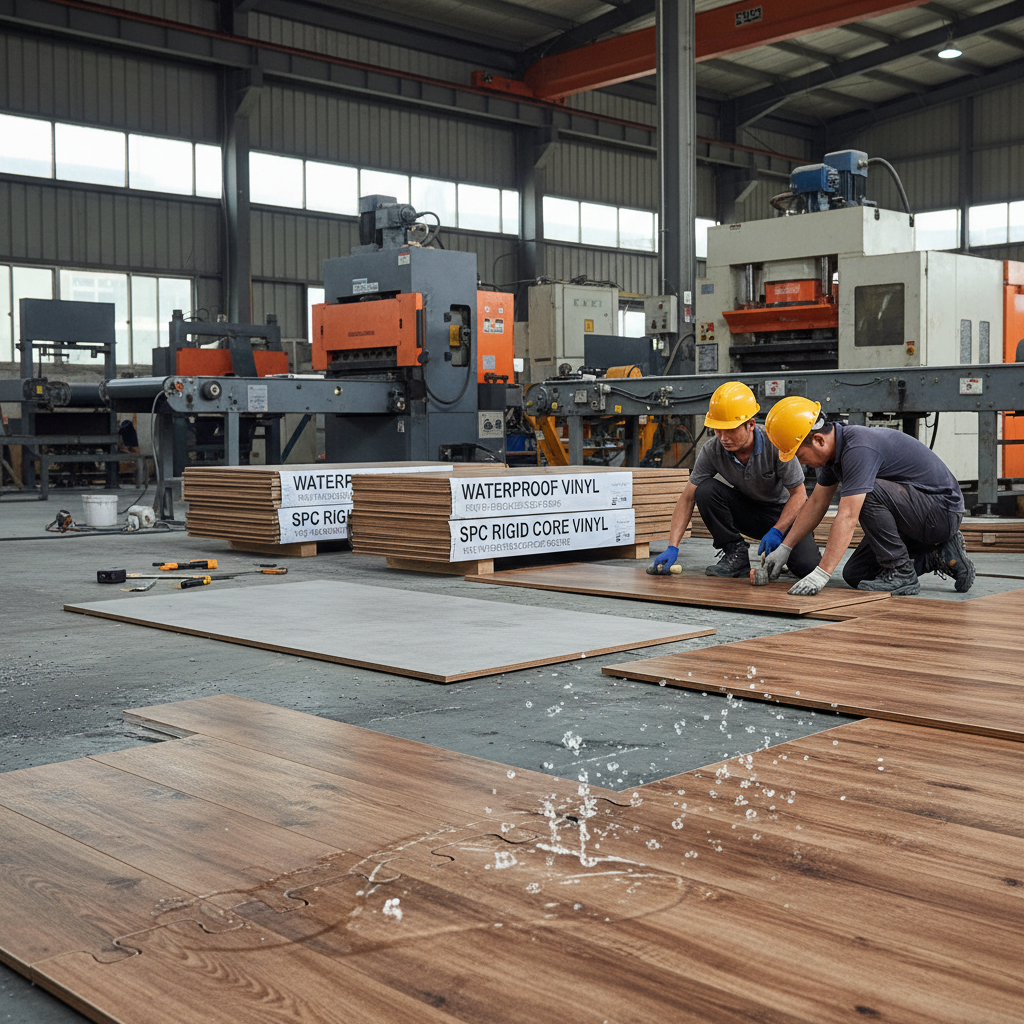 Ultimate Guide to Durable Waterproof SPC Rigid Core Vinyl FlooringChoosing the right flooring for a modern home or commercial space requires a balance between aesthetics and endurance. waterproof spc rigid core vinyl has emerged as a game-changer in the interior design world, offering the timeless look of hardwood with the unmatched resilience of stone polymer composite. Whether you are dealing with high-traffic hallways, moisture-prone bathrooms, or pet-friendly living rooms, this flooring solution provides a stable, waterproof, and scratch-resistant surface. In this comprehensive guide, we will explore why this innovative material is replacing traditional laminate and luxury vinyl planks in contemporary construction.Read More >
Apr 09 2026
-
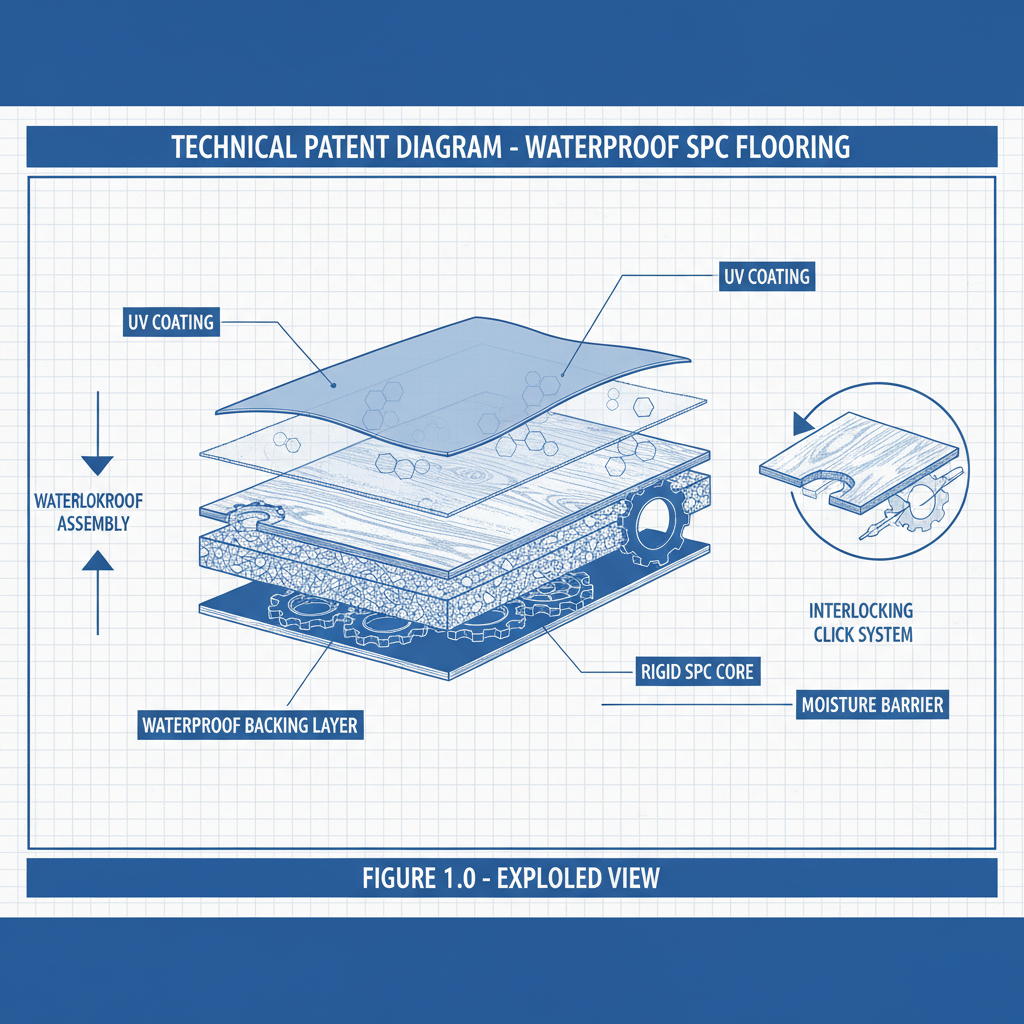 Comprehensive Guide to Waterproof SPC Flooring Durability and InstallationChoosing the right flooring for your home or business is a significant decision. Waterproof SPC flooring has emerged as a popular option due to its durability, affordability, and ease of installation. This article provides an in-depth look at waterproof SPC flooring, covering its benefits, installation process, maintenance, and comparisons with other flooring types. Understanding these aspects will help you determine if SPC flooring is the right choice for your project.Read More >
Apr 07 2026
-
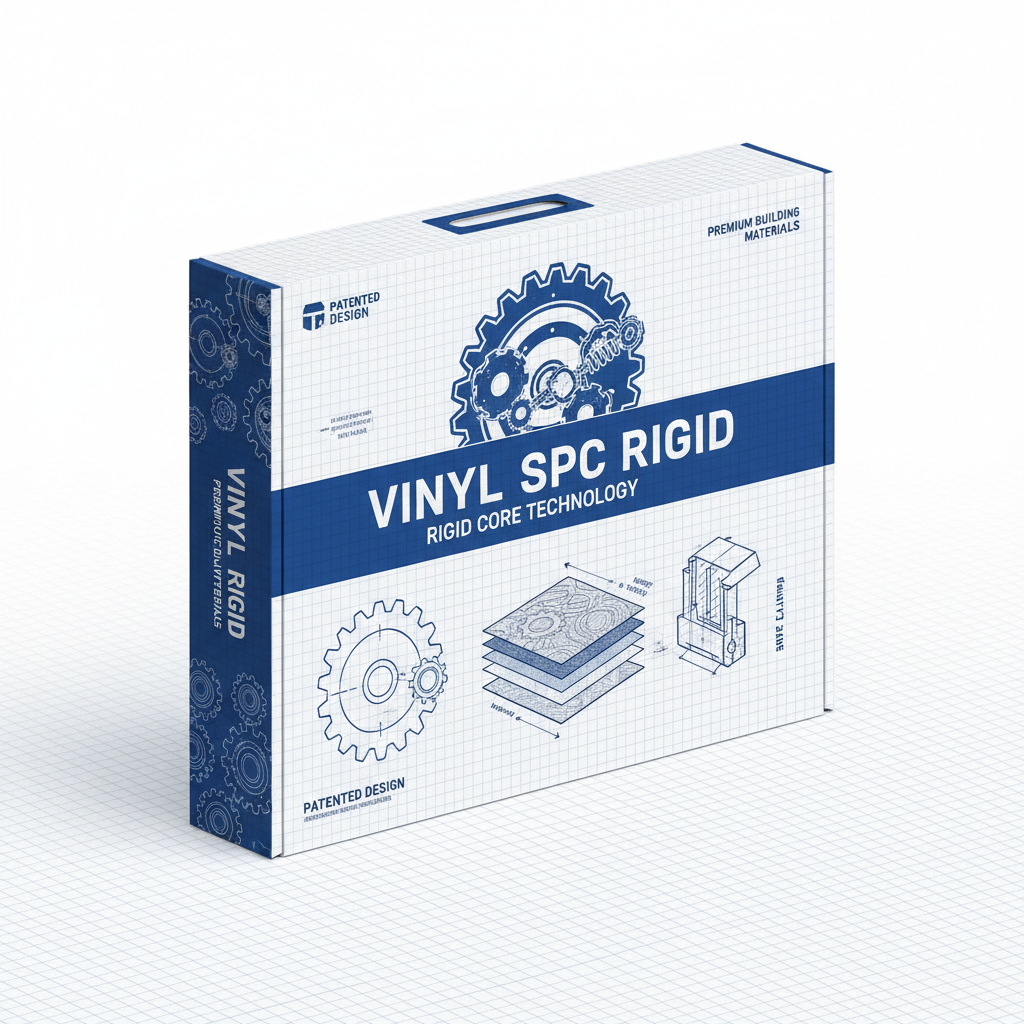 Discover the Durability and Style of Vinyl SPC Rigid Flooring SolutionsLooking for a durable, waterproof, and stylish flooring solution? Vinyl SPC rigid flooring is quickly becoming the go-to choice for homeowners and businesses alike. This article provides a comprehensive overview of this innovative flooring type, covering its benefits, installation, maintenance, and more. We’ll help you determine if SPC rigid vinyl flooring is the right fit for your project.Read More >
Apr 04 2026
-
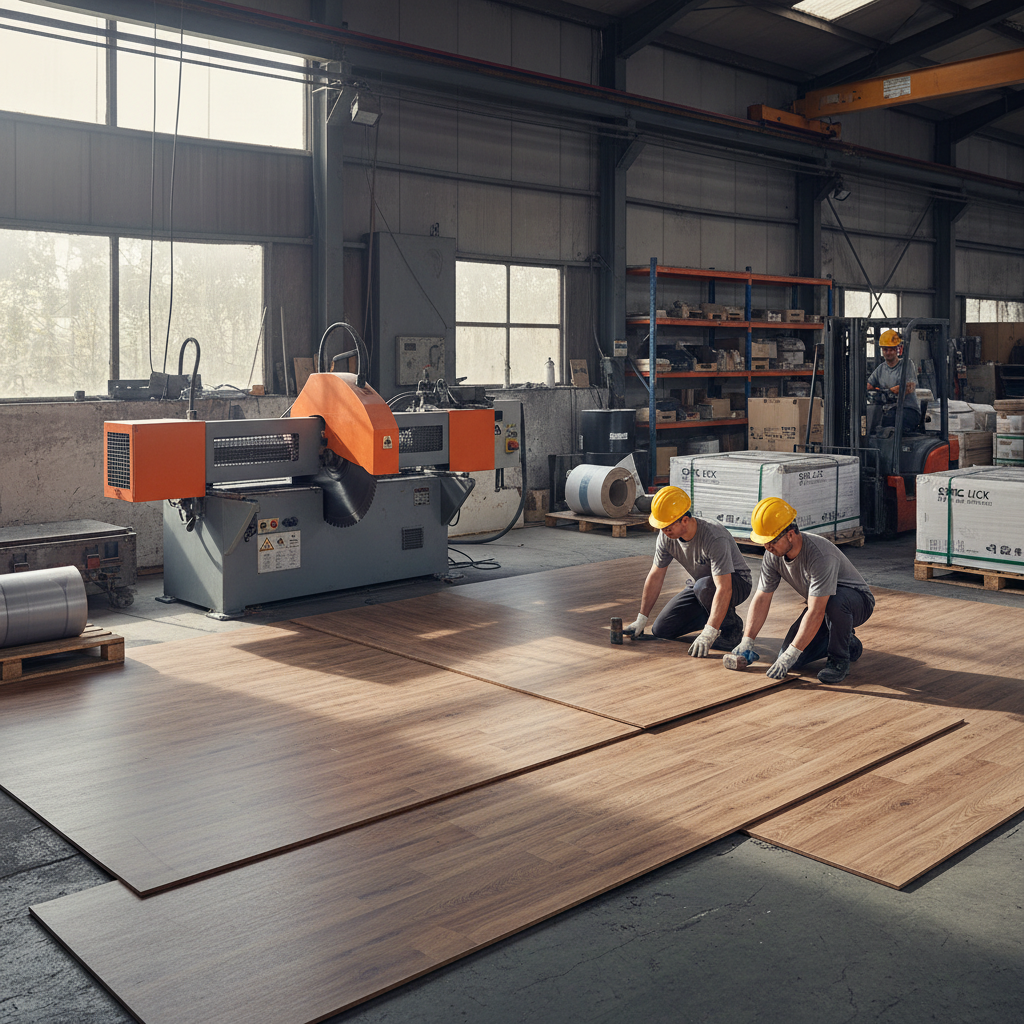 Comprehensive Guide to Durable Vinyl SPC Click Flooring Options and BenefitsChoosing the right flooring for your home or business is a significant decision. Vinyl SPC click flooring has emerged as a popular and durable option, offering a blend of aesthetic appeal and practical benefits. This article will explore the key features, advantages, installation process, and applications of SPC flooring, helping you determine if it's the right choice for your project. From its waterproof nature to its ease of installation, we'll cover everything you need to know.Read More >
Mar 31 2026
-
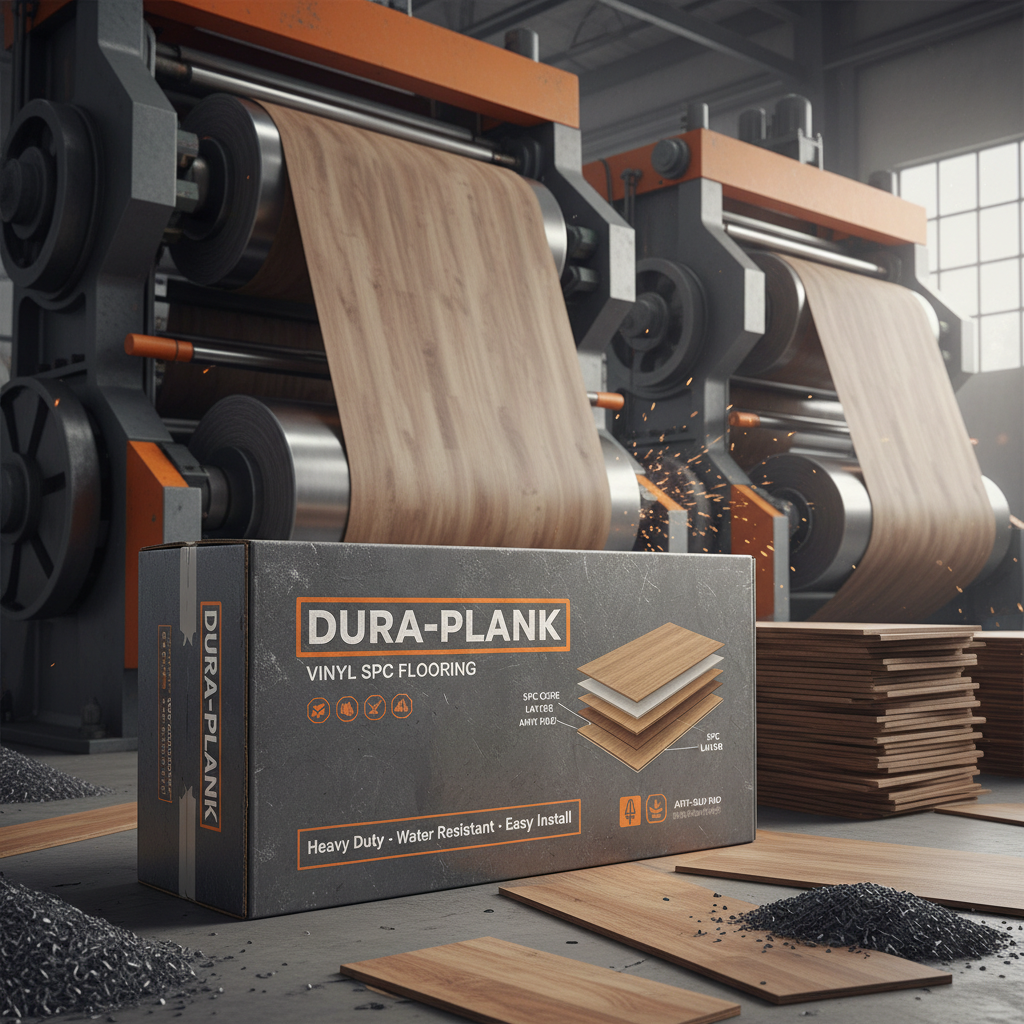 Comprehensive Guide to Durable and Waterproof Vinyl SPC Flooring SolutionsVinyl SPC (Stone Polymer Composite) flooring is rapidly gaining popularity as a durable, waterproof, and aesthetically pleasing flooring option. Ideal for both residential and commercial spaces, it offers a compelling alternative to traditional hardwood, laminate, and tile. This article provides a deep dive into the benefits, installation, maintenance, and potential applications of vinyl SPC flooring, helping you make an informed decision for your flooring needs. We’ll cover everything from understanding the core composition to comparing it with other flooring types.Read More >
Mar 28 2026
 +86 31185293045
  qian@ss711.com

Shijiazhuang Sothink trading Co., LTD.
Our company focuses on product development, production, sales and other all-round services, and is committed to providing customers with high-performance products and high-quality services.