


Selecting the right materials for high-end interior surfaces often involves a complex trade-off between the timeless luxury of natural stone and the practical demands of modern construction. For many designers and contractors, finding reliable marble sheet manufacturers has become a priority to bridge this gap, offering the visual prestige of marble without the prohibitive weight and maintenance of solid slabs.
The shift toward engineered alternatives, specifically PVC marble sheets and WPC panels, reflects a broader industry trend toward efficiency and sustainability. These materials are designed to mimic the intricate veining and polished finish of natural marble while utilizing advanced polymer science to enhance durability and ease of installation.
This guide examines the critical factors in evaluating manufacturers, the technical distinctions between various synthetic marble options, and how to integrate these solutions into commercial and residential projects for maximum ROI.

Understanding the Role of Modern Marble Sheet Manufacturers

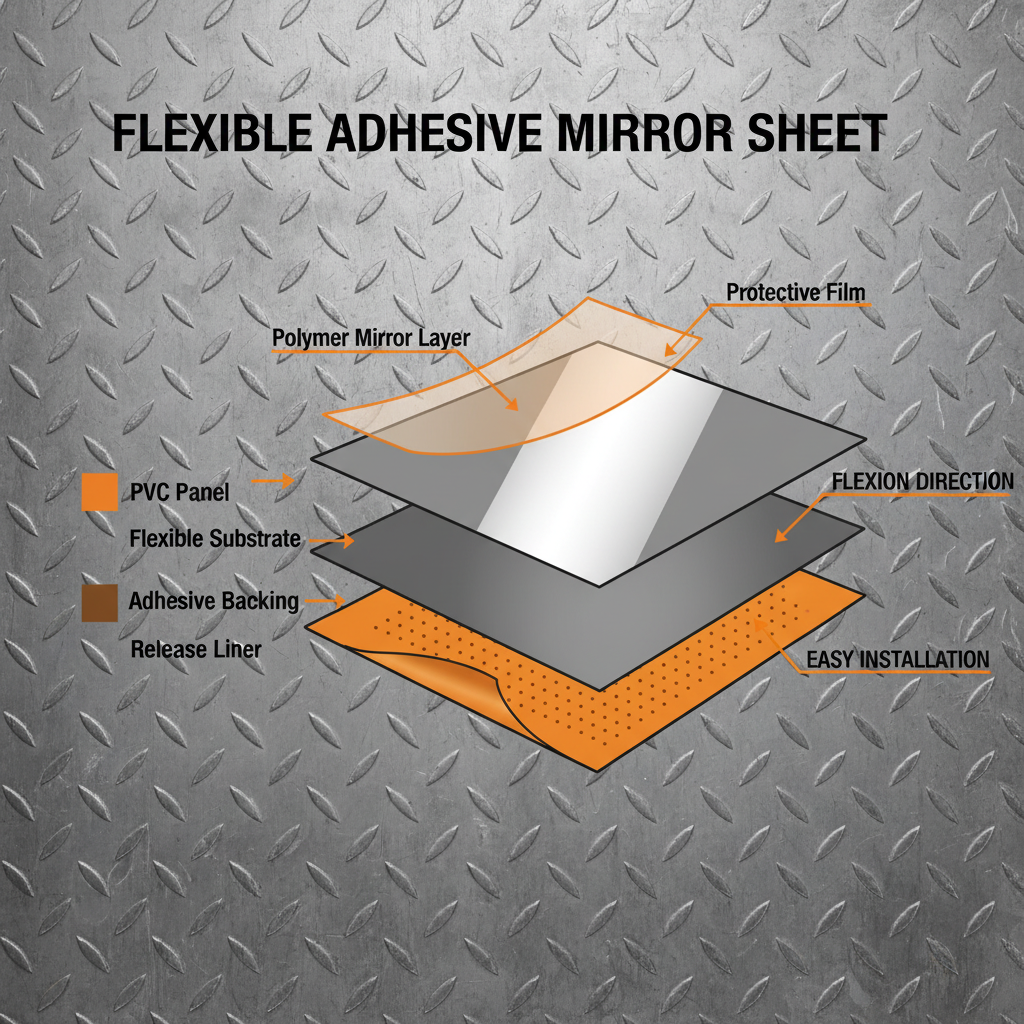
Marble sheet manufacturers today do not simply produce plastic panels; they engineer sophisticated composite materials that solve the structural and financial challenges of traditional stone. By integrating PVC and WPC technologies, these manufacturers provide a lightweight alternative that maintains the aesthetic integrity of premium marble.
For a company like Shijiazhuang Sothink Trading Co., LTD., the focus extends beyond production to the global distribution of high-performance building materials. With over a decade of experience exporting to North America, Europe, and the Middle East, the emphasis is on creating products that meet diverse international standards for fire resistance and durability.
The core challenge addressed by these manufacturers is the "weight-to-beauty" ratio. Traditional marble requires extensive structural reinforcement and specialized labor, whereas engineered sheets allow for rapid deployment in diverse environments, from hotel lobbies to residential kitchens.
Key Technical Advantages of Engineered Marble Surfaces
The technical superiority of engineered marble sheets lies in their composite nature. Unlike natural stone, which is porous and susceptible to staining, PVC marble sheets are non-porous and inherently waterproof, making them ideal for high-moisture areas.
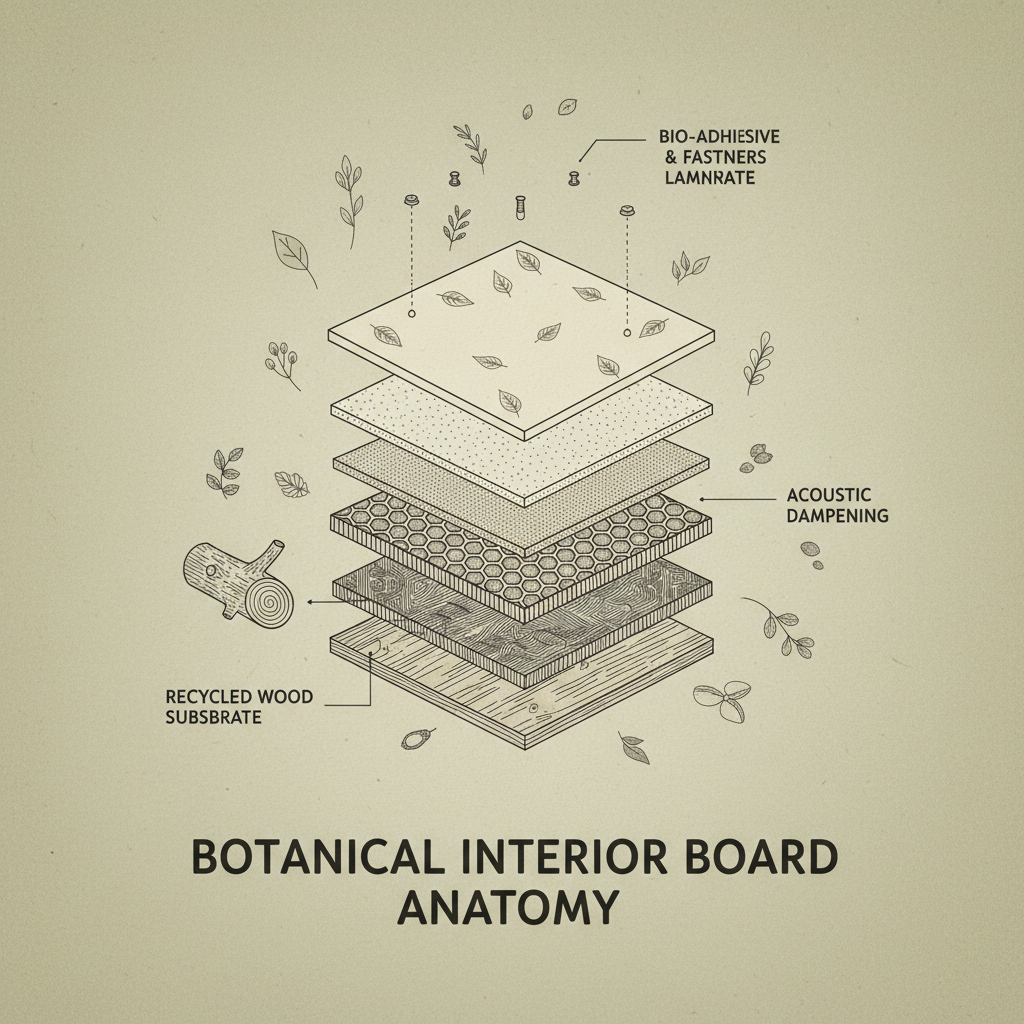
Furthermore, WPC (Wood Plastic Composite) interior panels provide a unique hybrid benefit. They combine the warmth of wood with the resilience of polymers, offering 100% non-toxic and environmentally friendly compositions that are resistant to termites and fire.
From a maintenance perspective, these materials are vastly superior. A simple damp cloth is often sufficient for cleaning, eliminating the need for the expensive sealants and specialized waxes required by authentic marble slabs.
Strategic Application Scenarios for PVC and WPC Panels
The versatility of these materials allows them to be deployed across a wide spectrum of interior environments. In residential settings, PVC marble sheets are frequently used in bathrooms and kitchens where water resistance is non-negotiable.
Commercial offices and hotel corridors benefit significantly from WPC interior wall panels. Their lightweight design reduces the load on the building structure and simplifies the installation process, which drastically lowers labor costs and reduces project timelines.
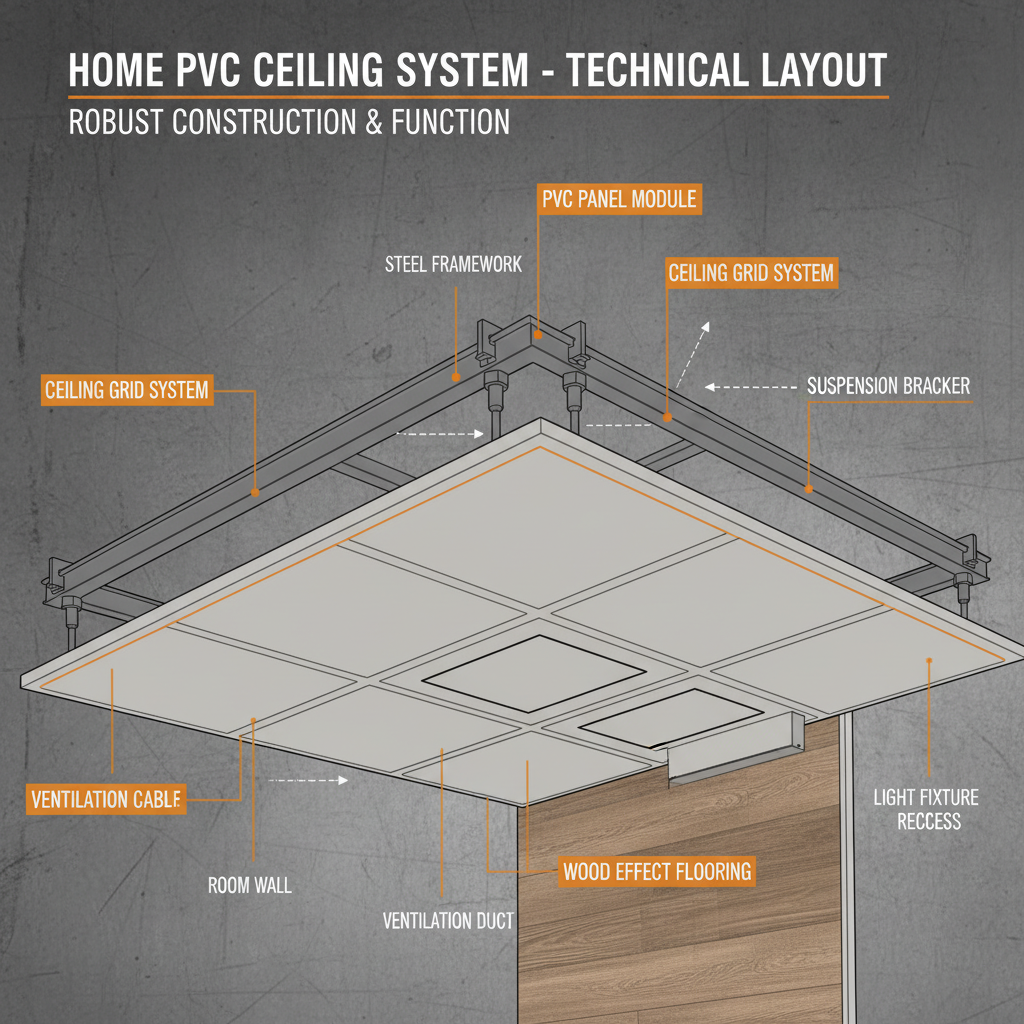
Additionally, these panels are highly effective for ceiling applications and bedroom feature walls. Because they can be freely cut and DIY-installed in various styles, they offer designers a level of flexibility that is impossible to achieve with heavy, brittle natural stone.
Evaluating Performance: Synthetic vs Natural Stone Metrics
When comparing engineered sheets to traditional marble, the performance gap is most evident in installation speed and maintenance requirements. Synthetic solutions consistently outperform natural stone in operational efficiency.
The following data represents industry benchmarks comparing the efficiency and durability of standard installation processes. While natural stone offers unmatched authenticity, engineered sheets optimize for cost-effectiveness and longevity.
marble sheet manufacturers Performance Metrics
As illustrated, the "Installation Efficiency" and "Water Resistance" of synthetic sheets far exceed those of natural marble, which often requires days of curing and sealing. This makes engineered solutions the preferred choice for fast-track commercial renovations.
Procurement Framework for High-Volume Construction Projects
Procuring materials for large-scale projects requires a rigorous evaluation of the manufacturer's capacity and quality control. For B2B buyers, the focus should shift from simple per-unit cost to the Total Cost of Ownership (TCO).
Key procurement indicators include the material's service life—which for high-quality WPC panels often exceeds 20 years—and the variety of textures available to meet architectural specifications. Sothink's diverse portfolio, including SPC flooring and WPC exterior cladding, allows for a unified material sourcing strategy.
Buyers should also verify the manufacturer's export experience. A supplier with a proven track record in multiple continents is more likely to understand the logistical challenges and compliance requirements of different regional building codes.
Future Trends in Sustainable Polymer Wall Cladding
The industry is moving toward "circular economy" principles, where the recyclability of polymers becomes as important as their performance. Future iterations of marble sheets are expected to incorporate more bio-based resins to further reduce the environmental footprint.
We are likely to see an increase in "smart surfaces" that integrate antimicrobial properties or improved thermal insulation directly into the WPC and PVC structures. This will expand their use from purely decorative elements to functional building components.
Furthermore, the adoption of 3D-printing technology in the manufacturing process could allow for bespoke, complex marble textures that are customized for specific architectural landmarks, moving beyond the standard sheet format.
Comparative Selection Guide for Interior Wall Solutions
Choosing the right surface depends on the specific demands of the environment. While PVC marble sheets excel in aesthetics and moisture resistance, WPC panels are superior for structural warmth and ecological certifications.
The table below provides a decision-making framework for architects and procurement officers to select the most appropriate material based on project constraints.
| Material Type | Primary Benefit | Ideal Application | Maintenance Level |
|---|---|---|---|
| PVC Marble Sheet | High-Gloss Luxury | Bathrooms & Kitchens | Very Low |
| WPC Interior Panel | Natural Wood Feel | Bedrooms & Offices | Low |
| SPC Flooring | Extreme Durability | High-Traffic Areas | Low |
| WPC Exterior Cladding | Weather Resistance | Building Facades | Medium |
| Solid Natural Marble | Absolute Authenticity | Luxury Landmarks | High |
| Traditional Wood | Classic Warmth | Residential Living | High |
Ultimately, the decision should be based on the balance between the required visual impact and the operational budget. For most modern commercial projects, the efficiency of engineered sheets provides a superior ROI.
Frequently Asked Questions
Conclusion
The evolution of building materials has moved toward a future where luxury no longer requires structural compromise. By leveraging the expertise of advanced marble sheet manufacturers, developers and homeowners can achieve a high-end aesthetic while benefiting from modern polymer durability and sustainability.
Whether you are planning a full-scale commercial renovation or a residential upgrade, the integration of PVC and WPC solutions offers a scalable, cost-effective path to premium design. For those evaluating these options, detailed product specifications and company capabilities are available through www.sothinkhome.com.


 +86 31185293045
 qian@ss711.com