The world of interior design is constantly evolving, with a growing demand for aesthetically pleasing, durable, and cost-effective ceiling solutions. For ceiling PVC design, the use of Polyvinyl Chloride (PVC) has emerged as a highly versatile and popular choice, offering a wide range of styles and benefits. Understanding the nuances of PVC ceiling designs is crucial for architects, interior designers, and homeowners alike, as it impacts not only the visual appeal but also the longevity and functionality of a space. for ceiling pvc design is becoming a staple in modern construction.
Globally, the construction industry is witnessing a surge in the adoption of PVC materials, driven by factors like urbanization, infrastructure development, and a desire for sustainable building practices. According to data from the UN, the global construction market is projected to reach trillions of dollars in the coming years, with a significant portion allocated to interior finishing materials. PVC ceilings offer a lightweight, easy-to-install, and cost-effective alternative to traditional materials like wood or plaster, making them particularly appealing in emerging economies.
The rise of PVC ceiling solutions addresses several challenges faced by the construction sector. These include the need for materials that are resistant to moisture, fire, and pests, as well as those that require minimal maintenance. The versatility of PVC allows for a wide range of design possibilities, from simple, clean lines to intricate patterns and textures, catering to diverse aesthetic preferences and functional requirements.
The Significance of for ceiling pvc design
For ceiling PVC design is crucial in modern architecture because it offers a practical blend of affordability, aesthetics, and functionality. It’s a go-to solution for residential, commercial, and industrial projects, improving interior spaces with its versatility. The impact of proper for ceiling pvc design extends beyond visual appeal, enhancing the overall comfort and performance of buildings.
Selecting the right PVC ceiling design requires careful consideration of factors like room size, lighting, and overall design scheme. A well-executed design can elevate a space, creating a more inviting and comfortable atmosphere. With a wide array of colors, textures, and patterns available, PVC ceilings offer limitless possibilities for customization and personalization, ensuring that every project meets unique aesthetic requirements.
Defining for ceiling pvc design
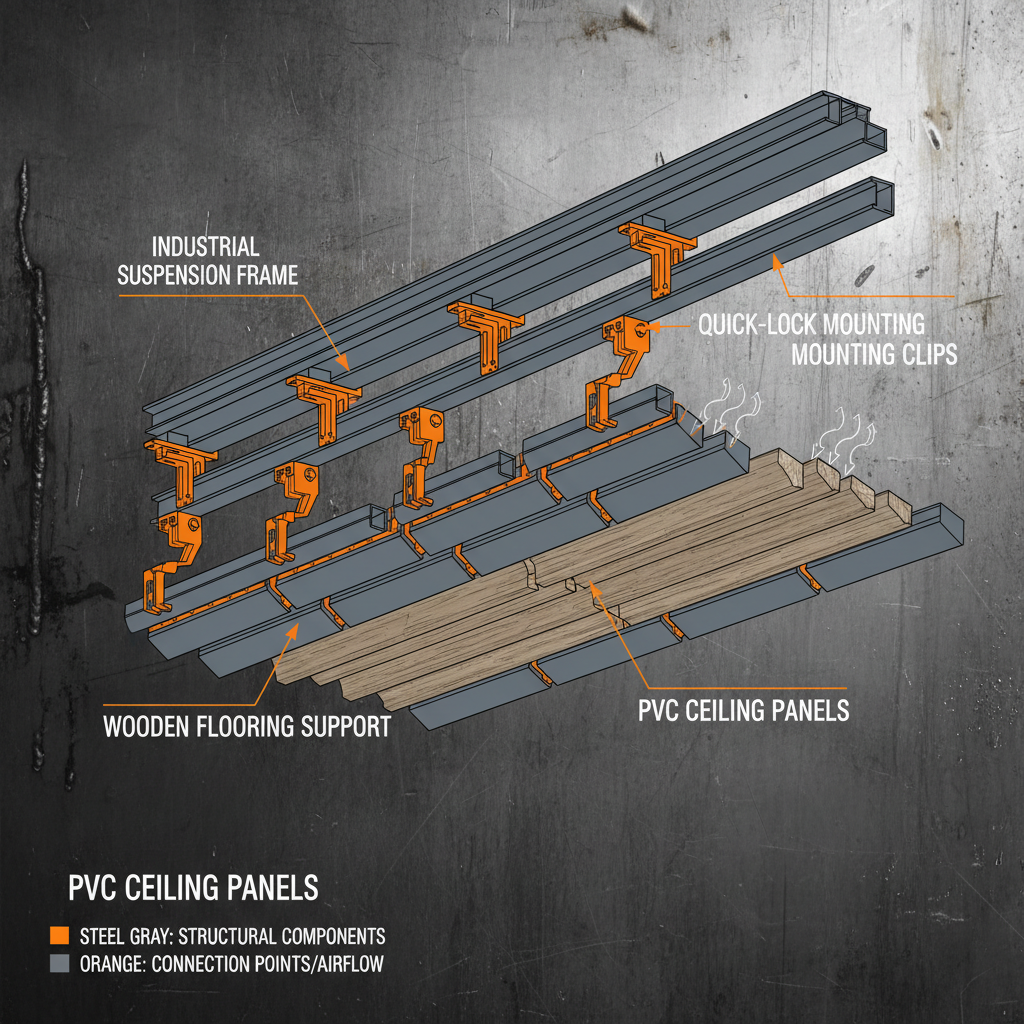
For ceiling PVC design refers to the application of Polyvinyl Chloride (PVC) materials in the construction and finishing of ceilings. PVC is a synthetic plastic polymer known for its durability, versatility, and cost-effectiveness. When used in ceilings, PVC can take various forms, including panels, sheets, strips, and decorative elements. These materials are typically lightweight, easy to install, and require minimal maintenance.
The essence of for ceiling PVC design lies in its ability to mimic the appearance of more expensive materials like wood or plaster while offering superior performance characteristics. PVC ceilings are inherently resistant to moisture, making them ideal for bathrooms, kitchens, and other high-humidity environments. They are also fire-retardant, contributing to enhanced building safety.
The application of for ceiling PVC design directly impacts modern construction by providing a sustainable and efficient solution for interior finishing. It connects to industry needs for faster installation times, reduced labor costs, and improved overall building performance. The continuous innovation in PVC technology further expands the possibilities of aesthetically pleasing and functional ceiling designs.
Core Properties Influencing for ceiling pvc design
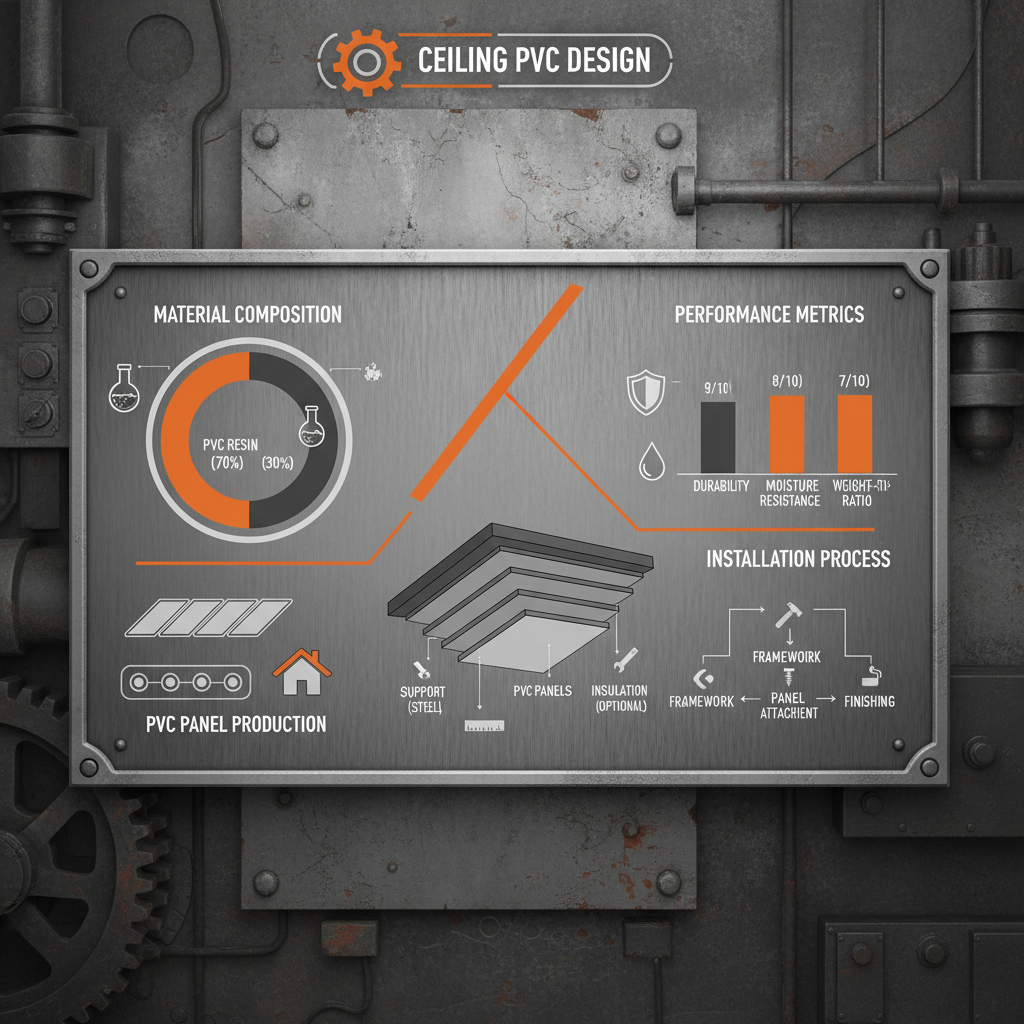
Several key properties influence the performance and aesthetic appeal of for ceiling PVC design. Firstly, its moisture resistance is paramount, preventing water damage and mold growth in humid environments. Secondly, durability ensures long-lasting performance, resisting impact and wear and tear. These elements contribute significantly to the overall value of for ceiling pvc design applications.
Another crucial aspect is fire retardancy, providing a significant safety advantage over traditional materials. PVC ceilings are designed to inhibit the spread of flames, offering valuable time for evacuation in case of a fire. Additionally, thermal insulation properties contribute to energy efficiency by reducing heat loss or gain. Finally, design versatility allows for a wide range of colors, textures, and patterns, catering to diverse aesthetic preferences.
These core properties collectively determine the suitability of PVC ceilings for various applications. Understanding these factors is crucial for architects, designers, and contractors when selecting the optimal solution for specific project requirements. A strong focus on these properties is why it remains a popular choice in for ceiling pvc design.
Key Factors in for ceiling pvc design Applications
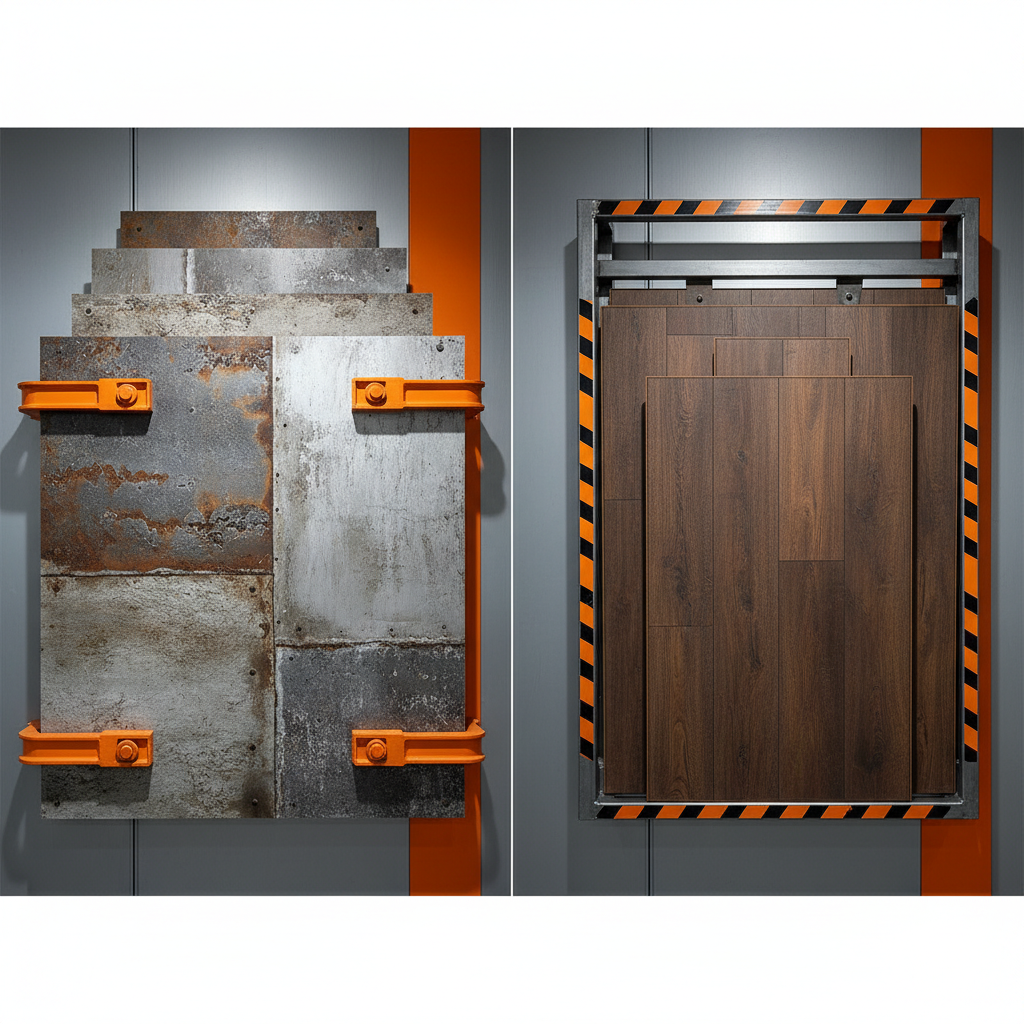
Choosing the right design for ceiling PVC applications involves several key considerations. Aesthetic Preference is vital; matching the design to the overall interior style is crucial. Options range from classic white panels to textured surfaces and even designs mimicking wood grain or marble.
Next, Room Functionality plays a significant role. Bathrooms and kitchens require moisture-resistant designs, while living rooms might prioritize aesthetic appeal. Installation Complexity also impacts selection; some designs are easier to install than others, potentially reducing labor costs.
for ceiling pvc design Performance Comparison
Global Use Cases of for ceiling pvc design
For ceiling PVC design has found widespread applications across various sectors globally. In residential construction, it’s frequently used in bathrooms, kitchens, and basements due to its moisture resistance. Commercial buildings, such as offices, retail spaces, and healthcare facilities, benefit from its durability and ease of maintenance.
The use of for ceiling pvc design extends to industrial settings, where its resistance to chemicals and corrosion is particularly valuable. In regions with high humidity, such as Southeast Asia, PVC ceilings are a preferred choice for both interior and exterior applications. Furthermore, its lightweight nature makes it ideal for renovations and retrofit projects.
Advantages and Value of for ceiling pvc design
The advantages of for ceiling PVC design are numerous. Cost-effectiveness is a major benefit; PVC ceilings are generally more affordable than traditional materials like wood or plaster. Durability ensures long-term value, reducing the need for frequent replacements. Furthermore, its lightweight nature simplifies installation, saving time and labor costs.
Beyond the practical benefits, PVC ceilings offer enhanced aesthetic appeal and design flexibility. A wide range of colors, textures, and patterns allows for customization to match any interior style. Its inherent moisture resistance and fire-retardant properties contribute to improved safety and peace of mind.
The overall value proposition of for ceiling PVC design lies in its ability to deliver a cost-effective, durable, and aesthetically pleasing solution for a wide range of applications. It's a choice that balances practicality, functionality, and design, making it a popular option for both residential and commercial projects.
Future Trends in for ceiling pvc design
The future of for ceiling PVC design is likely to be shaped by several emerging trends. Sustainable PVC formulations, utilizing recycled materials and bio-based polymers, are gaining traction, addressing environmental concerns. Advances in digital printing technology enable more intricate and realistic designs, mimicking natural materials with greater accuracy.
Smart ceiling systems, integrating lighting, sensors, and connectivity features, are also on the horizon. These systems can enhance energy efficiency, improve indoor air quality, and provide real-time data on building performance. Furthermore, the development of self-cleaning PVC coatings will reduce maintenance requirements and extend the lifespan of ceilings.
These innovations demonstrate a commitment to enhancing the functionality, sustainability, and aesthetic appeal of PVC ceiling solutions. for ceiling pvc design will remain a dynamic and evolving field, driven by the ongoing pursuit of better materials and smarter designs.
Analysis of Challenges and Solutions in for ceiling pvc design Applications
| Challenge |
Impact on for ceiling pvc design |
Potential Solution |
Implementation Difficulty (1-5, 1=Easy) |
| Limited UV Resistance |
Fading and discoloration in outdoor applications |
Use of UV stabilizers in PVC formulation |
2 |
| Environmental Concerns |
PVC production can generate harmful emissions |
Employing closed-loop manufacturing processes and recycled content |
4 |
| Installation Skill Requirements |
Improper installation can lead to leaks and structural issues |
Providing comprehensive training and certification programs for installers |
3 |
| Perceived Lower Quality |
Some consumers view PVC as a less premium material |
Showcasing high-end PVC designs and emphasizing durability |
3 |
| Fire Safety Concerns |
Although fire retardant, PVC can still release toxic fumes when burned |
Developing PVC formulations with lower smoke emission |
4 |
| Limited Biodegradability |
PVC is not readily biodegradable, posing waste management challenges |
Investing in PVC recycling infrastructure and exploring biodegradable alternatives |
5 |
FAQS
PVC ceilings offer several advantages over gypsum board. They are significantly more moisture-resistant, making them ideal for bathrooms and kitchens. PVC is also lighter, facilitating easier installation and reducing structural load. Furthermore, PVC ceilings are generally more durable and require less maintenance, offering long-term cost savings. The design options are also comparable, and often, PVC offers more intricate patterns.
Yes, PVC ceiling design is well-suited for high-traffic areas and commercial spaces. Its durability and resistance to impact make it capable of withstanding heavy use. PVC is also easy to clean and maintain, which is essential in commercial environments. The availability of various finishes and textures allows for creating visually appealing and functional spaces for businesses.
Generally, PVC ceilings are more cost-effective than wood or metal ceilings. The material itself is less expensive, and the installation process is often quicker and easier, reducing labor costs. While high-end PVC designs can approach the price of lower-grade wood, the long-term durability and low maintenance of PVC often result in overall cost savings.
PVC is inherently fire-retardant, meaning it doesn't easily ignite or spread flames. However, when burned, PVC can release toxic fumes. It's crucial to choose PVC ceilings that meet relevant fire safety standards and regulations. Proper ventilation and the installation of smoke detectors are also essential safety measures.
PVC production can have environmental impacts, including the release of harmful emissions. However, advancements in manufacturing processes are reducing these impacts. Choosing PVC ceilings made from recycled materials or employing closed-loop manufacturing practices can minimize environmental concerns. Proper disposal and recycling of PVC waste are also crucial.
PVC ceilings are relatively easy to install, particularly compared to traditional materials. The lightweight nature of PVC simplifies handling and reduces the need for heavy-duty tools. However, proper cutting, fitting, and fastening techniques are essential for a professional-looking result. Basic carpentry skills and the use of appropriate tools, such as a utility knife, measuring tape, and adhesive, are generally sufficient.
Conclusion
In conclusion, for ceiling PVC design represents a compelling solution for modern construction and interior design. Its blend of affordability, durability, aesthetic versatility, and ease of installation makes it a practical choice for a wide range of applications. From residential homes to commercial spaces and industrial facilities, PVC ceilings offer a cost-effective and high-performing alternative to traditional materials.
Looking ahead, the future of for ceiling PVC design is poised for continued innovation, with a growing emphasis on sustainability and smart technologies. By embracing recycled materials, developing eco-friendly formulations, and integrating advanced functionalities, PVC ceilings will play an increasingly important role in creating comfortable, efficient, and aesthetically pleasing spaces. Visit our website at for ceiling pvc design to explore our comprehensive range of PVC ceiling solutions and discover how we can help you elevate your projects.










 +86 31185293045
  qian@ss711.com